Plastic Was 'Inert,' But New Research Reveals Surprising Health Risk

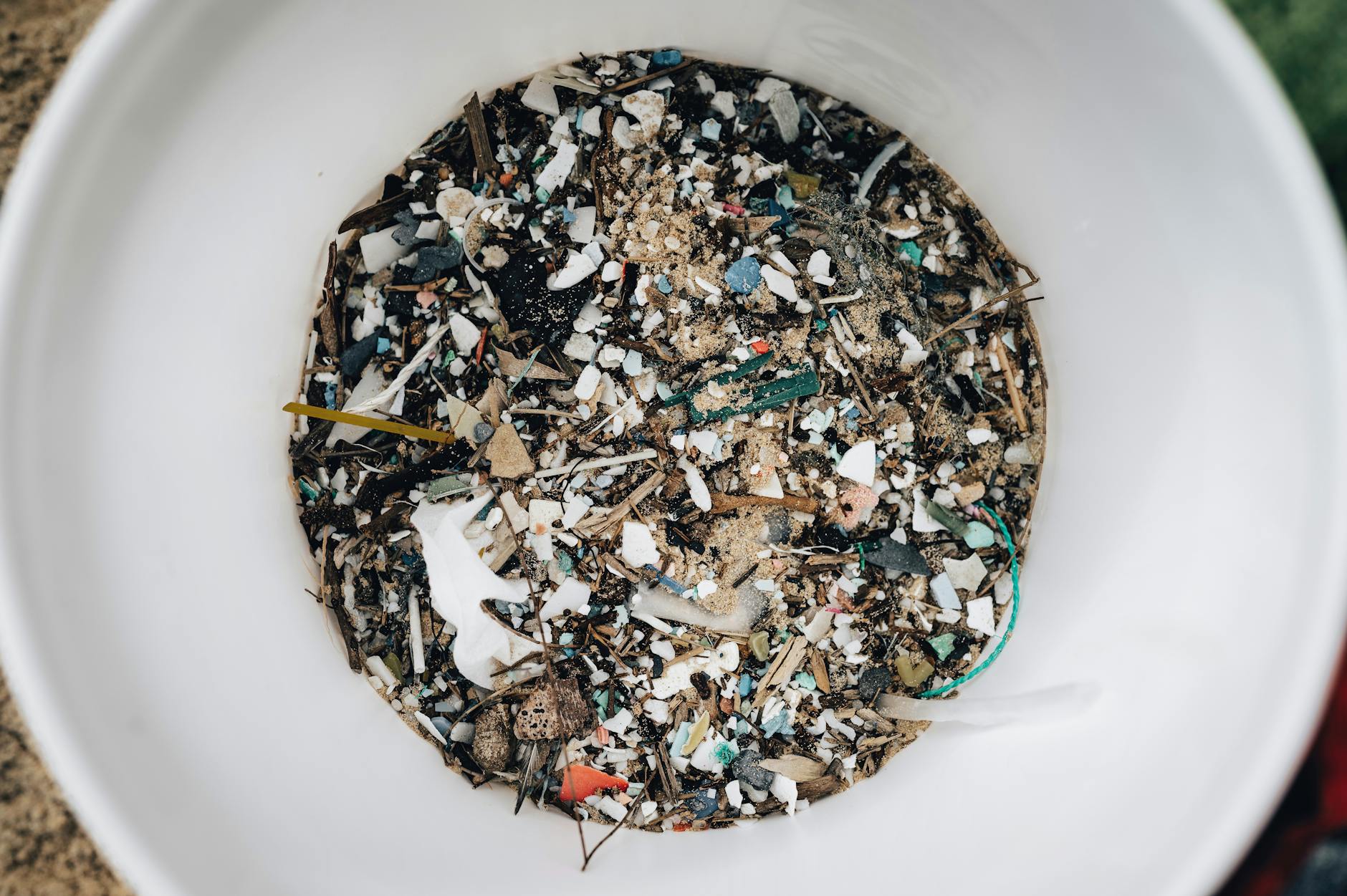
For decades, plastics were largely considered inert, meaning they didn't readily react with the human body. However, a recent study published in the journal Nature challenges this view, revealing that microplastics can act as catalysts to create unstable molecules called free radicals when in contact with water. These free radicals are directly linked to inflammation and various diseases. This groundbreaking research underscores the urgent need to reconsider our understanding of plastic's biological activity and its profound implications for environmental and human health.
The long-held belief that plastics are chemically inert is being overturned, especially concerning microplastics. Unlike larger plastic pieces, microplastics possess an extensive surface area relative to their volume, creating ideal conditions for chemical reactions. The recent Nature study found that when microplastics interact with water, they generate free radicals—unstable molecules known to cause inflammation and disease in the body.
Dr. Leonardo Trasande, director of the NYU Center for the Investigation of Environmental Hazards, emphasizes that this research shows microplastics are not inert but rather "biologically active." This inflammation is a critical factor in numerous health conditions, notably cardiovascular disease. Previous studies have already linked microplastic concentrations in arteries to a significantly increased risk of heart attack, stroke, and death. This new finding provides a crucial mechanism explaining *why* these tiny particles are so harmful.
The health implications extend beyond cardiovascular issues. Oxidative stress and inflammation are common threads in many conditions, including hormone disruption and immune dysfunction. While diet and physical activity remain vital, environmental exposures like microplastics are increasingly recognized as a significant third pillar impacting our health, demonstrating the urgent need for environmental action.
Reducing exposure to microplastics is possible through conscious choices. Simple steps include opting for glass and stainless steel containers, avoiding microwaving or machine dishwashing plastics, and prioritizing fresh fruits and vegetables. Consumer activism has historically driven significant change, like the eventual ban of BPA in baby bottles, proving the powerful role individuals play in driving sustainable solutions.
On a larger scale, while the United States is a major plastic producer, there are ongoing efforts to boost research into microplastic effects and advance regulatory actions. The economic toll of plastic chemicals on the U.S. economy is substantial, costing an estimated $250 billion annually in disease burden. This highlights the critical need for both individual actions and strong public policy to reduce plastic exposure and foster a healthier, more sustainable future.