Plastics: What companies knew about tiny particles in your body

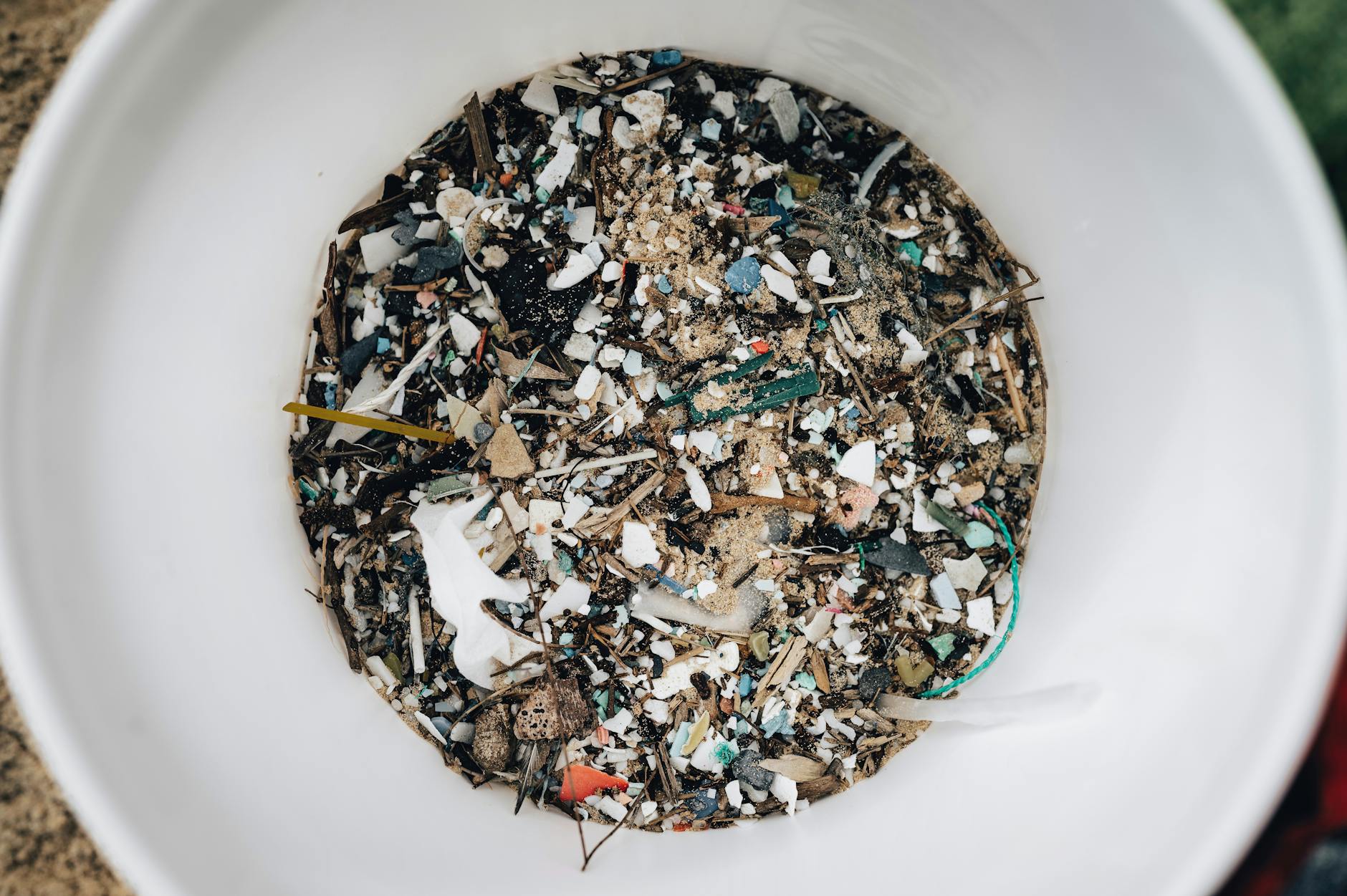
For decades, chemical and plastics industry executives were aware that microscopic plastic particles could enter and accumulate in human organs. Internal company documents, recently uncovered, reveal concerns dating back to 1974, a full fifty years before modern science widely confirmed these findings. This revelation highlights a significant gap between corporate knowledge and public awareness regarding the pervasive issue of microplastic pollution and its potential health impacts. As microplastics are now linked to serious health conditions, the urgency for sustainable solutions has never been clearer.
While today's scientists are just beginning to fully grasp the harm caused by microplastics we ingest and inhale, newly discovered documents show industry experts understood the risks long ago. These internal papers, dating back to 1974, reveal that company scientists were concerned about tiny plastic bits moving beyond the gut to lodge in vital organs.
The alarm was first sounded at a scientific meeting where German researcher Gerhard Volkheimer presented groundbreaking work. He showed that swallowed particles, including PVC plastic, could pass through the intestinal lining into the blood, lymph, brain, liver, and other body parts in animals. Modern research confirms this process applies to common plastics like polyethylene and PET, the very particles now found in human bodies and linked to heart disease, inflammation, and cancer. The original internal memos, now made public through archives like the UC San Francisco Industry Documents Library and ToxicDocs, echo these worries from half a century ago.
Despite this early knowledge, companies often downplayed the risks. One executive even called Volkheimer's research a "horror story." While public health officials at the time focused on immediate dangers like vinyl chloride-linked cancers, Volkheimer's broader findings on particle absorption were largely overlooked outside of the pharmaceutical industry, which used it to understand drug delivery. This oversight meant decades passed without widespread public awareness or action on what would become a global environmental crisis.
Today, microplastics are ubiquitous, found everywhere from our drinking water to human placentas and brains. While industry trade groups like the American Chemistry Council maintain that more research is needed to prove harm from "real-world exposure," the sheer scale of plastic pollution and its infiltration into living systems underscores a critical need for change. We are facing the consequences of abundant plastic use that experts knew, or had strong reason to suspect, could pose long-term risks. Addressing this challenge requires immediate, collective action to reduce plastic production and embrace more sustainable alternatives.
California has already mandated testing for microplastics in drinking water, and federal agencies are starting to follow suit. This shift highlights the growing recognition of microplastics as a pressing health and environmental concern. The continued reliance on single-use plastics and the resultant environmental burden emphasize the urgent need to transition towards cleaner, more sustainable material solutions that protect both planetary and human health.