Plug-in solar: A simple clean energy solution is expanding.

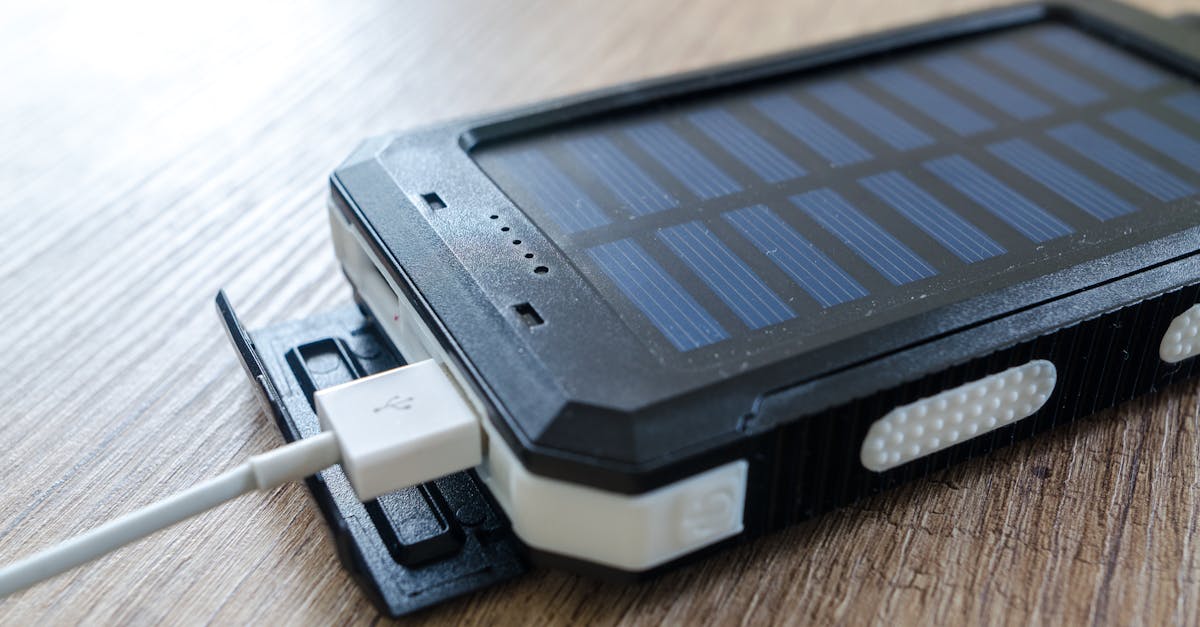
Imagine powering your home with solar panels as easily as plugging in a new appliance. This is becoming a reality in a growing number of U.S. states thanks to plug-in solar systems. These innovative setups connect directly to a standard outlet, feeding clean electricity into your home. This simple, accessible approach to solar energy is a game-changer for renters and those with shaded rooftops, offering a straightforward way to cut utility bills by hundreds annually and accelerate our shift towards sustainable living.
For years, rooftop solar was the main option for homeowners looking to generate their own clean electricity. But for many, especially renters or those with tricky roof setups, it simply wasn't feasible. Now, a simpler solution is emerging: plug-in solar panels.
These small systems, typically just two or three panels, are designed for ease of use. You can place them on a porch or balcony and plug them into a normal wall outlet, instantly reducing your reliance on traditional grid power. This not only helps lower your energy bills significantly but also directly contributes to a cleaner environment by reducing demand for fossil fuels.
The push for clean energy and climate action has spurred policy changes. While plug-in solar has been uncommon due to a lack of regulatory frameworks, this is rapidly changing. More than eight states have already passed policies to permit and regulate these systems, with more states considering similar bills. This means that soon, even more people will have the power to generate their own clean energy at home, accelerating our collective progress toward a sustainable future and combating global warming one plug-in panel at a time.
This trend underscores the importance of making sustainable solutions accessible to everyone. Every watt of clean energy generated at home reduces our carbon footprint and moves us closer to a resilient, electrified energy system. It highlights how straightforward actions, backed by smart policy, can have a significant environmental impact.