Point Reyes: Why California's Coastal Battle Isn't Over Yet

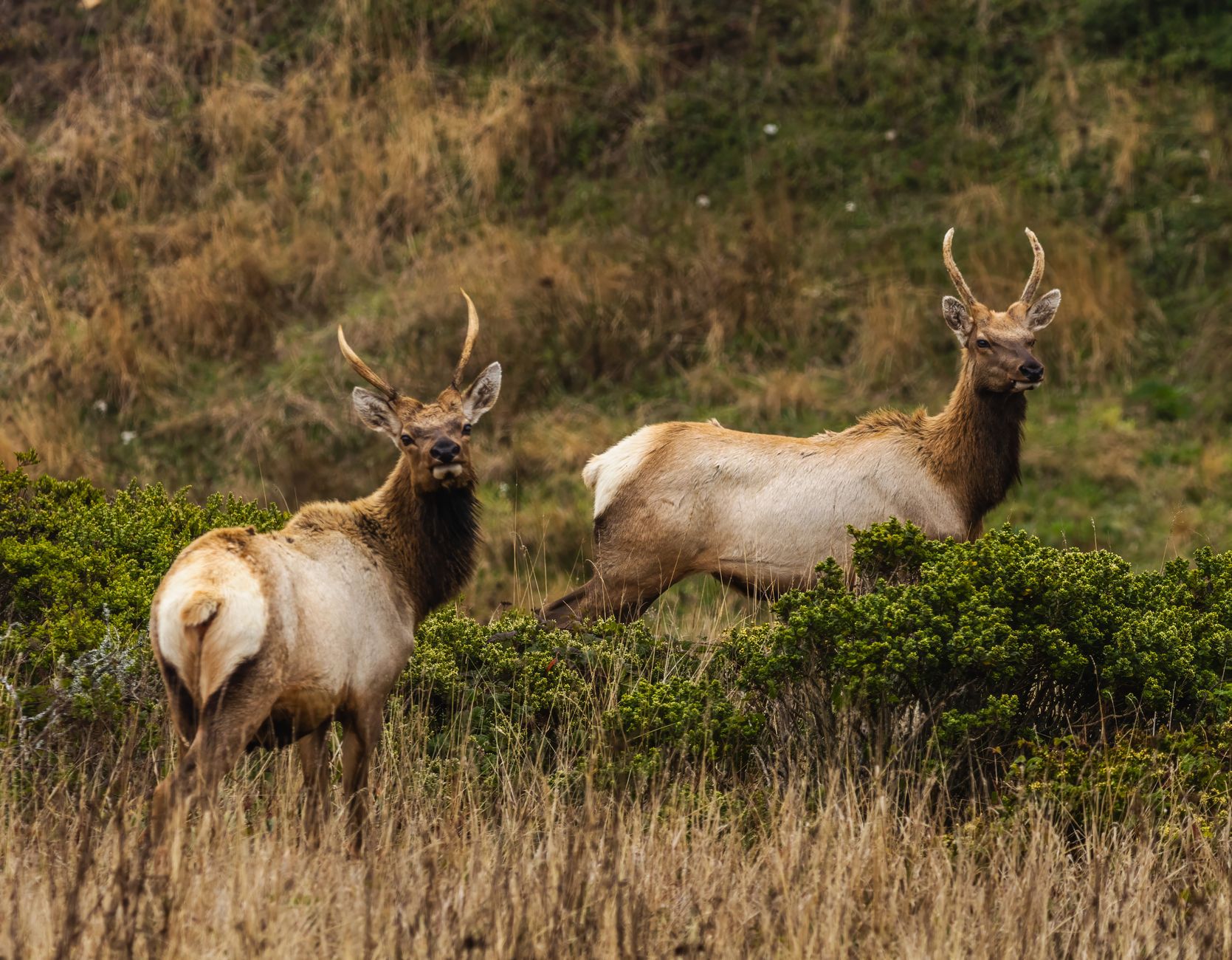
Point Reyes National Seashore has been the center of a decades-long conflict between environmentalists and long-standing ranching families. This scenic California peninsula, rich in wildlife like elephant seals and tule elk, has also hosted agriculture since the 1800s. A 2025 settlement aimed to prioritize natural landscapes, leading most ranchers to leave for conservation efforts. However, two remaining families have now sued to overturn this deal, reigniting the bitter dispute over the land's future and its precious ecosystem. The struggle highlights the urgent need to balance human activities with environmental protection in vital natural spaces.
The Point Reyes National Seashore, a stunning stretch of California coastline known for its diverse wildlife and dramatic landscapes, is once again at the heart of a heated debate. For nearly 60 years, this 110-square-mile peninsula, just north of San Francisco, has seen environmental advocates clash with ranchers over its purpose and preservation. While the area is home to magnificent animals such as tule elk, elephant seals, and various marine life, it also has a long history of agriculture.
Environmental groups argue that commercial ranching degrades the delicate ecosystem, citing issues like manure pollution, soil erosion, and harm to native wildlife, including the iconic tule elk, whose populations have suffered. They believe a national park should prioritize its natural state and welcome visitors who come to enjoy its pristine beaches, forests, and grasslands.
Conversely, ranching families, some with generations of history on the land, maintain that their sustainable practices are part of the seashore's heritage and original establishment. These are often beef ranchers and dairy operators who advocate for sustainable and organic food and land practices. They see themselves as stewards of the land, providing organic food while preventing development. This complex dispute often pits liberals against other liberals, creating an unusual political dynamic.
A significant development occurred in January 2025 when a settlement was announced with the National Park Service. This agreement aimed to put natural landscapes and wildlife first, with eleven of thirteen historic ranching families agreeing to leave and be compensated. The vacated 17,000 acres were earmarked for conservation and ecological restoration, a vital step towards safeguarding the seashore's future.
However, the battle flared anew this year when two remaining ranching families, the Evanses and the Nimans, filed a lawsuit to reverse the settlement. They argue the park's founding vision included agriculture and that their farming methods are harmonious with nature. Their legal challenge has garnered attention from a new administration, which appears to favor increasing cattle grazing on public lands. This latest twist underscores the ongoing tension between preserving our wild spaces and the economic pressures of traditional land use. The outcome will shape not only Point Reyes but also set a precedent for managing other cherished national lands. Protecting places like Point Reyes is crucial for maintaining biodiversity and ensuring future generations can experience the beauty of an untouched environment.