Polar Ice Lost: 11.3 Trillion Tons Gone, What It Means For You

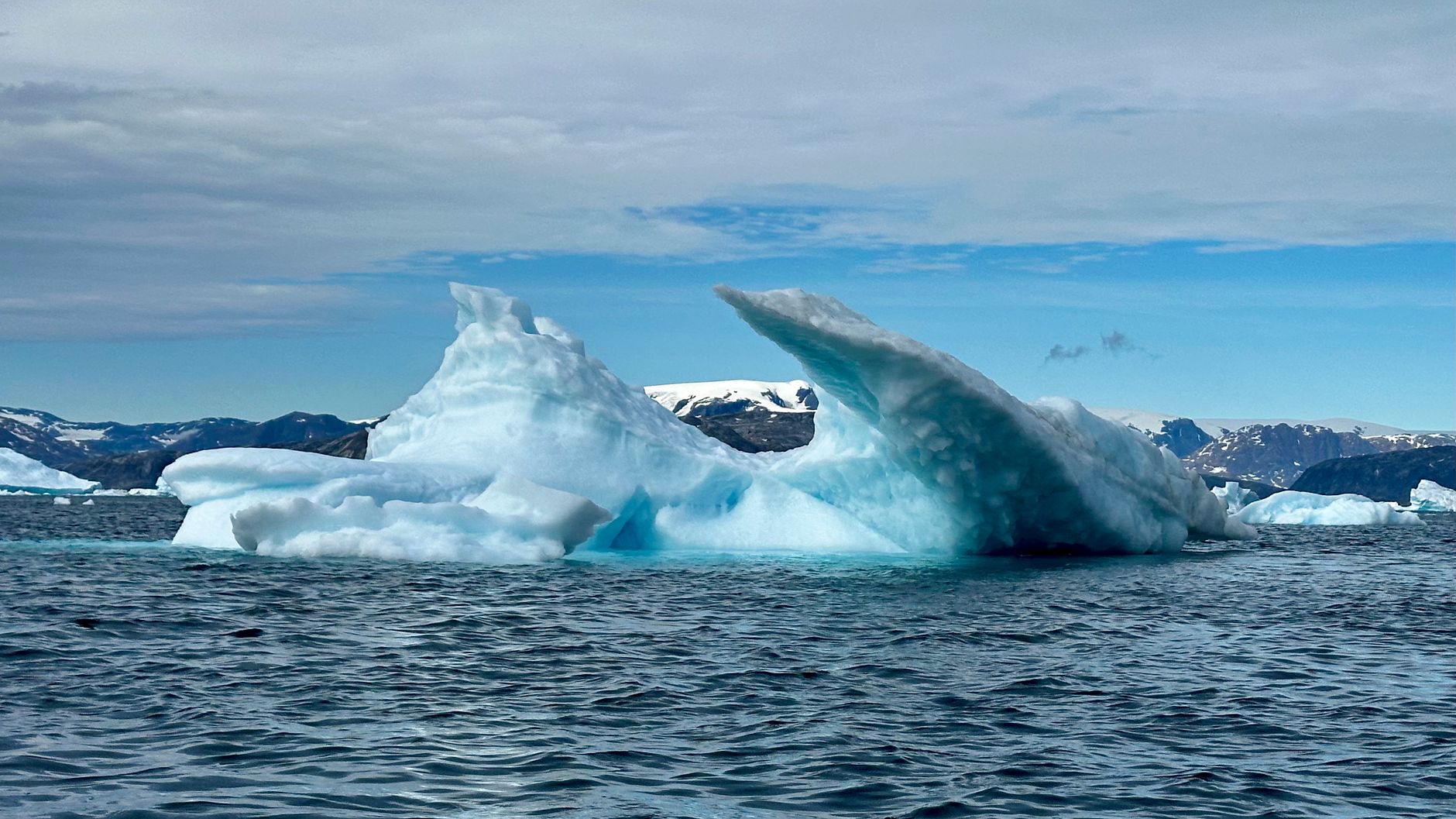
Global efforts to tackle climate change are advancing, with Brazil striving to unify international carbon markets and Verra launching a new standard for supply chain emission reductions. The OECD now offers a tool to track climate policies across 50 countries, providing crucial insights into global progress. Yet, the urgency of environmental action is underscored by a recent study revealing that Greenland and Antarctica have lost a staggering 11.3 trillion tons of ice since 1979. This melt has contributed to a 3.14 cm rise in global sea levels, highlighting the immediate need for sustainable solutions.
Brazil is making significant strides on the global stage, pushing to connect various carbon markets worldwide. Even as its own national system is still taking shape, the country is leading efforts to standardize how emissions reductions are monitored and accounted for. This aims to foster greater cooperation, including exploring potential agreements with nations like China by COP31, ultimately making global climate financing more effective and accessible.
Meanwhile, Verra, a key certifier in the carbon market, has unveiled its new Scope 3 Standard Program. This innovative framework allows companies to quantify, verify, and certify emission reductions across their entire value chains. It creates new avenues for financing projects aimed at sustainability and offers businesses more ways to earn credits for their environmental actions. We're also seeing progress in renewable energy, with a public consultation underway for a new method to generate carbon credits from green hydrogen produced using clean electricity, emphasizing the benefits of electrification.
Understanding how nations are addressing climate change is becoming clearer thanks to a new tool from the OECD. Their Climate Actions and Policies Measurement Framework tracks mitigation policies in 50 countries, assessing both their adoption and strictness. This consistent data provides a vital foundation for comparing efforts and monitoring the strengthening of environmental policies over time, essential for effective collective climate action.
However, a stark reminder of our planet's fragility comes from a groundbreaking study using decades of satellite imagery. It reveals that Greenland and Antarctica collectively lost an astounding 11.3 trillion tons of ice between 1979 and 2023. This immense melting has directly contributed to a 3.14 centimeter rise in global sea levels. The vast majority of this loss is due to glaciers accelerating their discharge into the ocean, a critical trend that highlights the escalating urgency of global warming and the need for immediate, impactful environmental protection.
To truly empower carbon markets, better connectivity is essential. Experts are advocating for a unified infrastructure to link the currently fragmented carbon credit registries and reporting systems. This integration would unlock more climate financing, streamline processes, and expand participation in reducing global emissions, reinforcing the importance of sustainable economic frameworks.
Interestingly, as cities face rising temperatures, some are looking to ancient wisdom for modern solutions. In Seville, Spain, there's renewed interest in “qanats,” a thousand-year-old underground water management technique. This innovative approach demonstrates how historical knowledge can offer valuable insights into urban adaptation strategies, connecting ancestral practices with contemporary climate challenges and showcasing creative ways to build resilient communities.