Popular EV Faces Unexpected Challenges: What German Inspectors Found

A recent inspection report from Germany's TÜV reveals concerning findings for one of the world's most popular electric vehicles. The Tesla Model Y ranked last among 109 models, with a significantly higher rate of major defects than its peers. This highlights the critical importance of robust vehicle design and maintenance, especially as we accelerate towards an electrified future, to ensure these cleaner transportation options are also reliably safe and durable for all drivers. These findings offer a crucial perspective on the ongoing journey toward sustainable and high-quality EV production.
Germany's TÜV analyzed 9.7 million mandatory roadworthiness inspections conducted between July 2025 and June 2026. Their focus on cars around three years old, undergoing their first check, offered a clear picture of initial reliability. The TÜV report showed a worrying trend for several electric vehicles.
The Tesla Model Y finished last for the second year in a row among 109 models. Inspectors found major defects in 18.5% of Model Ys, nearly triple the 6.4% average for cars of that age. This rate is the highest recorded for any model in this age group since the 2015 report, raising questions about durability and long-term performance.
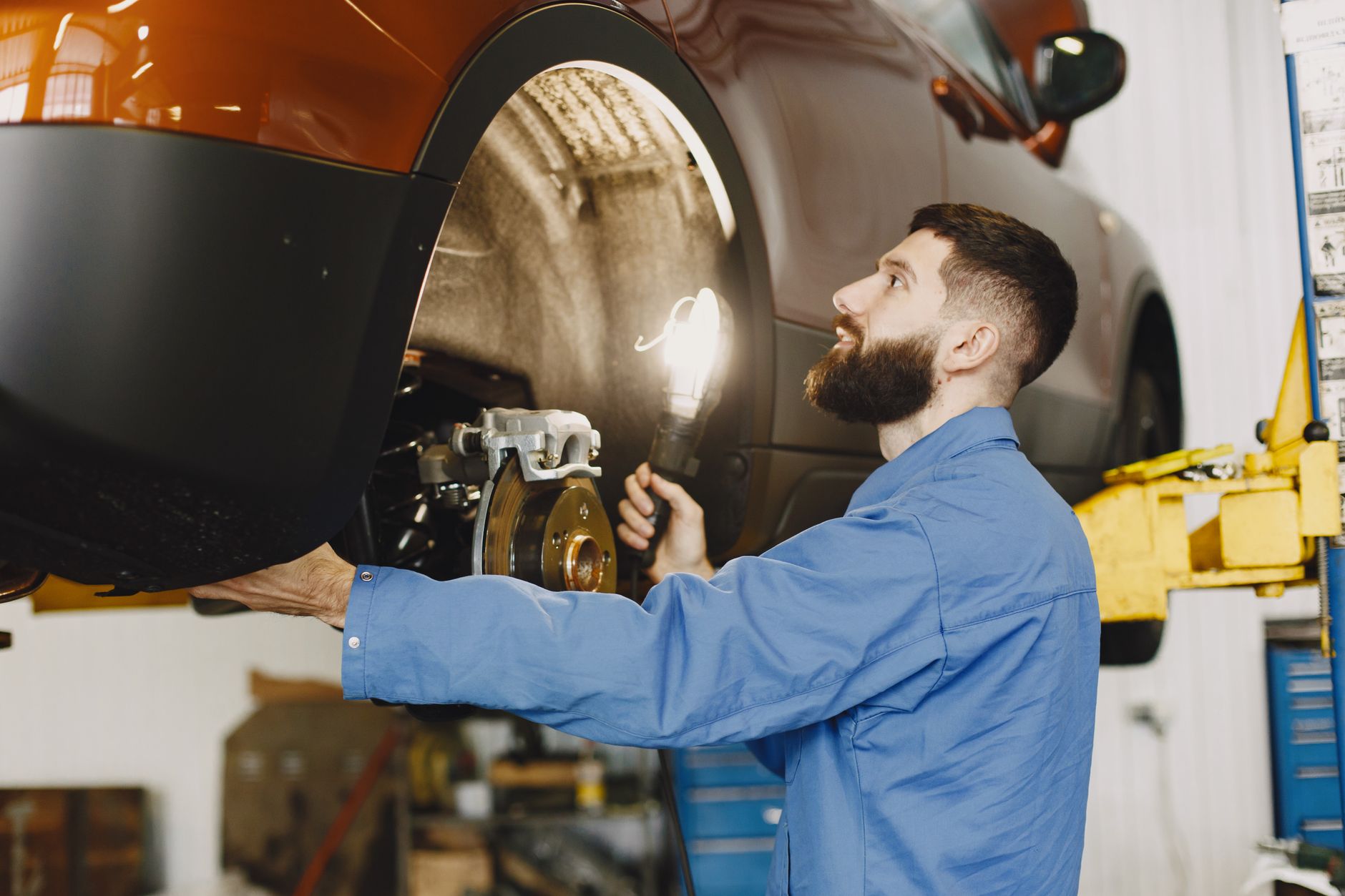
Specific problems frequently cited included worn suspension joints, which were flagged 24 times more often on Model Ys compared to similar cars. Additionally, defective brake discs were found on 3.4% of Model Ys, significantly higher than the 1% average for the age group. Front lighting issues also drew more complaints than usual.
It's worth noting that the Model Ys inspected had generally covered more miles than their counterparts, averaging 36,000 miles compared to the group average of 29,200 miles. For example, the well-performing Mazda MX-30, which had only a 3% failure rate and ranked third overall, averaged just 16,200 miles. However, other EVs, like the Tesla Model 3 (12.5% failure rate) and the MG4 (16% failure rate), also showed notable defect rates.
These findings from professional inspections differ from some owner-reported reliability surveys, like those from Consumer Reports, which ranked the Model Y as its most reliable new EV. This discrepancy highlights the difference between owner perception and expert evaluation, especially when assessing underlying wear and tear that might not be immediately apparent to drivers. The integrity of vehicle components is paramount for road safety and the sustained trust in electric mobility.
Tesla has since introduced an updated Model Y with a softer suspension setup. Whether these design changes will lead to improved reliability and better inspection results in the future remains to be seen as these newer models accumulate mileage. Ensuring vehicles, especially EVs, are built to last is crucial for encouraging wider adoption and realizing the full environmental benefits of electrification.