Port Air at Risk? California’s Clean Rules Face Federal Challenge

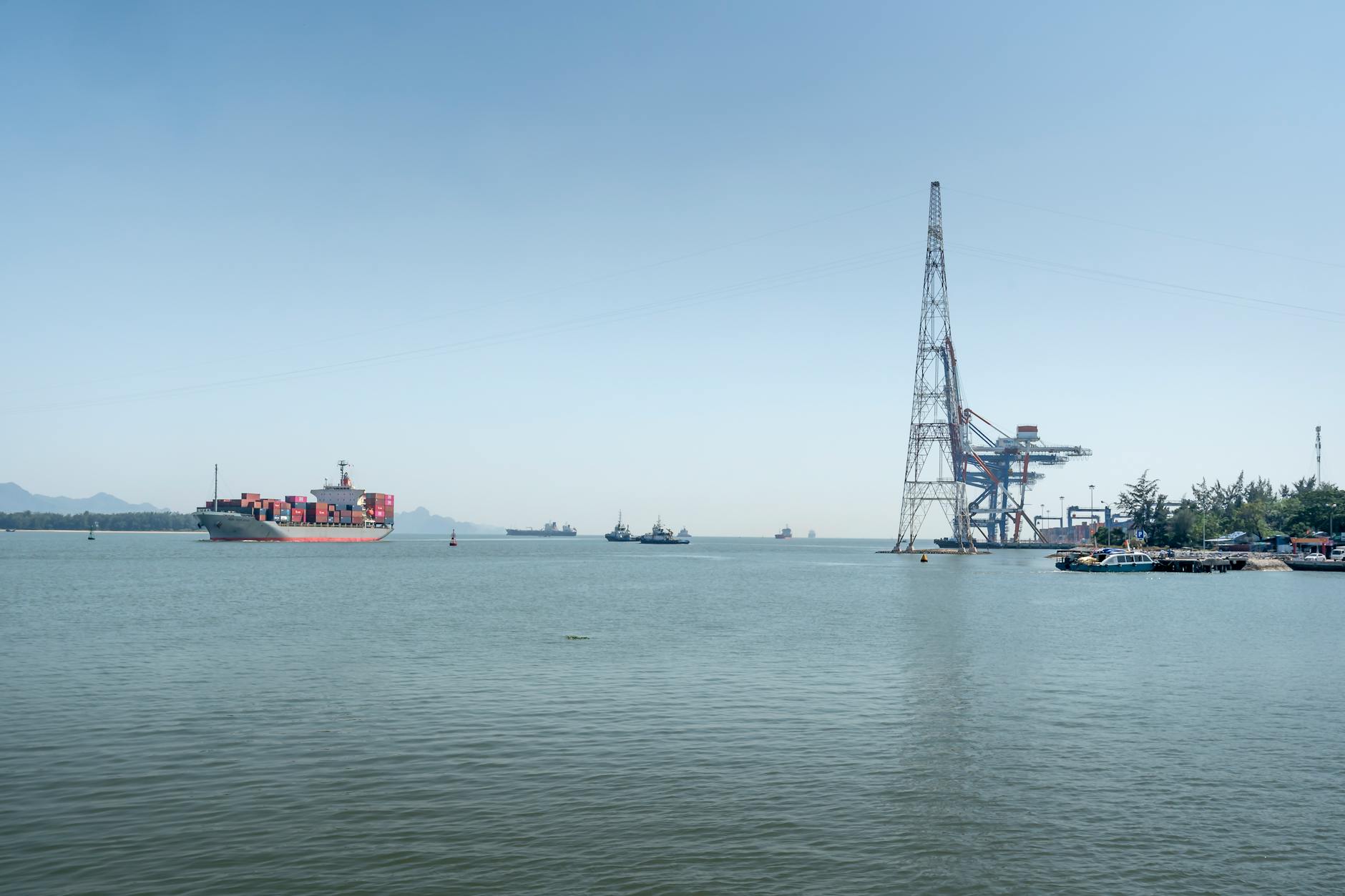
California's efforts to curb air pollution from massive cargo ships in its ports are facing a significant challenge from the U.S. House of Representatives. Recent votes aim to strip the state's authority to mandate cleaner solutions, like requiring ships to use electricity instead of diesel engines while docked. This move threatens to worsen air quality in communities near harbors, which already bear the brunt of smog and harmful emissions. The situation unfolds amidst a legal battle, with a federal judge already questioning the legality of the administration's deregulation attempts.
Recent votes in the U.S. House of Representatives have challenged California's power to enforce crucial air pollution regulations for large cargo ships. These rules require vessels to switch to electricity when in port, rather than running their powerful diesel engines, and also mandate cleaner engines for some commercial boats. Such measures are vital for communities like Long Beach and Wilmington, where the twin ports of Los Angeles and Long Beach are a major source of smog and unhealthy air.
This congressional action comes despite a federal judge's strong condemnation of the current administration's approach to deregulation, deeming it likely unlawful. This is not an isolated incident; it's the latest in a series of attempts by the Trump administration and Republican lawmakers to roll back California pollution regulations and undermine the state's authority. Last year, for instance, they revoked three other federal waivers, including one that would have allowed California to effectively ban the sale of new gas-only cars by 2035. The debate now also centers on the Congressional Review Act, and whether these federal waivers are "rules" that Congress can overturn or "orders" that they cannot.
The outcome of this legal and political battle has significant environmental implications. California's maritime regulations are designed to drastically cut smog-forming emissions and cancer-causing diesel exhaust, protecting public health in densely populated port areas. Electrification offers a clean alternative to fossil fuels, reducing local air pollution and contributing to broader climate goals. Environmental groups are confident California's commitment to cleaner air will prevail, underscoring the urgent need for collective action against pollution and global warming.