Power Grid Shock: What's Surging Ahead for Our Energy Future?

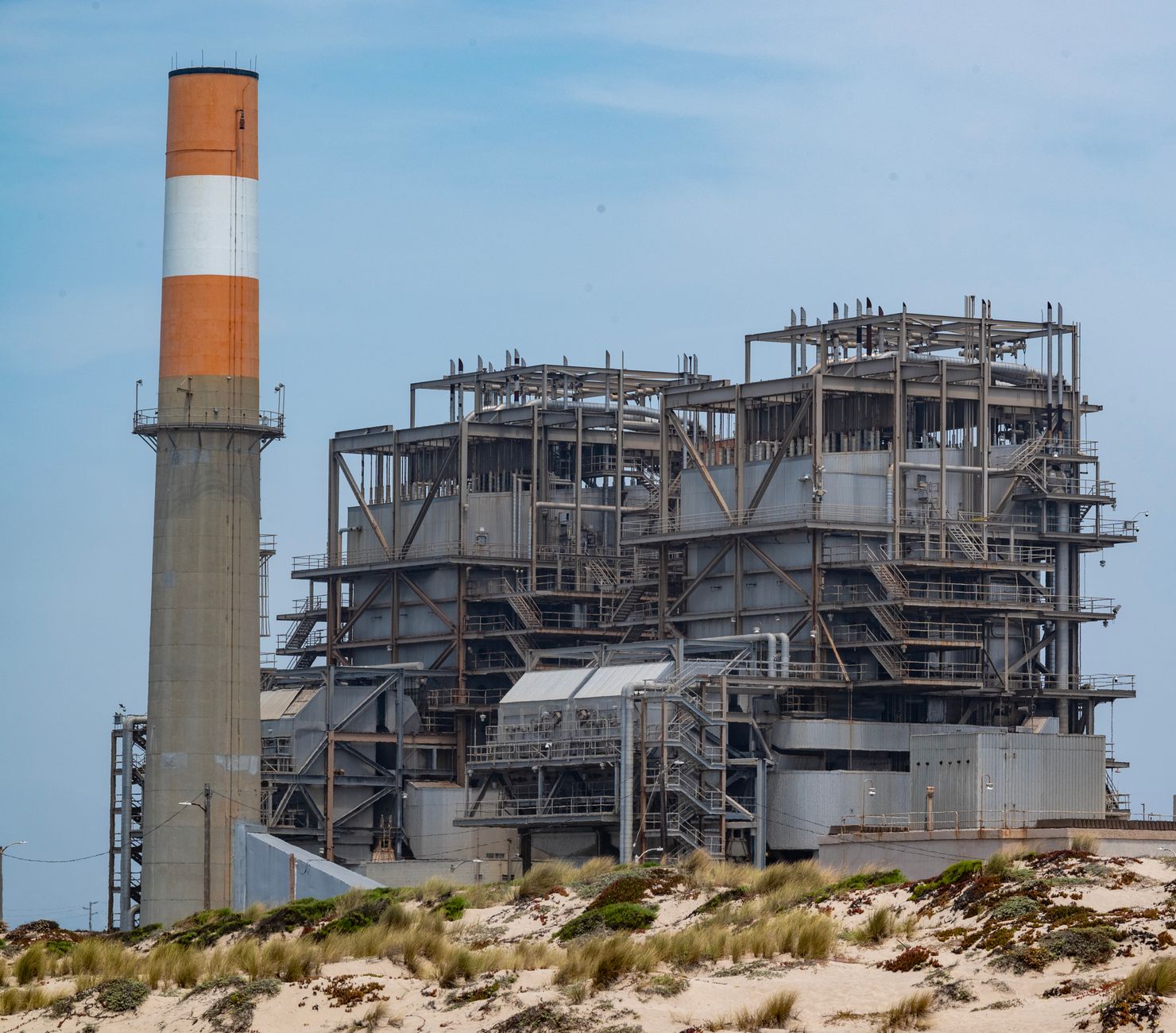
A surprising shift is underway in the PJM Interconnection grid, which powers a large part of the eastern U.S. Natural gas projects now lead new energy proposals in the first round of their reformed interconnection process, making up nearly half of the massive capacity queue. This surge, largely driven by the booming demand from data centers, stands in stark contrast to just a few years ago when clean energy like solar and wind dominated. The situation raises concerns about our progress toward cleaner power and the urgent need for sustainable solutions to combat global warming. Our energy future hangs in the balance as the grid faces increasing pressure.
The PJM Interconnection, the largest grid operator in the nation, has rolled out a new system to get power projects built faster. This "first-ready, first-served" approach requires companies to show they're serious, putting down money and proving they have a site before their project is even studied. This change comes after years of a massive backlog, where many clean energy proposals, mostly solar and wind, got stuck and were never built.
Now, with the first results under these new rules, natural gas has taken a significant lead in terms of total power capacity. This shift is happening just as electricity demand is expected to jump by a huge amount, mainly because of the rapid growth of data centers. While natural gas offers a quick way to meet this growing need, it's a fossil fuel, which means more pollution and a step back from our climate goals.
Interestingly, even though natural gas has more capacity, a closer look shows that battery storage and solar projects still account for many more individual proposals. This suggests that the desire for clean energy is strong, despite policy challenges and the rush for fossil fuels. However, gas plants are also becoming much more expensive to build compared to their clean energy alternatives.
Experts worry that if we keep relying on fossil fuels, it will be harder to fight climate change and could lead to higher electricity bills and reliability issues down the road. While the new PJM rules aim to make sure only viable projects move forward, outside issues like local permits, supply chain problems, and funding can still stop even the most promising ideas. Our collective action and commitment to sustainable solutions are crucial to ensure a stable, clean energy future.