Protected Pacific Waters Face New Fishing Push: What's at Stake?

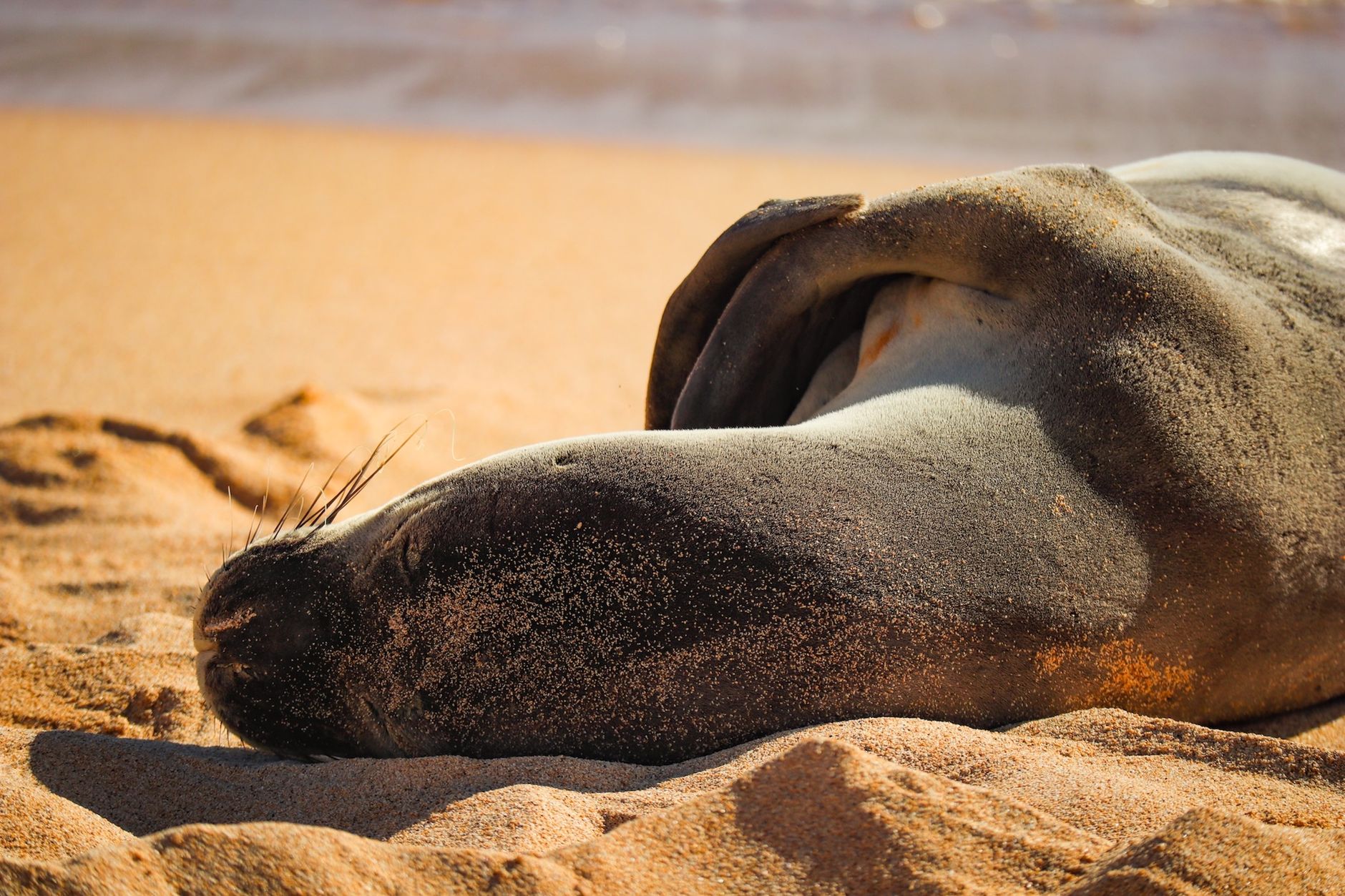
The Trump administration has proposed opening parts of the vast Pacific Islands Heritage Marine National Monument to commercial fishing, a move critics call "reckless and shortsighted." This area, once a bipartisan conservation success, spans over 400,000 square miles of pristine, ecologically rich, and culturally significant waters. Environmental groups and Native Hawaiian elders are voicing strong opposition, warning of irreversible damage to one of the planet's last healthy ocean ecosystems. The proposal threatens unique biodiversity, including endangered sharks and coral systems, raising urgent concerns about sustainable resource management and environmental protection.
The Trump administration recently unveiled a plan to allow commercial fishing back into parts of the Pacific Islands Heritage Marine National Monument. This sprawling protected area, covering more than 400,000 square miles of ocean, has long been a sanctuary for marine life and holds deep cultural importance for Native Hawaiians. The proposal would permit large industrial longline boats and purse seiners, which use vast nets to catch dense schools of fish, to operate in these vital waters.
This move reverses decades of bipartisan effort to safeguard the region. The monument's legacy traces back to the 1930s with Hawaiian settlers, and its protection was later solidified with support from both President George W. Bush in 2009 and expanded under the Obama administration. Allowing industrial fishing here would be a significant step backward for ocean conservation and the urgent need to protect our planet's most vulnerable ecosystems.
Critics are quick to highlight the severe environmental risks. Sol Kahoʻohalahala, a Native Hawaiian elder, views the plan as a betrayal, questioning why resources should be taken for profit without concern for future generations. Sheila Sarhangi, director of the Pacific Islands Heritage and Papahānaumokuākea Coalitions, calls it "completely reckless and shortsighted," pointing to the heavy bycatch from industrial fishing that could devastate this "last wild, healthy ocean ecosystem."
This isn't the first attempt to open these waters. In 2025, President Trump signed an executive order allowing fishing around certain atolls, but Earthjustice successfully sued to halt operations. The court found the National Marine Fisheries Service failed to follow proper procedures and incorrectly used the Antiquities Act. This legal precedent underscores the importance of protecting these areas from unwarranted exploitation.
The monument is a global hotspot for biodiversity, boasting a 5,000-year-old coral system and 165 seamounts. It's a critical habitat for threatened species like blue whales, leatherback sea turtles, and numerous seabirds. Despite the administration's claim of "negligible" harm, historic data shows otherwise; in 2013, industrial fishing here ensnared over 2,300 sharks, with most discarded dead or injured, including critically endangered species. Protecting these unique ecosystems is crucial for global marine health and resilience against climate change.
While framed as an effort to "unleash American commercial fishing," the economic benefits are minimal, according to the fisheries service itself, offering only "minor, beneficial impact" from reduced transit times. David Henkin, an Earthjustice attorney, describes the entire effort as a "charade" and "more show than go," noting that fishing activity was very limited even during the brief period it was allowed in 2025. This highlights that environmental protection often outweighs fleeting economic gains, especially when considering the long-term health of our planet.
The National Marine Fisheries Service has opened a 30-day public comment period, closing on December 9, 2026. This is a critical opportunity for individuals to voice their support for maintaining these vital protections. As Kahoʻohalahala reminds us, ensuring the abundance of our natural resources for future generations is not just about conservation, but about setting a precedent for our relationship with nature itself. Collective action now can help preserve this irreplaceable marine treasure.