Puerto Rico's Water Crisis: Why Rain Alone Won't Fix It

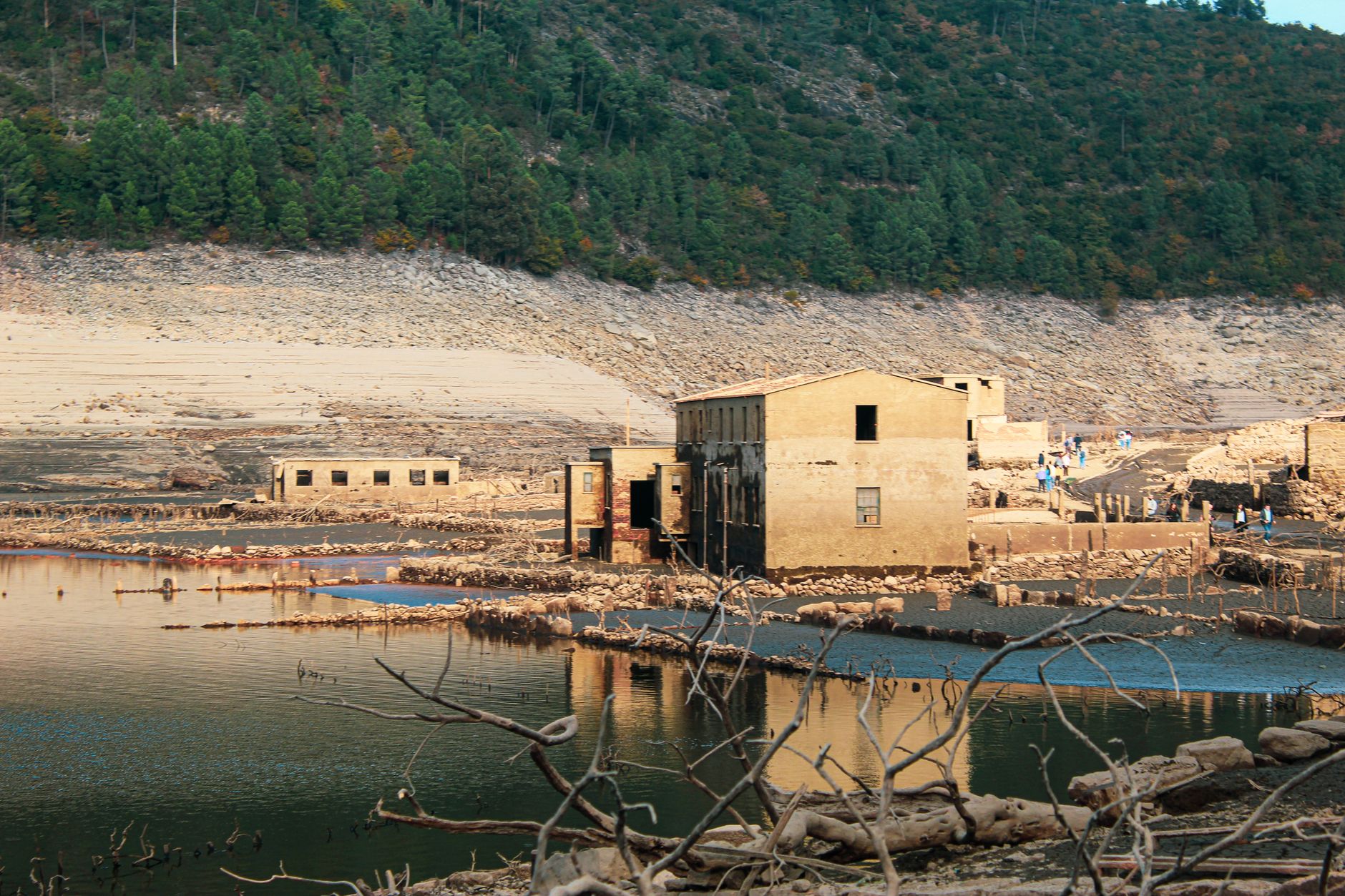
Puerto Rico's metropolitan residents are facing daily water rationing, waiting hours for water trucks as a severe drought grips the archipelago. The Governor declared a state of emergency in late July due to critically low water levels in key dams. This isn't solely a problem of insufficient rainfall; rather, a complex combination of rising temperatures, neglected infrastructure, and outdated management practices has plunged the island into one of its most severe water crises in years. The urgency of addressing these underlying issues, especially in the face of a changing climate, is becoming increasingly clear for the island's future.
Even when it rains in Puerto Rico, the water crisis persists. This is because the problem goes far beyond simple drought. Higher temperatures increase evaporation from reservoirs and boost water consumption, while decades of neglected maintenance mean sediment has built up in dams, significantly reducing their capacity. Furthermore, much of the rain doesn't fall where it's most needed, failing to replenish critical reservoirs like Carraízo in the north, even if other parts of the island receive downpours. The combination of these factors, along with an aging infrastructure and general mismanagement, has deepened the crisis.
While the current situation shares worrying similarities with the extended rationing seen in 2015, including prolonged service disruptions, it's also intensified by more frequent heatwaves. These heat spikes not only increase demand but also accelerate evaporation. Despite the clear warning from the 2015 drought, the government has faced strong criticism for its handling, particularly regarding communication about rationing. Issues like an astonishing 65% of potable water being lost to leaks or simply not billed persist, highlighting systemic problems that a recent strike by water utility employees over low wages and poor conditions further underscored.
Many residents have taken matters into their own hands, with more homes installing cisterns compared to 2015. While this offers some relief for families, it also creates new challenges, as simultaneous refilling can strain the system and reduce the effectiveness of conservation efforts. Unfortunately, such solutions are often too costly for a country where the average household income is low. Meanwhile, natural climate patterns like El Niño contribute to uncertainty, but the larger picture shows how climate change is shifting moisture patterns across the Caribbean, altering where rain falls. A critical, often unseen, issue is the massive sediment buildup in reservoirs; historical estimates suggest some have lost up to 60% of their original capacity. Hurricane María, made more intense by climate change, exacerbated this by triggering countless landslides that dumped debris into crucial water sources, meaning the visible water level in a reservoir doesn't accurately reflect its true storage.
The impact is most acutely felt in key reservoirs. Carraízo, serving the San Juan metropolitan area, is of major concern, while Cidra, Río Blanco, and Guayabal are vital for the east-central, eastern, and southern agricultural regions, respectively. Guayabal, in particular, is critical for food security and protecting against saltwater intrusion into aquifers, making its reduced capacity a serious threat to both livelihoods and long-term water availability. Simple fixes like desalinization or cloud seeding are not viable broad solutions; desalinization is energy-intensive and expensive on an island with fragile infrastructure and high water loss, while cloud seeding offers no guarantee of creating or directing rain where it's needed, as shown by its ineffectiveness in 2015.
Effectively managing Puerto Rico's water requires a comprehensive approach. This includes creating public dashboards to track reservoir levels and water usage in real-time, along with much better coordination among various government agencies, municipalities, agricultural sectors, universities, and community groups. Crucially, many practical steps are already outlined in Puerto Rico's Climate Change Mitigation, Adaptation, and Resilience Plan. This plan, developed with local experts, offers a clear path to reduce vulnerabilities and build resilience against future climate challenges. However, without urgent legislative action to implement it, these vital preventative measures remain on paper, leaving the island exposed to ongoing and future climate impacts.