Quiet Texas Town Faces Unexpected Tech Transformation [Local Impact]

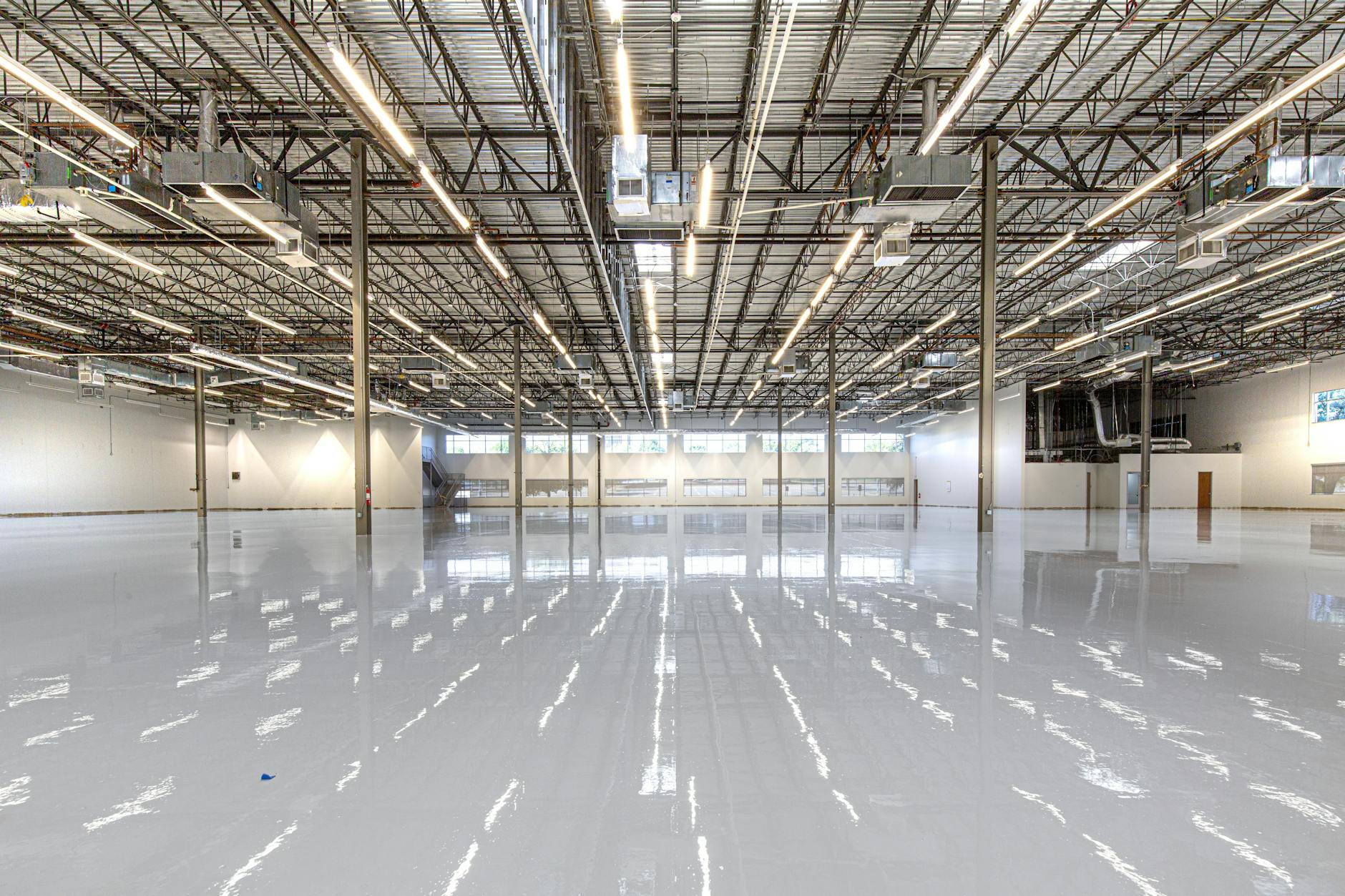
Taylor, Texas, once a picturesque rural town, is rapidly transforming as tech giants like Samsung and multiple data centers move in. This surge in industrial development has sparked significant concern among residents who relocated for a quiet life. The massive projects, including data centers estimated to consume electricity equivalent to nearly a million homes, threaten to overwhelm local resources and change the town's character forever. Residents are raising alarms about noise, traffic, and critical environmental impacts, highlighting a growing tension between rapid tech expansion and community well-being.
For families like Sarah Medina's, Taylor offered the idyllic promise of affordable land and a tight-knit community, a stark contrast to booming Austin. They built a homestead, raising livestock and nurturing a garden, envisioning a lifelong haven. However, that dream began to fracture with the 2022 groundbreaking of Samsung's massive semiconductor facility, just a mile from their home, bringing constant construction noise and traffic.
Now, the situation has intensified with the approval of three enormous data centers near the railroad tracks, further pushing Taylor from its rural roots. These facilities, by some estimates, could consume an astonishing 1.42 gigawatts of electricity—enough to power 950,000 Texas homes annually, or roughly the entire city of Austin. This rapid industrialization raises serious questions about strain on the local energy grid and the overall environmental footprint.
Residents, organized into the HALT Taylor coalition, are vocal about their concerns. Beyond the constant hum of future operations—up to 50 decibels during the day—they worry about increased traffic, potential contamination from runoff on agricultural land, and the strain on local water resources. One data center project is planned on land that a stream, the Mustang Creek Tributary, marks as a flood risk on FEMA's map. This is particularly alarming for a city that experienced damaging flash floods in 2015, leaving many residents, including Pamela Griffin, fearing for their health and homes.
Adding to the controversy, a lawsuit filed by Griffin and other residents alleges the city misused land designated as parkland in its original deed for one of the data centers. Although the initial lawsuit was dismissed, the Texas Attorney General has since launched an investigation into the matter, acknowledging the potential disregard of the original land-use clause. This fight highlights the importance of holding developers and local governments accountable for promises made and for protecting community green spaces.
The swift, large-scale industrialization threatens Taylor’s environmental integrity and the quality of life its residents sought. This situation underscores the critical need for sustainable development practices that balance technological progress with environmental protection and community needs. As the world moves towards more digital infrastructure, ensuring these massive energy consumers are powered by clean, renewable energy is paramount, and local impacts on water, land, and air must be carefully considered.