Ranchers Back Climate Suit: A Shocker in Colorado's Top Court

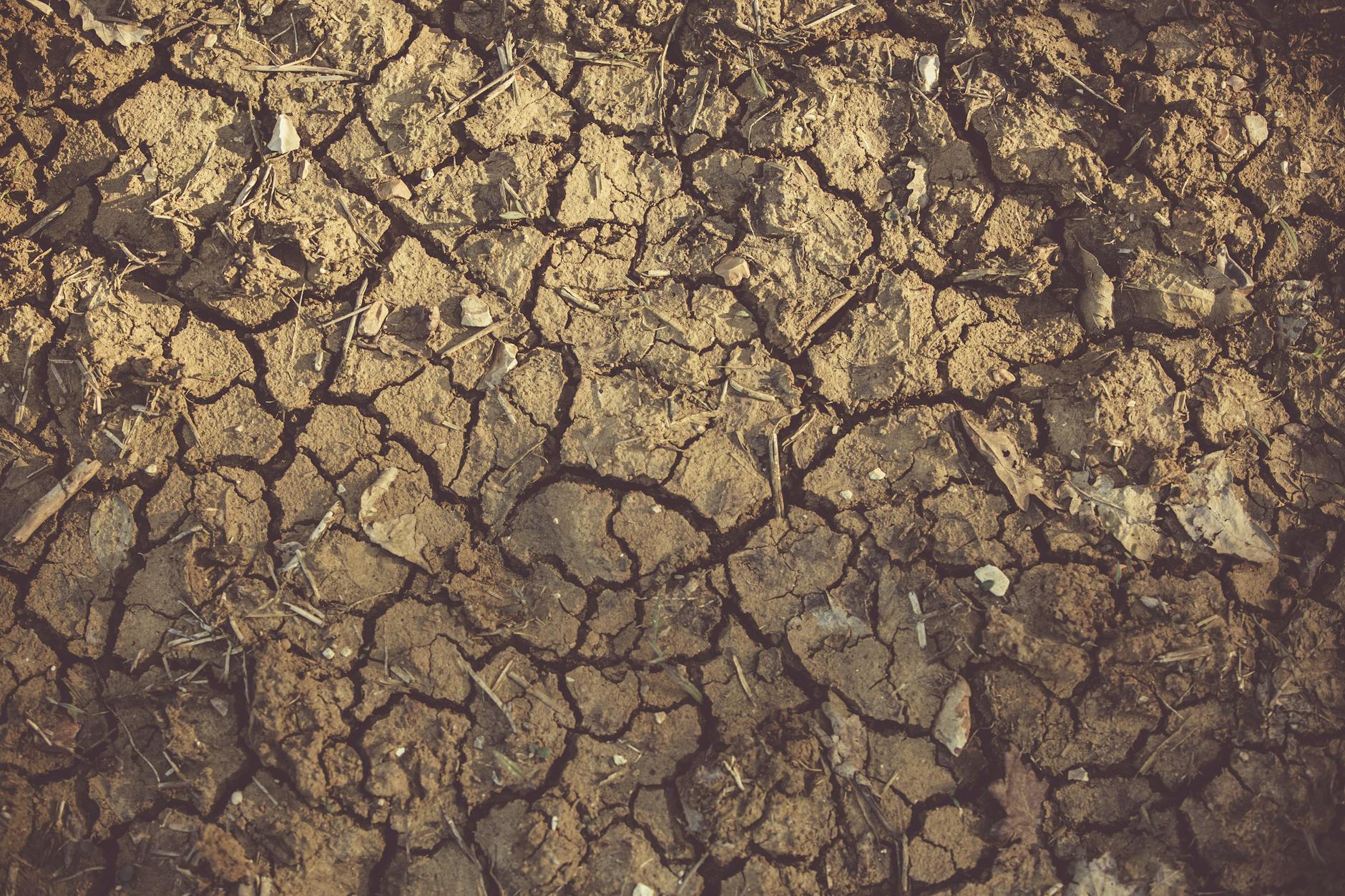
In an unusual move, a group of Colorado ranchers is taking a stand in a pivotal U.S. Supreme Court case, supporting a lawsuit that seeks to hold major oil companies accountable for climate change. These ranchers, facing severe drought and extreme heat, say their livelihoods are being destroyed by shifting weather patterns. Their testimony highlights the urgent, on-the-ground impacts of global warming, emphasizing how environmental changes threaten essential industries and communities across the American West. The outcome of this case could reshape how the fossil fuel industry is held responsible for climate damages.
For years, the Rocky Mountains have endured relentless heat and drought, drying up vital streams and parching the grazing lands that feed cattle. This environmental toll has pushed Colorado ranchers to the brink, jeopardizing a way of life passed down through generations. They see a direct link between these harsh conditions and climate change, a connection many in the ranching community have historically questioned.
The Supreme Court is currently reviewing a lawsuit brought by Boulder, Colorado, against Suncor Energy and Exxon Mobil. The city claims these oil giants knowingly hid the dangers of fossil fuels for decades and should now help pay for the rising costs of climate impacts, like intense wildfires, droughts, and heatwaves. This legal battle underscores the significant financial burden climate change places on communities, which local taxpayers are currently left to shoulder.
One rancher, Caleb Valdez, who manages about 200 cattle, has personally witnessed springs dry up and creeks shrink, forcing him to buy expensive feed and haul water for his animals. He states, "My livelihood is directly dependent on the environment," and points out that inconsistent weather makes his work incredibly unpredictable. This isn't just about his ranch; it's about national food security. Other ranchers, like Kathryn Bedell, are facing bankruptcy, having to sell off most of their herds due to water shortages.
This stark reality led seven ranchers to file a friend-of-the-court brief supporting Boulder, arguing that rising temperatures threaten their economic viability. They emphasize that average temperatures in Colorado have risen 2.3 degrees since 1980, contributing to a "megadrought" that has severely depleted the Colorado River and its reservoirs to their lowest levels on record. This crisis, where "the West is being dewatered," demands that fossil fuel companies engage in solutions and be held responsible, much like past legal actions against the tobacco industry. While some discussions point to agriculture's own environmental footprint, these ranchers maintain that their land-management practices actively benefit ecosystems and capture carbon, aiming to be part of the climate solution. The Supreme Court's decision on October 5th could set a precedent for dozens of similar lawsuits nationwide, stressing the urgent need for accountability in our global climate crisis.