Rapid Dairy Growth Sparks Lawsuits. What Are the True Costs?

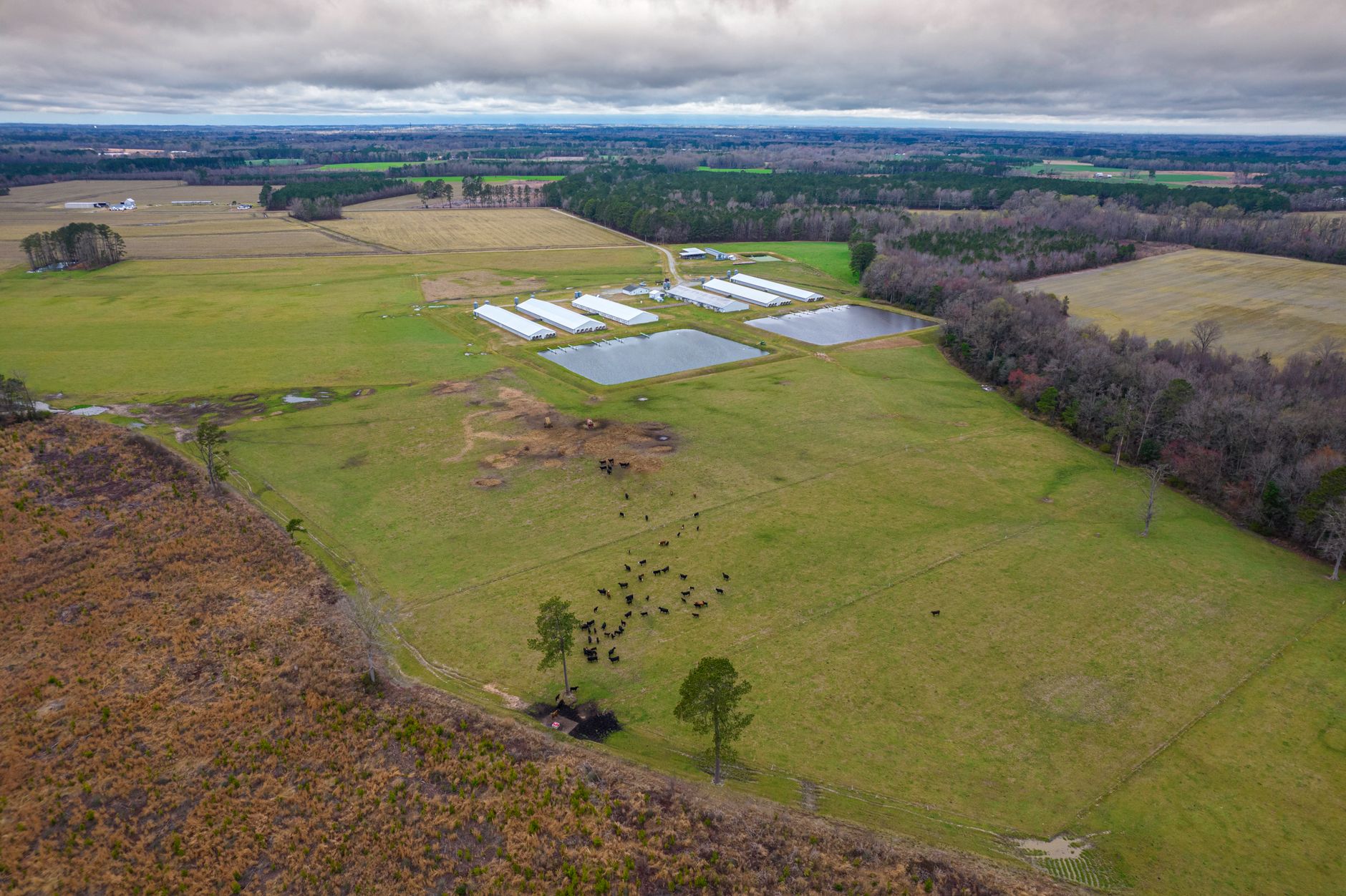
Riverview LLP, a major dairy producer, is rapidly expanding its operations across the Upper Midwest, sparking strong opposition. Advocacy groups and local residents are filing lawsuits against state regulators, arguing that these mega-dairies threaten the environment and rural communities. Concerns center on significant air and water pollution from vast amounts of manure, alongside claims that greenhouse gas emissions are being overlooked. This situation highlights an urgent need for stricter oversight as agricultural growth confronts environmental protection and climate goals.
Riverview LLP, the country's second-largest milk producer, is growing at an unprecedented pace, establishing huge dairy facilities capable of milking tens of thousands of cows. This rapid expansion is ringing alarm bells for environmental groups and residents who fear the scale of these operations is overwhelming small rural areas.
A major concern is the enormous amount of potent manure produced by these dairy cows. This waste can lead to serious air and water pollution. When spread on fields, it can leach dangerous levels of nitrates into waterways, a compound linked to "blue baby syndrome" in infants and potential cancer risks. Beyond local pollution, these facilities are significant sources of greenhouse gases, especially methane from cow burps and nitrous oxide from manure, both far more potent than carbon dioxide.
In Minnesota, advocacy groups like the Minnesota Center for Environmental Advocacy are taking legal action. They are challenging the state's Pollution Control Agency for issuing permits without requiring Riverview to adequately plan for reducing greenhouse gas emissions, even though state rules exist for larger facilities to do so. These groups argue that current estimates of emissions are merely informational and lack the force to ensure real reductions. Another lawsuit, filed by Food & Water Watch and the Land Stewardship Project, contests the agency's decision not to require a detailed environmental impact statement in June for a major expansion, citing likely significant effects on climate, water, and communities.
This issue isn't confined to Minnesota. Riverview's expansion extends into North and South Dakota, where environmental groups are also pushing back against what they describe as lax regulations. Concerns include underestimated manure production, inadequate land for waste disposal, and potential pollution of rivers and lakes, including Canada's Lake Winnipeg. Some state agencies have determined facilities are "non-discharging," meaning they don't need federal Clean Water Act permits, a determination that critics say relies too heavily on the company's own assessment.
The challenges against Riverview underline a broader problem: livestock emissions in the U.S. have climbed significantly, making up about 6 percent of the nation's total greenhouse gas output, mostly methane. While Minnesota has ambitious climate targets, agriculture remains a sector where progress in emission reduction is lagging. With California being one of the only states to establish enforceable methane reduction programs for dairies California Methane Regulation, the lawsuits aim to set a precedent for stronger environmental oversight. Riverview's track record isn't limited to the Midwest; a previous agreement in Arizona saw the company compensate residents and reduce water usage after contributing to groundwater depletion in a desert community. This pattern of aggressive expansion and subsequent challenges highlights the urgent importance of holding large agricultural operations accountable to protect local drinking water, support rural economies, and contribute to the urgent global effort to combat climate change.