Record El Niño looms: What does it mean for your household?

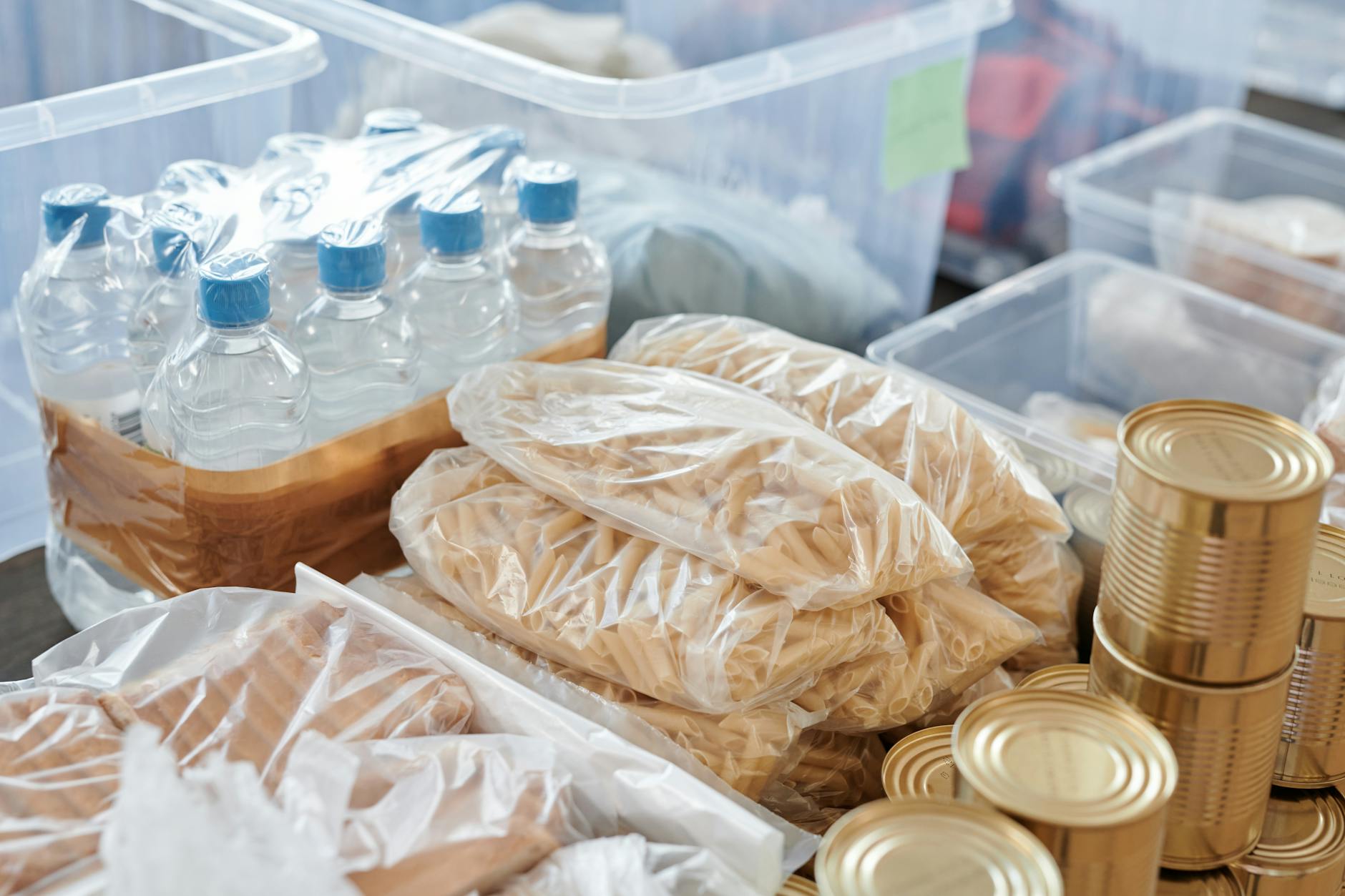
Environment Secretary Angela Eagle has issued a stark warning, urging the public to store food supplies in anticipation of extreme weather events. This comes as an unprecedented El Niño is forecast to become the largest since the 19th century, with sea temperatures rising significantly in the Pacific. Experts predict a future of drier summers and wetter, stormier winters for the UK, alongside severe flooding in Asia and droughts in other tropical regions. This critical situation underscores the urgent need for both individual and governmental preparedness in the face of accelerating climate impacts.
The warning from Environment Secretary Angela Eagle follows forecasts of a record-breaking El Niño event. The Met Office indicates this weather phenomenon, characterized by unusually warm Pacific sea temperatures, could be the most powerful recorded in centuries. Experts like Professor Bill McGuire from University College London describe the outlook as "one hell of a ride," predicting significant global disruption. For the UK, this means an increased likelihood of wetter, stormier winters and drier summers, while tropical areas face heightened drought risks and parts of Asia brace for severe flooding.
In response, Ms. Eagle encouraged households to store some food, suggesting that a small personal reserve could provide crucial resilience before emergency services arrive. She stressed to The Guardian the importance of taking these warnings seriously, given the projected intensity of the climate shocks. This advice aims to bolster individual capacity to cope with potential disruptions caused by more frequent and severe weather emergencies, a growing concern as our planet warms.
However, prominent environmental journalist George Monbiot offers a critical perspective, arguing in The Guardian that relying solely on individual food storage is a "neoliberal nonsense" and an inadequate response to a looming societal crisis. He points out that such solutions primarily benefit those with financial means and space, leaving the poor and vulnerable to face the worst impacts. Monbiot emphasizes that genuine preparedness requires the government to take serious action, both in preventing climate catastrophe and in developing robust societal strategies to survive its inevitable effects, rather than placing the burden entirely on individuals. This highlights the urgent need for collective climate action and sustainable infrastructure to protect all members of society.