Record Heat Reveals Data Centers' Hidden Grid Strain [US]

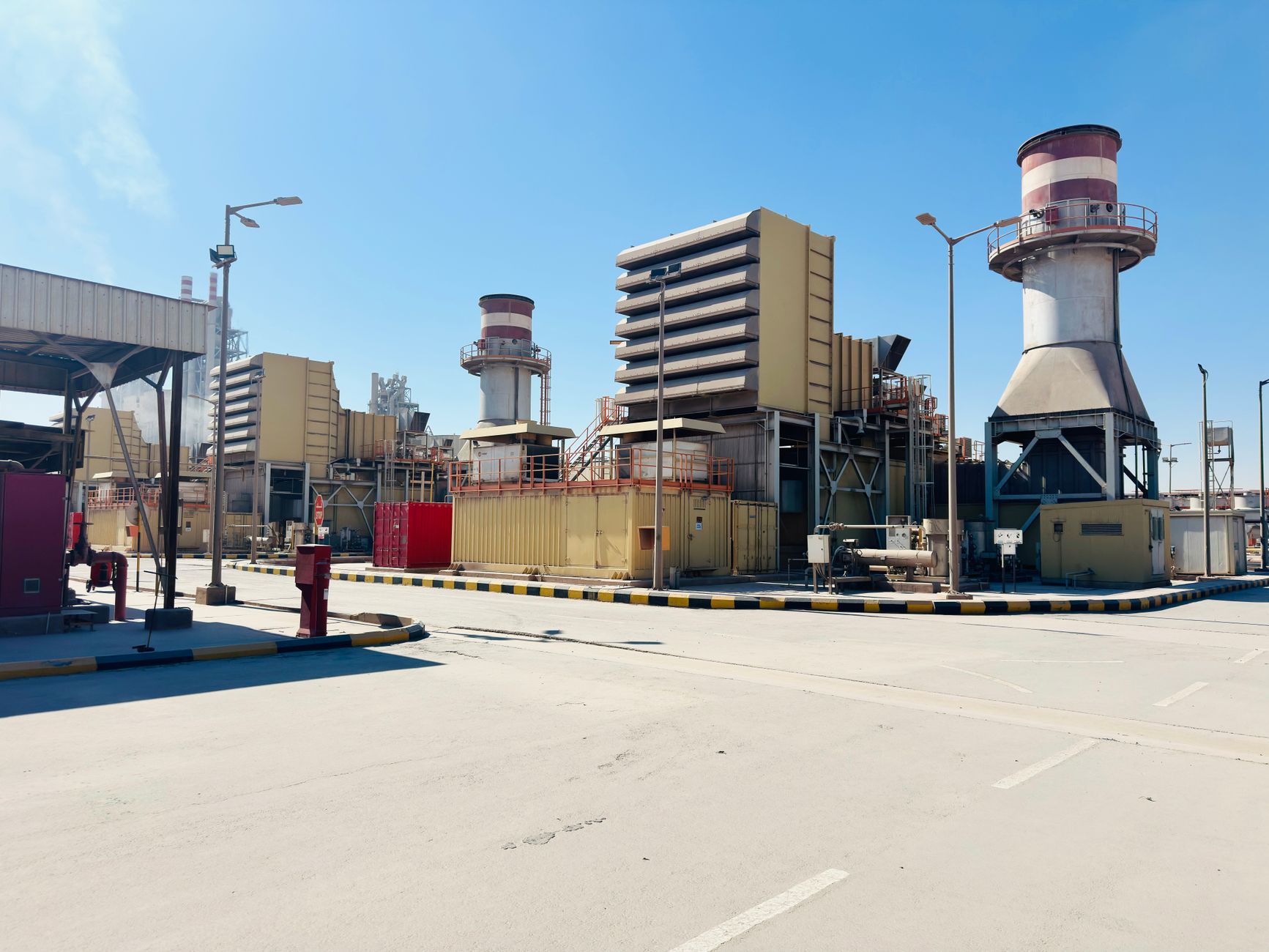
As record heatwaves gripped the US Eastern states, a critical issue emerged: massive data centers, vital for our digital world, were forced to switch to polluting diesel generators to keep running. This move, aimed at preventing blackouts, sparked outrage among communities concerned about air quality. It’s a stark reminder of how our growing digital infrastructure, especially with the rise of AI, places immense strain on electricity grids and accelerates the urgency for sustainable energy solutions amidst a worsening climate crisis.
This past July, when extreme temperatures hit the Eastern US, residents near data center hubs witnessed black smoke pouring from diesel backup generators. The power grid operator, PJM Interconnection, asked these large facilities to use their own power to prevent widespread blackouts. This meant generators ran for nearly 1,800 hours beyond their environmental limits, a decision that drew heavy criticism from environmental groups like The Coalition to Protect Prince William County, which called it akin to 'thanking the arsonist' for putting out a fire they started. Data from July 3-5 and July 14-17 revealed the scale of this reliance.
This isn't just a regional problem. Energy experts and international organizations warn that the rapid expansion of data centers, especially those powering Artificial Intelligence, poses a global challenge for electricity grids. AI workloads demand significantly more energy, leading to "point loads"—huge power demands concentrated in one area, as highlighted in a 2024 report by EPRI. With long waits to connect to grids, many data center operators are now choosing to build their own onsite gas power plants, according to the International Energy Agency, creating further reliance on fossil fuels instead of transitioning to cleaner energy.
Beyond electricity, data centers also consume vast amounts of water for cooling, a demand that spikes during heatwaves, just when water supplies are most strained. While some operators adopt 'waterless' cooling systems on site, these often just shift the water usage to the power source, as shown by one large proposed UK data centre’s plans that would use far more water at the power source. Countries like the UK, though having smaller data center clusters, face similar local pressures on their energy networks, particularly in areas like London and the South East where capacity is already tight. These issues underscore why environmental protection and sustainable infrastructure are paramount.
The expansion of data centers also creates a challenging competition for grid capacity. Energy UK, a leading industry body, has expressed concerns that prioritizing data center connections could divert crucial resources away from connecting new renewable energy projects, as they warned in a statement. This directly hinders our progress toward a cleaner, electrified future and exacerbates the global warming crisis. Addressing these challenges through collective climate action and investing in truly sustainable, efficient data solutions is not just beneficial; it’s an urgent necessity for our planet.