Record Rains, Floods Slam US Coasts: What's Driving the Deluge?

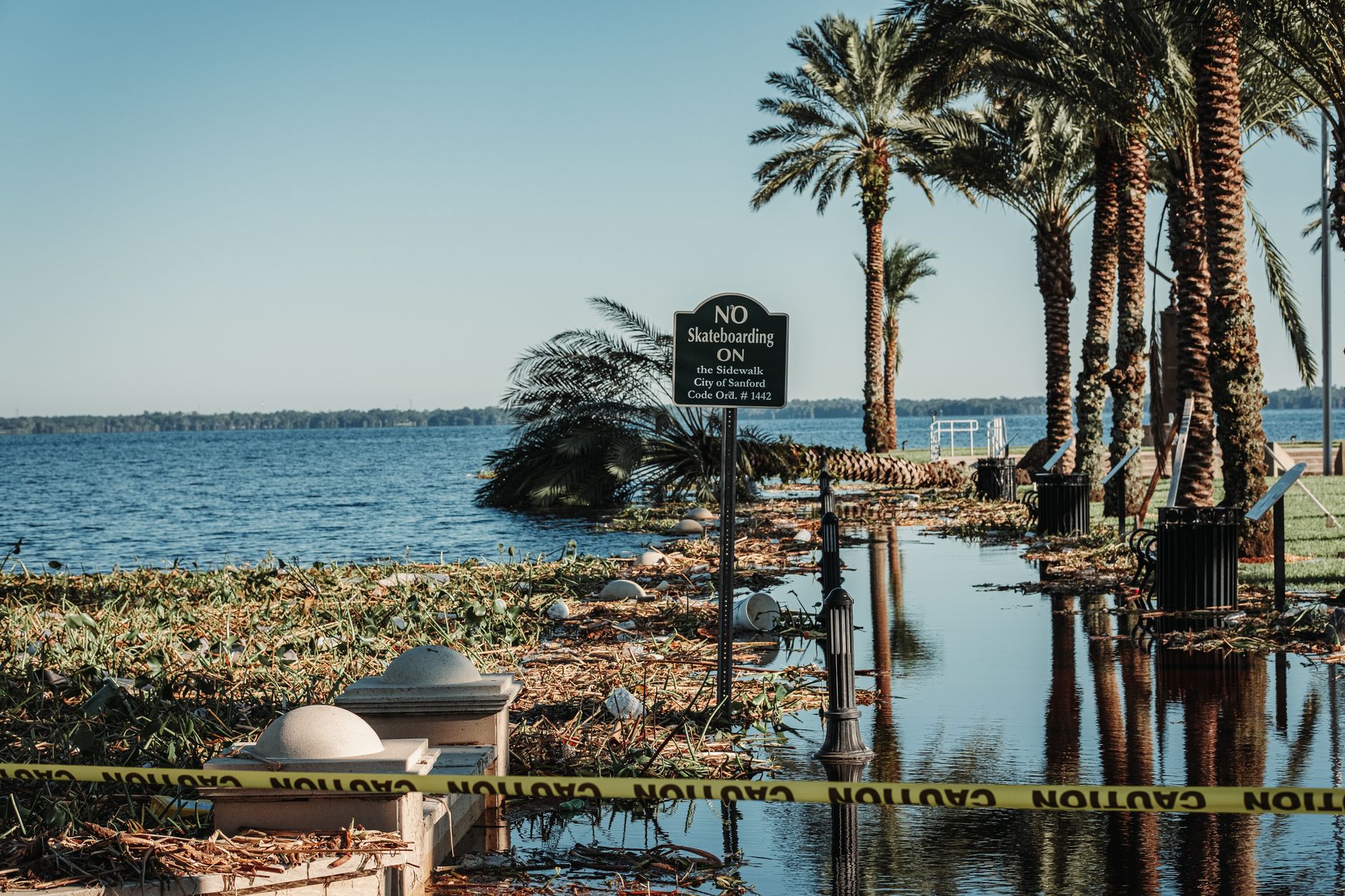
The U.S. is grappling with a series of extreme weather events, as colossal rains and flash floods devastate parts of Florida and the Southwest. In Florida, areas experienced "1,000-year" rain events, leading to a fatal plane crash and widespread emergencies. Simultaneously, Miami endured its longest streak of moderate coastal flooding on record due to king tides and strong winds. Meanwhile, an atmospheric river brought near-record moisture and flooding to the Four Corners states. Scientists indicate that record warm ocean temperatures, significantly amplified by human-caused climate change, are making such intense and frequent weather phenomena much more likely, underscoring the urgent need for climate action.
Recent days have seen parts of Florida battered by extraordinary rainfall, with some areas experiencing what are considered "1,000-year" rain events. This intense downpour contributed to a tragic Learjet crash and prompted Flash Flood Emergencies across cities like West Melbourne and Palm Bay. Similar extreme rainfalls, breaking historical records, have also been reported in parts of Mississippi and Nevada, signaling a dangerous pattern of increasingly severe weather.
Experts confirm that these torrential rains are being fueled by unusually warm ocean temperatures off Florida's coast. Analysis reveals that human-caused climate change has made these record-warm waters 10 to 100 times more probable, according to Climate Central’s Ocean Shift Index. This direct link highlights how our changing climate is intensifying weather systems, turning regular storms into devastating deluges and making our communities more vulnerable.
Florida’s troubles extend to its coasts, where Miami just endured a record-breaking 11-day stretch of moderate coastal flooding from king tides and strong onshore winds. This extended period of high water is particularly damaging, eroding beaches and dunes, and leaving little time for communities to prepare or recover. Such prolonged flooding events are becoming more frequent, adding to the cumulative strain on coastal infrastructure and ecosystems.
On the other side of the country, Southern California also faced historic coastal flooding during its October high tides, setting new water level records in San Diego and Los Angeles. These events underscore a national trend: our coastlines are increasingly at risk from rising seas and intensified weather patterns.
Further inland, the U.S. Southwest, particularly the Four Corners region, was hammered by a powerful atmospheric river. This system, drawing exceptionally warm, moisture-laden air from the Pacific, caused widespread evacuations in Arizona and shattered flood records at over ten gauges across three states. While snowpack in the San Juan Mountains offers some hope for parched reservoirs like Lake Powell, which remains critically low at just 25% of capacity, the immediate impacts have been severe.
These widespread and intense flooding events serve as a stark reminder of the escalating climate crisis. As global temperatures rise, we can expect more frequent and powerful storms, along with higher sea levels, which combine to create unprecedented challenges for communities nationwide. Addressing climate change through global action and transitioning to sustainable solutions is not just an environmental imperative; it's crucial for protecting lives, homes, and economies.