Regenerative Foods Are Everywhere. But What Do They Really Mean?

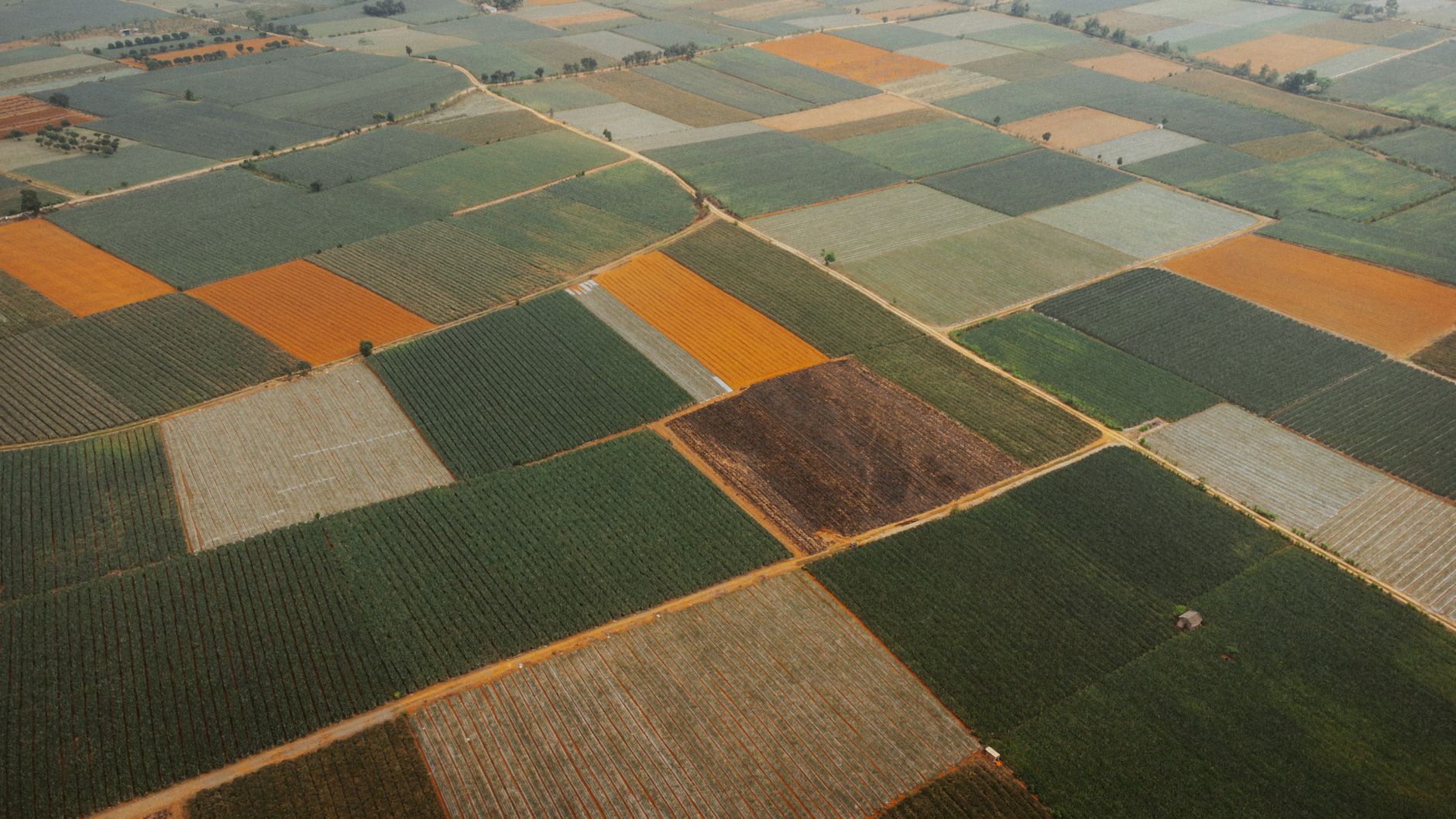
Regenerative agriculture, a farming method focused on improving soil health and biodiversity, is rapidly gaining traction in grocery stores. Products from tea to snacks now proudly bear the 'regenerative' label, reflecting a growing consumer demand for more sustainable food options. This approach aims to reduce pesticide use and enhance ecosystems, offering a promising path toward environmental healing. However, the surge in popularity also brings questions about what truly qualifies as regenerative, highlighting the urgent need for clear standards to prevent consumer confusion and ensure genuine environmental impact.
Once a niche concept, regenerative agriculture is quickly becoming a household term, championed by health-conscious consumers and major food companies alike. This innovative farming style prioritizes the land's health, using practices like reduced tilling and planting cover crops. The goal is to nurture the soil, cut down on chemical use, and boost biodiversity, creating a healthier environment and potentially more resilient food systems.
Big players like Nestlé and PepsiCo are making commitments to this approach, and the category now generates billions in retail sales. It’s seen by many as the next big shift after organic farming, offering a tangible way to help our planet. By improving soil's ability to store carbon, regenerative methods are critical in the fight against climate change, turning farms into allies for environmental protection.
However, this rapid growth comes with a catch: unlike organic products, the term 'regenerative' isn't consistently regulated at the federal level in the U.S. This lack of clear rules raises concerns about 'greenwashing,' where products might carry the label without truly adhering to practices that deliver significant environmental benefits. Consumers are increasingly wary of marketing claims, especially when these products often come with a higher price tag.
While organizations like Regenerative Organic Certified (ROC) are working to establish stricter standards, and some retailers are now requiring proof for regenerative claims, standards still vary widely. Reports from groups like the European Alliance for Regenerative Agriculture and Friends of the Earth show this variability, making it tricky for shoppers to know what they're truly getting. As we push for more sustainable solutions, it’s vital that the promises of regenerative agriculture translate into real environmental progress, ensuring trust and genuine planetary care.