Renewables Just Beat Coal in an important metric

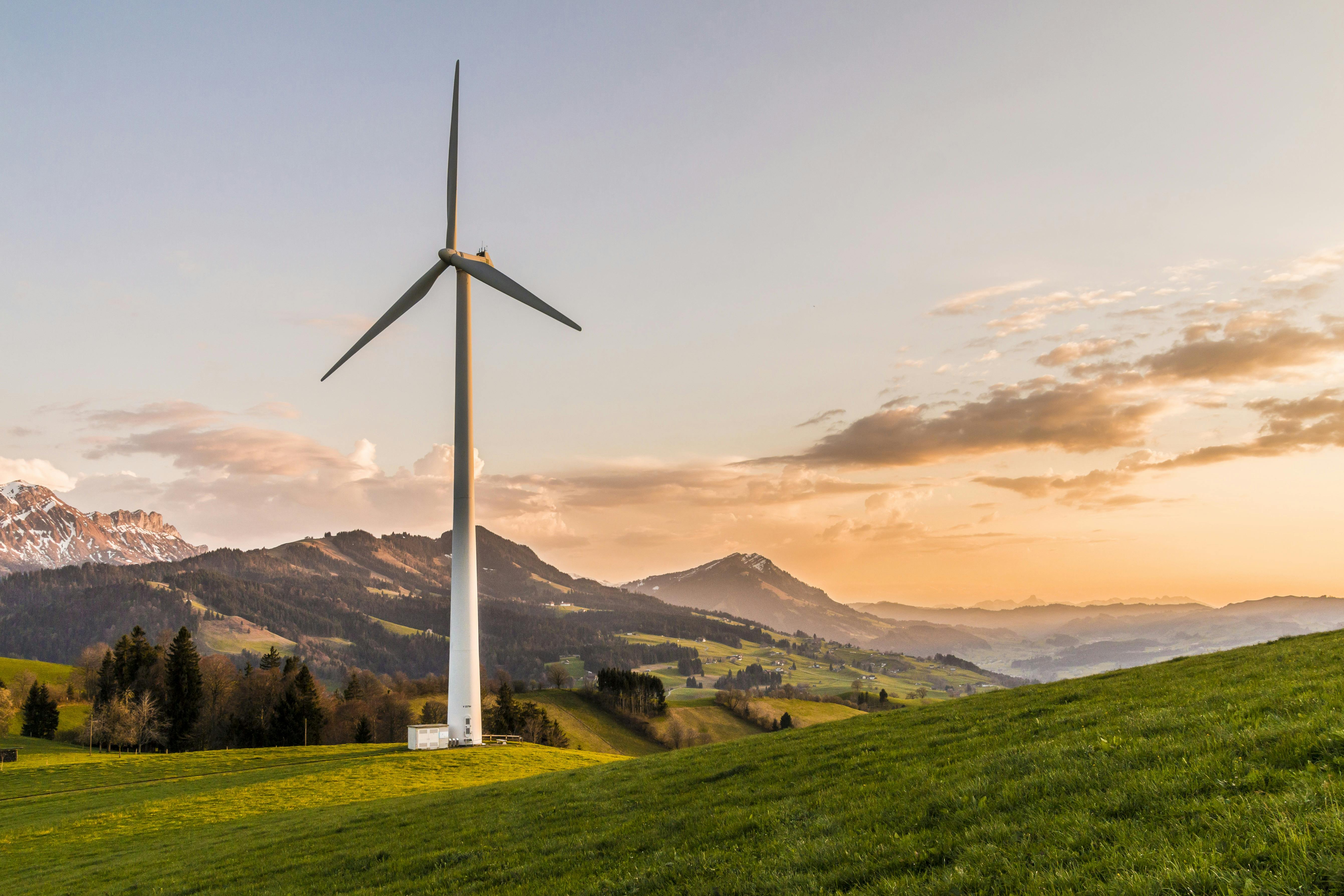
For the first time on record, renewable sources produced more electricity than coal in the first half of 2025, a milestone highlighted by Ember’s mid-year analysis and corroborated by independent coverage from Reuters. The gains were driven largely by solar and wind growth in China and India, which more than covered global demand increases. Yet progress isn’t uniform: the IEA’s new outlook trims its global forecast and cuts the U.S. growth projection by nearly half amid policy rollbacks. The result is a split-screen picture—renewables advancing worldwide while key Western markets wobble—suggesting a fragile but real turning point. For context, see New York Times coverage.
Renewables have crossed a symbolic threshold. In the first six months of 2025, wind, solar and other renewable sources together generated more electricity than coal. China and India did much of the heavy lifting, rapidly adding solar and wind capacity while cutting fossil generation. Put simply, clean power not only grew—it grew fast enough to meet rising electricity demand without leaning on coal.
The numbers are striking and concrete. Analysts tally global renewable generation at roughly 5,072 TWh in the first half of the year, ahead of coal’s ~4,896 TWh. Solar alone supplied most of the demand growth, with wind adding another sizable chunk. That mix nudged renewables’ share of the global electricity pie above coal’s—an inversion of the long-standing order that made coal the world’s top source of power.
But this milestone sits next to an uncomfortable caveat: policy matters, and it can swing the outlook sharply. In its latest five-year assessment, the International Energy Agency lowered its global renewable growth forecast compared with last year and, more dramatically, revised the U.S. trajectory down by nearly 50 percent, citing the early phase-out of tax credits, import rules and permitting constraints. In contrast, India’s policies and project pipeline continue to accelerate, while China’s sheer scale still dominates additions despite evolving market reforms.
The first-half data also show how uneven 2025 has been. Fossil generation rose in the United States and the European Union due to stronger demand and weaker wind and hydro, even as China and India cut back. That divergence doesn’t erase the global signal: clean power is increasingly capable of covering growth. It does, however, underline that markets with policy headwinds can still backslide in the short term.
Is this a true tipping point? One data point doesn’t guarantee a permanent change. Hydro conditions, weather and policy whiplash can all move the needle quarter to quarter. Still, the direction of travel is clear: when solar and wind keep scaling, they begin to cap—and eventually shrink—coal’s role. As one Ember analyst put it, we’re seeing the first signs of a crucial turning point. Keeping that momentum will depend on grids that can absorb variable generation, faster permitting, stable incentives and the build-out of storage and flexible demand. The next few years will show whether 2025’s milestone was an outlier—or the new normal.