Reno faces urgent wildfire threat: 90,000 residents flee homes

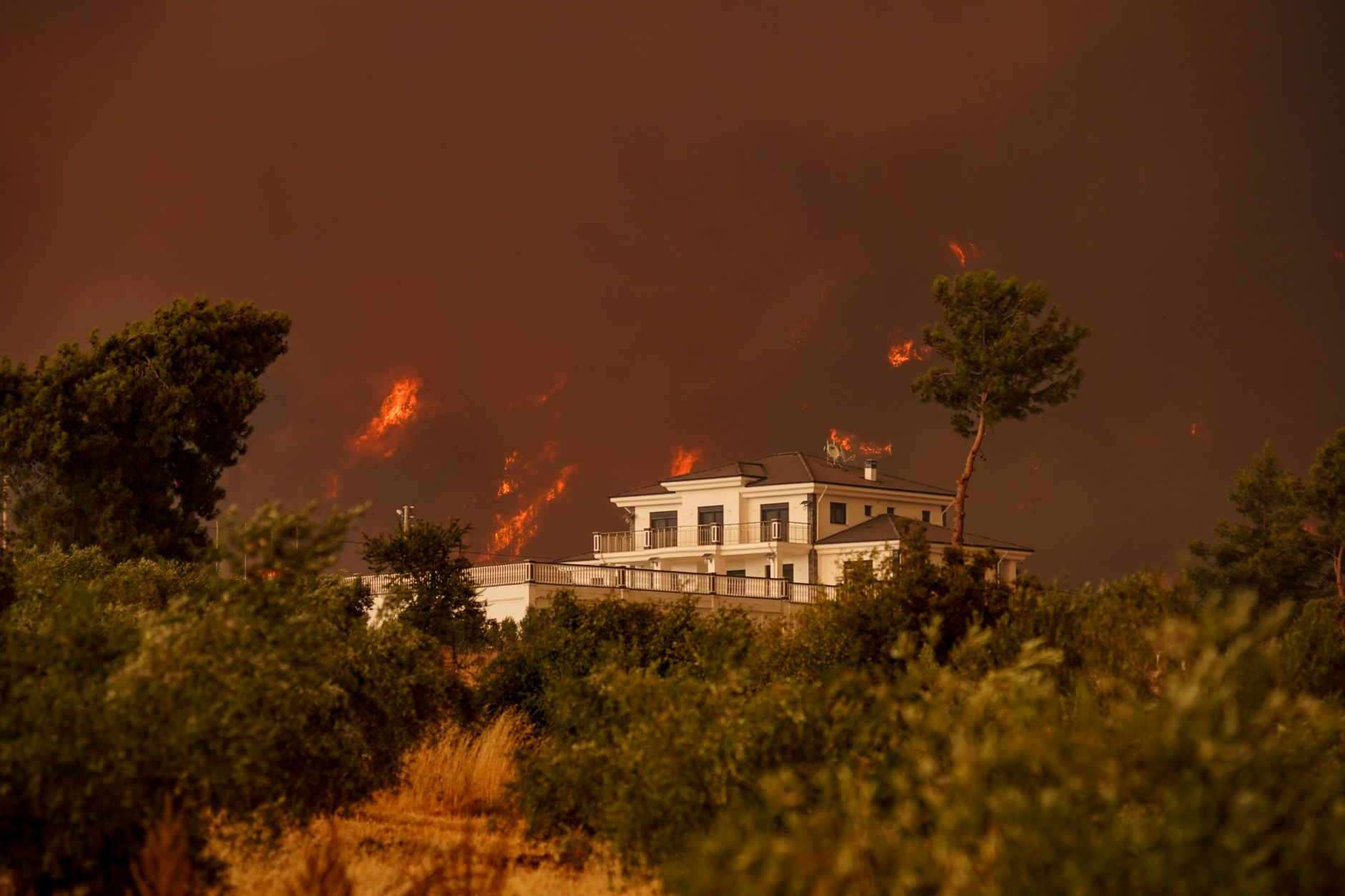
A fast-moving wildfire, dubbed the Hawk fire, has sparked urgent evacuations for over 90,000 residents on the outskirts of Reno, Nevada. The blaze has already consumed some homes and threatens densely populated neighborhoods as shifting winds pose an unpredictable danger. This incident marks the third significant human-caused fire in the region in just two weeks, underscoring the severe and escalating wildfire risk exacerbated by extreme drought conditions across the American West. The growing frequency and intensity of such events highlight the critical need for climate action and sustainable practices.
The Hawk fire, which ignited on Saturday, rapidly expanded to cover more than 23 square miles by Sunday, reaching areas just a few miles from Reno’s urban edge. With 0% containment, firefighters are working tirelessly to prevent the flames from jumping a key highway and engulfing homes and businesses. This harrowing situation has forced schools to close and left many residents scrambling to gather belongings, recalling the chaos of other recent wildfires.
Officials have confirmed the fire was human-caused, though details are still emerging. What is clear is the devastating impact: some homes have been lost, and six people, including first responders, have suffered injuries. The stressful experience of fleeing with little notice is becoming increasingly common for communities facing these intense blazes.
This wildfire is not an isolated event but part of a disturbing pattern. It's the third major human-caused fire in the Reno area in the last fortnight, occurring amid exceptionally dry conditions gripping the entire Western U.S. Nationwide, over 50,000 wildfires have occurred this year, making it the most active fire season in a decade. This alarming trend serves as a stark reminder of the urgent need to address global warming and promote sustainable land management. Every action taken to combat climate change and protect our environment becomes critical in reducing the frequency and intensity of such destructive events.