Reno's winters are vanishing: What's behind the 41-day delay?

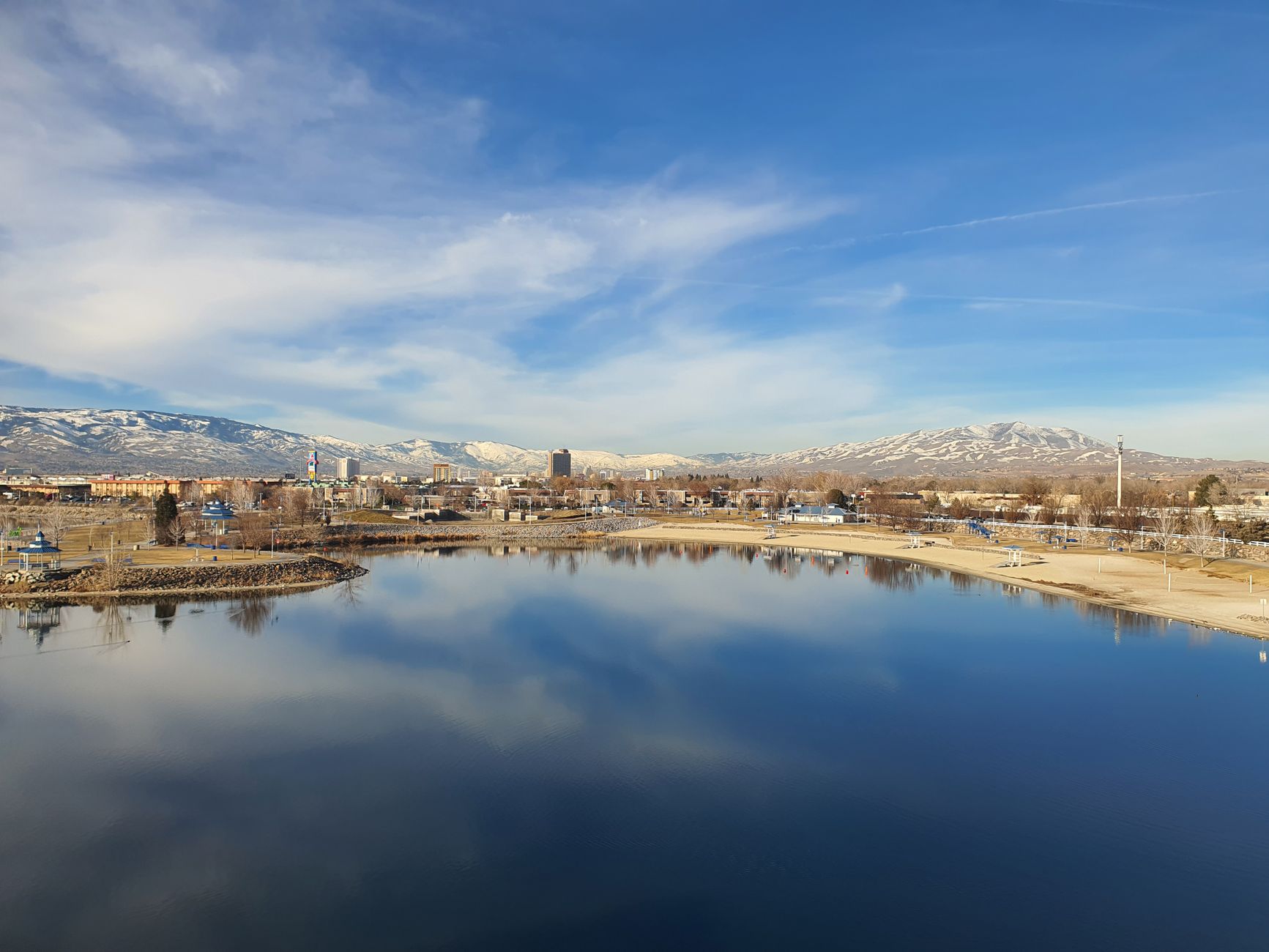
Reno, Nevada, a city known for its vibrant character, is experiencing a dramatic shift in its climate as winters begin much later than ever before. Latest data shows the city's first fall freeze now occurs an astonishing 41 days later on average compared to 1970, the most significant delay among over 200 U.S. cities studied. This alarming trend is a clear indicator of the rapid local impact of global warming, further intensified by the city's expanding urban footprint. It underscores a pressing need for attention to our changing environment.
The “Biggest Little City in the World,” Reno, is facing some of the most significant climate changes, particularly concerning its winter season. Recent observations highlight this trend, with last fall's temperatures staying above freezing until November 19th, marking the city's latest recorded fall freeze.
Further research by the nonprofit Climate Central reveals a more extensive pattern: Reno's first fall freeze is now happening, on average, 41 days later than it did in 1970. This represents the longest delay identified across more than 200 U.S. cities analyzed, painting a vivid picture of rapid environmental transformation. Climate Central
Nevada's state climatologist, Baker Perry, confirms that this significant shift is a clear pattern driven by two main factors. Firstly, global warming is playing a crucial role, altering weather patterns worldwide. Secondly, Reno's swift urban development, with its growing expanse of concrete and asphalt, significantly contributes to the problem. These hard surfaces absorb and retain more heat from the sun, making the city notably warmer than its surrounding natural landscapes – a phenomenon known as the urban heat island effect.
This combination of global climate change and local development means that human activities are contributing to Reno's warming climate in multiple ways. While nearby rural areas like Winnemucca and Boca Reservoir also show a delay in their first fall freeze, it's a much smaller shift of about two weeks. This contrast highlights the distinct impact of urban growth. Understanding these interconnected causes is vital for addressing climate change effectively and promoting sustainable city planning, ensuring our communities can adapt to and mitigate the urgent environmental challenges ahead.