Restaurant Kitchens: The Hidden Health Threat Many Don't Know

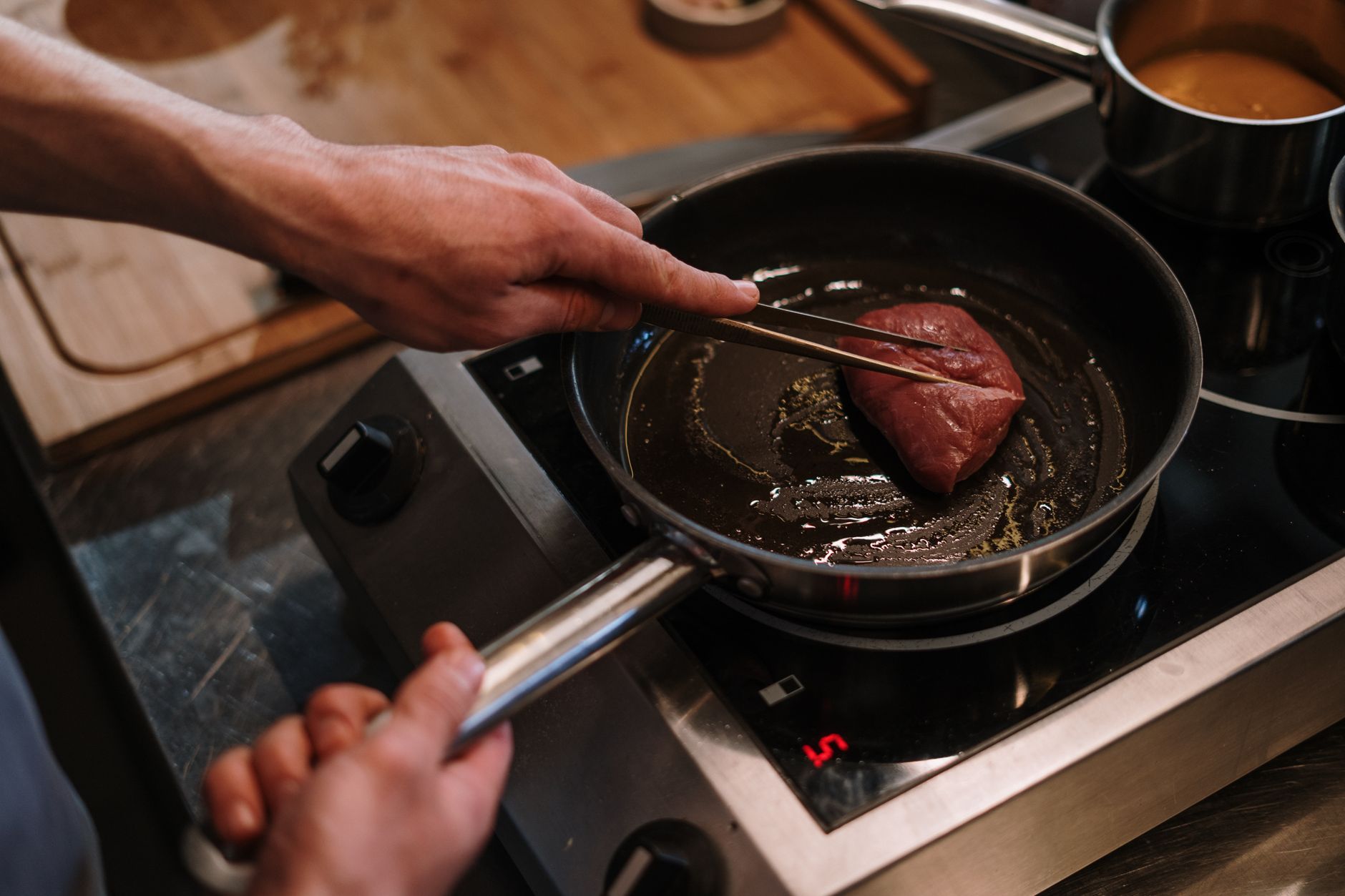
A recent study reveals a hidden danger lurking in many restaurant kitchens: gas stoves. Research led by California experts found that these appliances expose food service workers to alarming levels of air pollution, including lung-irritating nitrogen dioxide and cancer-causing benzene, alongside extreme heat. While electric kitchens showed no such issues, the findings underscore significant health risks for millions of workers. This critical insight highlights the urgent need for cleaner, sustainable cooking solutions to protect those preparing our food and reduce our reliance on fossil fuels.
New research from PSE Healthy Energy and Stanford University paints a concerning picture of conditions inside commercial kitchens using gas stoves. Their study, published in Environmental Research Letters, monitored 27 kitchens and found that 70% of those with gas appliances exposed workers to nitrogen dioxide levels above federal health benchmarks. Furthermore, nearly 70% of these gas-fired kitchens reached temperatures exceeding 90 degrees Fahrenheit, a level considered unsafe under proposed federal guidelines.
The air in these kitchens contained a mix of harmful contaminants, including carbon monoxide and benzene—a known carcinogen—often spiking far beyond acceptable hourly limits. Surprisingly, the highest pollution levels often occurred overnight. Researchers discovered that constantly burning pilot lights continued to release fumes long after staff went home and ventilation systems were turned off, allowing dangerous gases to accumulate silently.
In stark contrast, the study found no excessive pollution or extreme heat in any of the fully electric kitchens. This difference is largely because induction stovetops use magnetic fields to heat cookware directly, rather than wastefully radiating heat into the entire room like gas flames. Switching to electric not only creates a significantly safer and cooler environment for workers but also moves us away from burning fossil fuels, which contribute to both indoor air pollution and broader climate change.
Despite these clear benefits, the shift to electric cooking faces hurdles, including initial costs and traditional preferences. However, chefs like Christopher Galarza, who helped design the study, advocate for electric kitchens, emphasizing their precision, efficiency, and the immediate health improvements for staff. His own experience, moving from feeling lightheaded and sick in gas kitchens to embracing a cleaner, cooler electric setup, showcases a path forward for an industry vital to our economy but often hidden from the public eye.