Retailers Issue Ultimatum: Europe's Fish Stocks At Risk

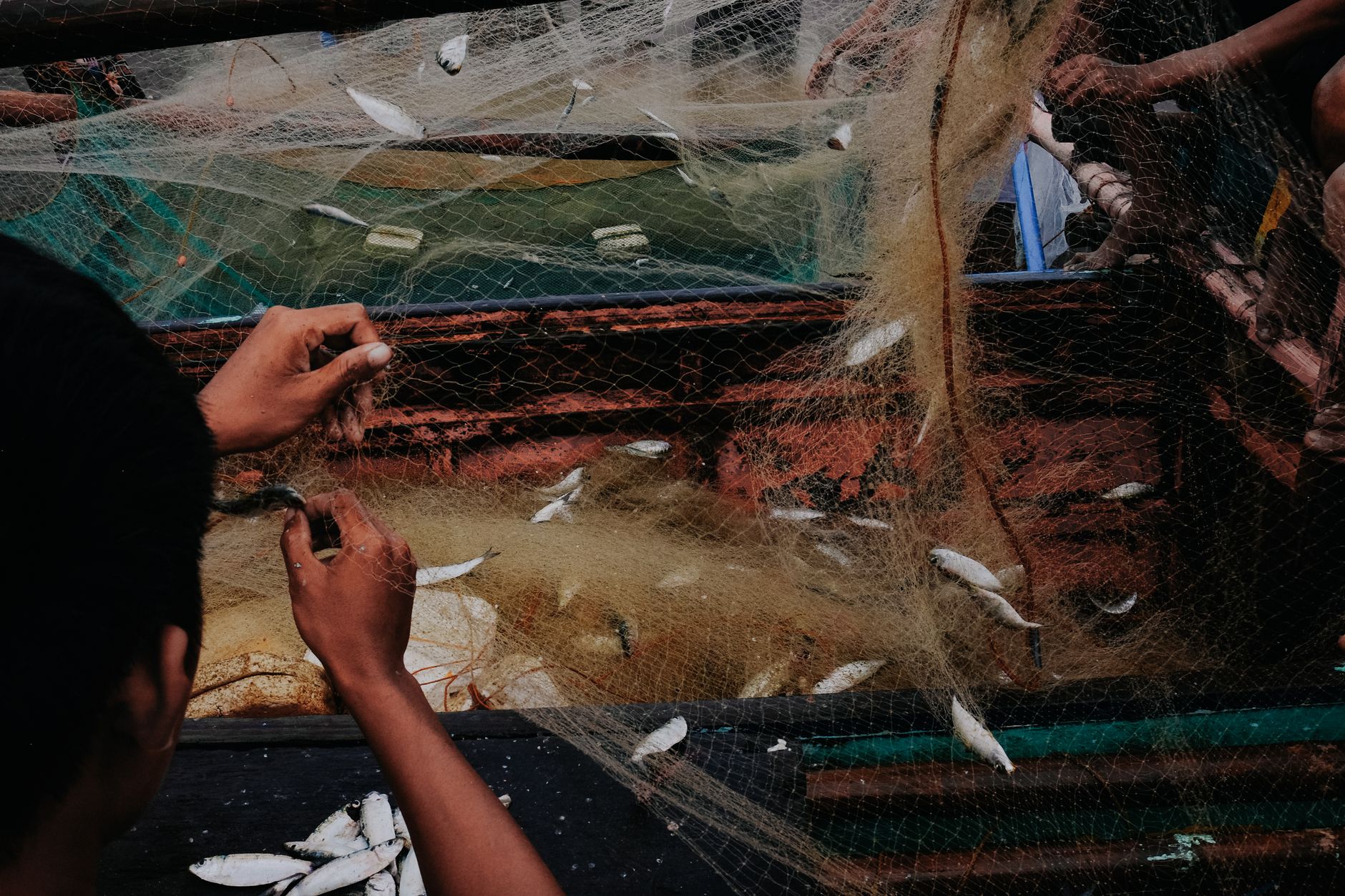
Europe's valuable fish stocks are in such a precarious state that major seafood retailers are now warning the fishing industry to curb overfishing. Despite new scientific advice suggesting an increased catch limit for mackerel, a coalition of 58 businesses, including top supermarkets, argues that years of unchecked fishing could push these populations below safe levels. This urgent call highlights the critical need for sustainable management to prevent further environmental damage to marine ecosystems and ensure long-term seafood availability.
Some of the world’s largest seafood businesses have issued a stark warning to Europe’s fishing industry: stop overfishing or risk losing access to their markets. This comes even after the International Council for the Exploration of the Sea (ICES) published its annual mackerel report, suggesting the maximum sustainable yield for mackerel could be over 350,000 tons – more than double last year’s recommendation. However, industry leaders are concerned about ongoing overfishing.
The North Atlantic Pelagic Advocacy Group (NAPA), representing retailers like Aldi, Sainsbury’s, Tesco, and Cargill, stated in a press release that “care is needed as the stock is still in a precarious position.” They warn that even if the new, higher catch limit is respected, there's still a 33 percent chance that mackerel populations could fall below safe biological limits within a year. This critical situation is largely due to years of bitter disagreements over fishing quotas among nations like Norway, Iceland, the Faroe Islands, Greenland, the U.K., the E.U., and Russia, leading to excessive catches.
Since 2014, mackerel stocks have plummeted by over 10 million tons. Between 2020 and 2024, agreed catch limits were, on average, 39 percent higher than scientific advice. This consistent disregard for expert recommendations is why adhering to the 2027 ICES advice would effectively mean an 11 percent *cut* to actual catches, highlighting the severe overexploitation.
Some retailers are already taking action. Earlier this year, Waitrose removed mackerel from its British shelves to protest overfishing, and Lidl switched to different species. NAPA warns that without effective long-term management, businesses and consumers will eventually move on, causing significant harm to the fishing industry and coastal communities.
Beyond mackerel, ICES also increased catch advice for herring (up 10%) and blue whiting (up 25%). However, NAPA cautions against complacency for herring due to concerning trends and notes that sustainability certifications for blue whiting are ending. Climate change is also altering fish distributions, making adaptive management plans crucial, as highlighted by the Marine Stewardship Council. The MSC has even suspended sustainability certification for all North-East Atlantic mackerel fisheries since 2019, emphasizing that the collapse of these stocks would be disastrous for marine ecosystems.
In the U.K., mackerel is the most heavily caught species, yet news of increased catch advice was met with skepticism online by fishermen who report a decades-long decline. With key meetings approaching in two weeks and a full summit in November, the fishing nations face a deadline to agree on a binding, long-term management plan. Retailers have drawn a line in the sand, stressing that political leaders must treat scientific advice as a minimum for responsible management, not a target to push against, to protect our oceans and their precious resources.