Rising Heat's Silent Threat: Do You Know the Key Signs?

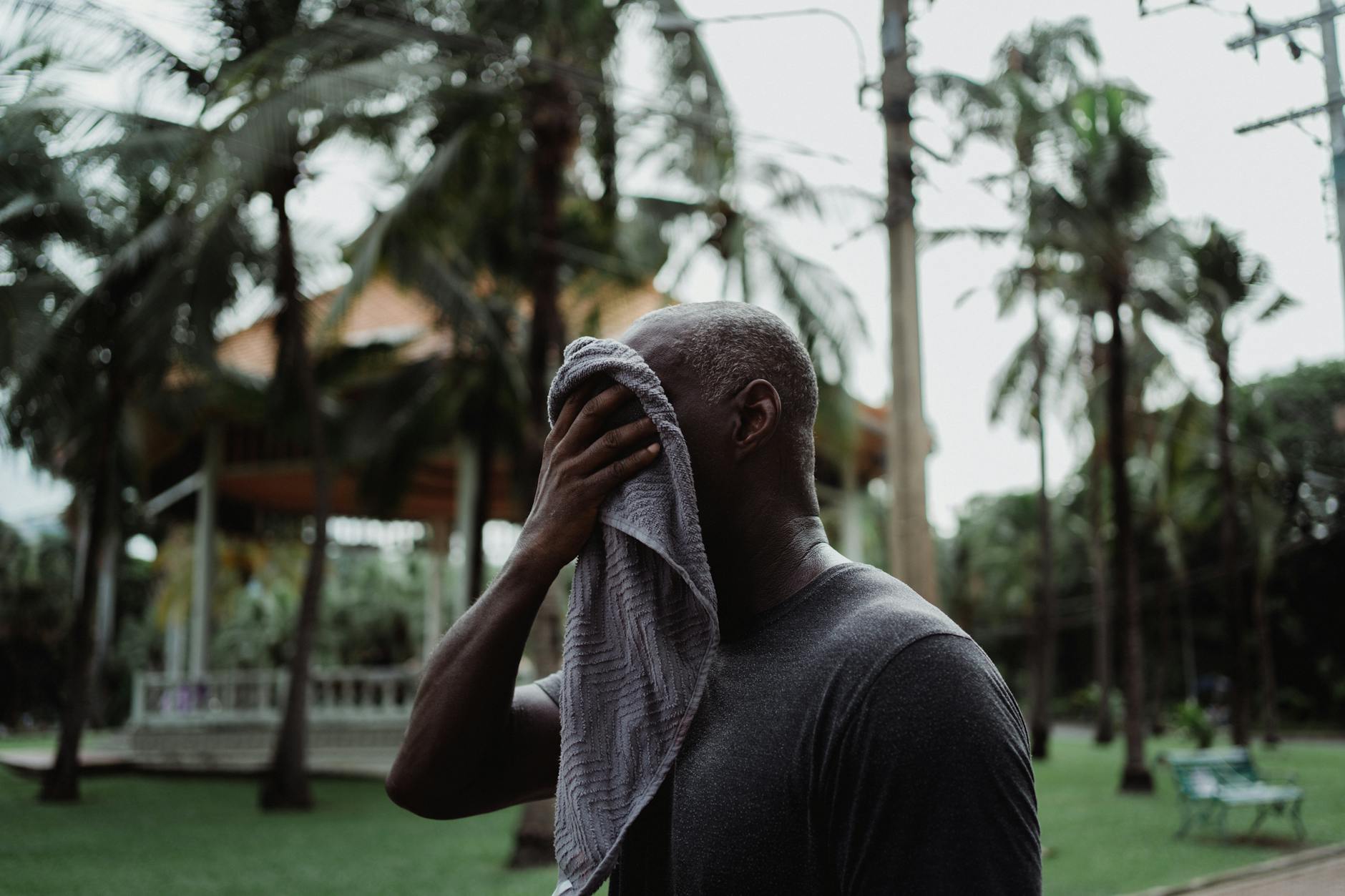
As our planet warms, extreme heat events are becoming more frequent and intense, posing a significant, often overlooked, danger. Heat-related illnesses like heat exhaustion and heatstroke can be deadly, claiming more lives in the U.S. annually than hurricanes and floods combined, according to Weather.gov. Understanding the signs and knowing how to act are crucial steps in protecting ourselves and our communities. Proactive measures are essential to stay safe as global temperatures continue to climb.
When your body gets too hot, it can lead to serious conditions like heat exhaustion or, even worse, heatstroke. These are not just uncomfortable; they can be life-threatening. With climate change fueling hotter summers, knowing how to recognize and respond to these conditions is more important than ever.
Heatstroke is a medical emergency. Signs include a body temperature of 104°F (40°C) or higher, fainting, confusion, a rapid, strong pulse, dizziness, and skin that feels hot to the touch—it might be red, dry, or damp. Nausea or vomiting can also occur. If you suspect someone has heatstroke, call 911 immediately. While waiting for help, move the person to a cooler, shaded area and try to cool them down with wet cloths or a cool bath. Do not force them to drink liquids, as advised by the CDC.
Heat exhaustion is less severe but can progress to heatstroke without proper care, as noted by the Mayo Clinic. Its symptoms include heavy sweating, cold, pale, clammy skin, a fast and weak pulse, nausea or vomiting, muscle cramps, tiredness, dizziness, headache, and fainting. If you experience heat exhaustion, move to a cool, shaded spot, loosen your clothing, cool yourself with wet cloths or a bath, and sip water. Seek medical help if symptoms worsen, you start vomiting, or they don't improve within an hour.
Staying safe during a heatwave is key to our collective well-being in a changing climate. Always drink plenty of water and avoid caffeine. Wear loose, light-colored clothing. Limit outdoor activities during the hottest parts of the day, and take frequent breaks in the shade if you must be outside. For many, air conditioning is a lifeline. If you don't have it, seek refuge in air-conditioned public spaces like libraries or designated cooling centers. Some communities even offer programs for temporary housing, like hotel rooms, during extreme heat, highlighting how crucial adaptation is becoming, as reported by the New York Times. Protecting yourself and others from heat-related illness is a vital part of adapting to the impacts of a warming world.