Rivian's Multi-Million Bet: This Tech Will Change EV Making

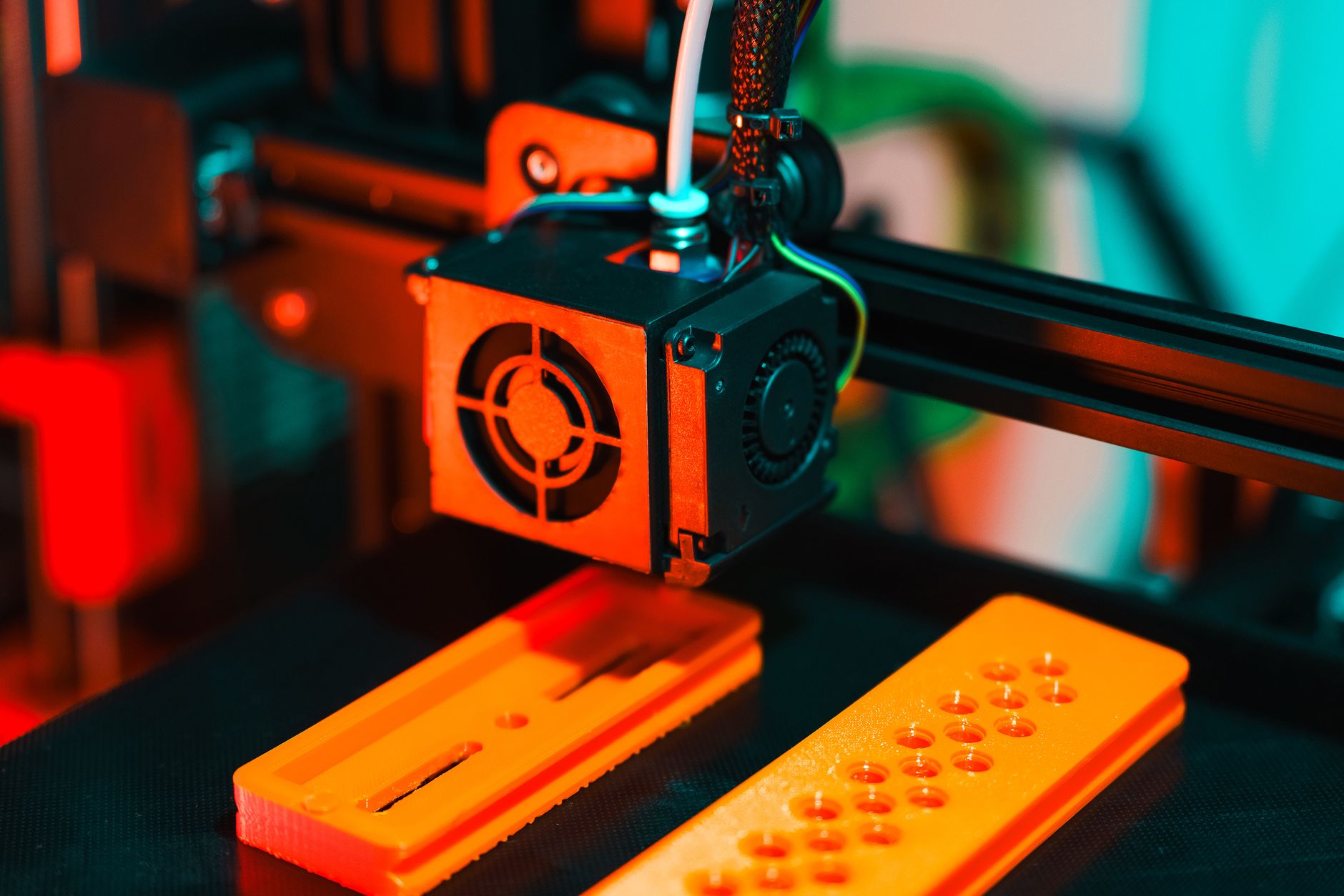
Electric vehicle manufacturer Rivian is making a significant push into 3D printing, investing over $5 million in advanced machines. This innovative technology is rapidly transforming how the company develops and produces its vehicles, making the process faster and more cost-effective. By embracing additive manufacturing, Rivian can create prototypes in days instead of weeks, cutting down on traditional supplier costs and logistics. This strategic move not only streamlines EV development but also underscores the relentless pursuit of efficiency critical for advancing sustainable transportation.
Rivian, a leading electric vehicle innovator, is heavily investing in 3D printing, also known as additive manufacturing, to revolutionize its design and production processes. The company has already poured over $5 million into acquiring 3D printers and spends roughly $1.7 million annually on raw materials. This cutting-edge approach allows Rivian to create tangible prototypes for parts like the R2's steering wheel and electric motor components much faster and cheaper than traditional methods, which rely on external suppliers and expensive stamping equipment. By embracing these efficiencies, Rivian is accelerating the development of cleaner transportation solutions, bringing electric vehicles to market with unprecedented agility.
Jared Beck, Rivian's head of additive manufacturing, stated to CNBC that the company plans to make 3D printing accessible across all its operations, a process he calls "democratizing." Currently, small-scale operations are underway in Detroit, and plans are in motion to install a new bay of machines at its main factory in Normal, Illinois. This expansion will enable engineers to print parts on demand, dramatically reducing development cycles from weeks to mere days or even hours. Such rapid iteration is crucial for refining electric vehicle designs, ensuring they are both efficient and sustainable.
The financial benefits are substantial; Beck noted that cost savings have been "well in the millions" compared to conventional prototyping. Beyond the significant monetary advantages, the real game-changer is speed. By producing parts in small batches on-site, Rivian can drastically lower supplier tooling costs and logistics expenses. This internal capability not only boosts efficiency but also minimizes waste associated with complex supply chains, contributing to more sustainable manufacturing practices.
Rivian isn't alone in recognizing the power of additive manufacturing. Other major automakers like Tesla, Ford, and General Motors are also integrating this technology into their operations. Over the past decade, 3D printing has become significantly more affordable, smaller, faster, and precise, making it a viable and impactful tool for both large corporations and small innovators. This widespread adoption of advanced manufacturing techniques is key to driving innovation in the automotive industry, especially as the world transitions towards a more electric and sustainable future.