Roan Plateau Protections Unravel: What Does it Mean for Colorado?

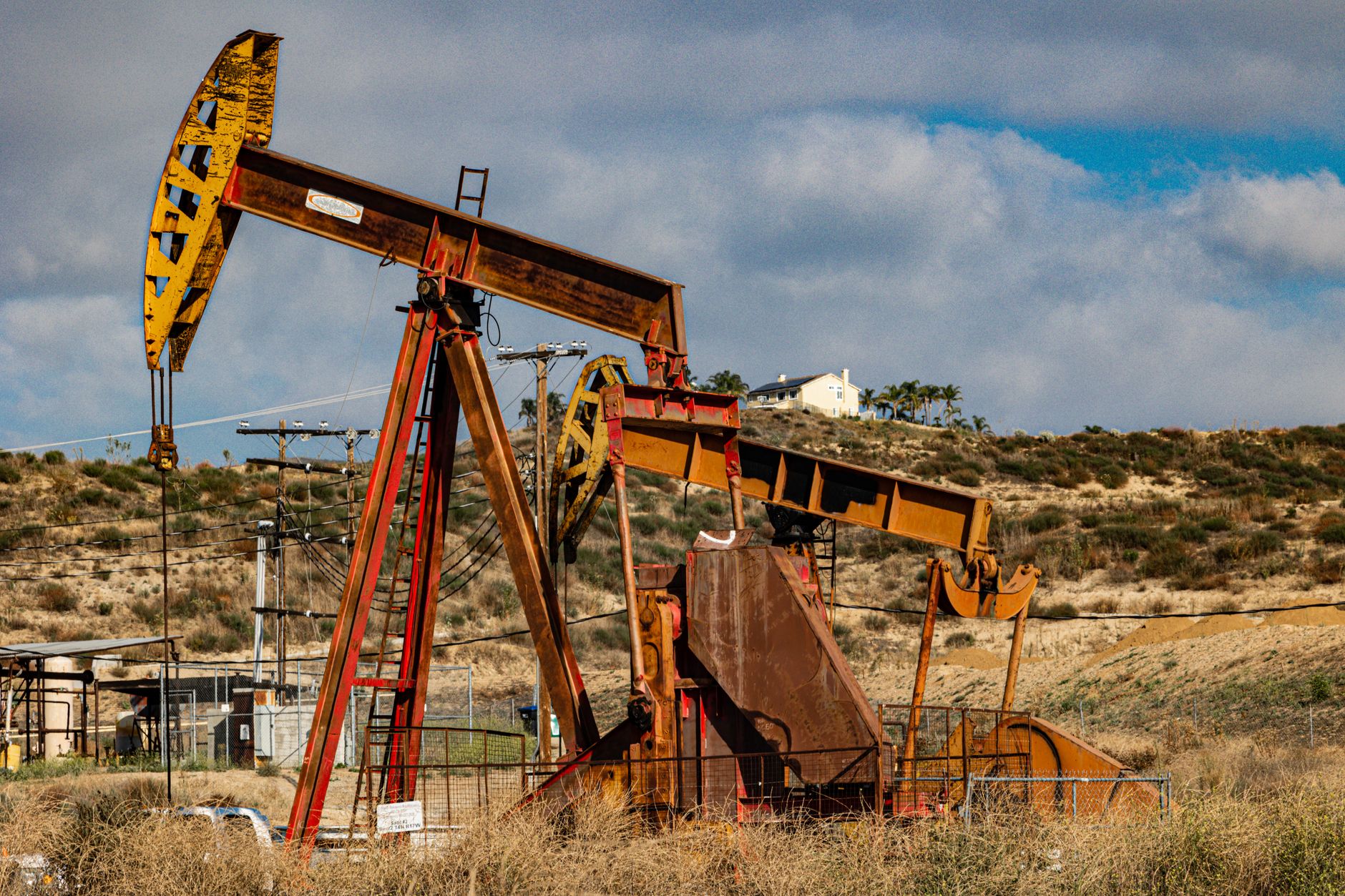
A decade after a landmark agreement safeguarded much of Colorado's Roan Plateau from extensive gas drilling, those hard-won protections are now at risk. A new federal push, driven by recent legislation, aims to open more public lands for fossil fuel extraction, reversing a previous settlement. This move reignites concerns among conservationists, hunters, and local communities who fear for the plateau's unique wildlife and pristine waters. The looming auction underscores a broader challenge to environmental safeguards on public lands nationwide amidst escalating climate change impacts.
In 2014, a celebrated settlement between federal agencies, energy companies, and conservation groups seemed to secure about 90 percent of Colorado's Roan Plateau from new gas drilling. This agreement, reached after years of protests and lawsuits, canceled many controversial leases and imposed strict conditions on the few that remained, reflecting a broad local consensus to protect this special place.
Now, under a new administration, these safeguards are being challenged. A federal law passed in 2025, the “One Big Beautiful Bill Act,” mandates quarterly oil and gas lease sales on public lands, significantly limiting the government's ability to protect sensitive areas. This December, parcels atop the Roan Plateau will be offered for lease, potentially undoing years of effort to preserve its natural beauty and ecological value.
The Roan Plateau is a critical natural treasure, home to “Outstanding Waters” where rare, genetically pure Colorado River cutthroat trout thrive. Its lush alpine meadows and forests provide essential migration corridors and habitat for vast herds of mule deer and elk, making it a cornerstone of Colorado's wildlife. Unchecked drilling would threaten these delicate ecosystems through habitat destruction, noise pollution, increased traffic, and altered water quality, impacting species already vulnerable to a changing climate.
New oil and gas development here would proceed under a management plan written over a decade ago, unable to incorporate up-to-date scientific findings. For instance, a 2017 study highlighted the negative impacts of energy development on animals like deer and elk. This reliance on outdated information means modern understanding of environmental protection and wildlife needs cannot be fully applied, compounding the risks as our planet faces accelerating climate change and unprecedented challenges like record low snowpack.
This situation highlights the urgency of protecting our natural spaces and transitioning towards sustainable energy solutions. Expanding fossil fuel extraction on public lands not only directly harms vital ecosystems but also accelerates global warming, undermining collective efforts to secure a healthier future. Without robust, lasting protections, the Roan Plateau's fate could set a concerning precedent for public lands across the West, where local voices and scientific evidence are increasingly sidelined.