Robotaxi Rollout: The Secret Behind Tesla's Slow Pace

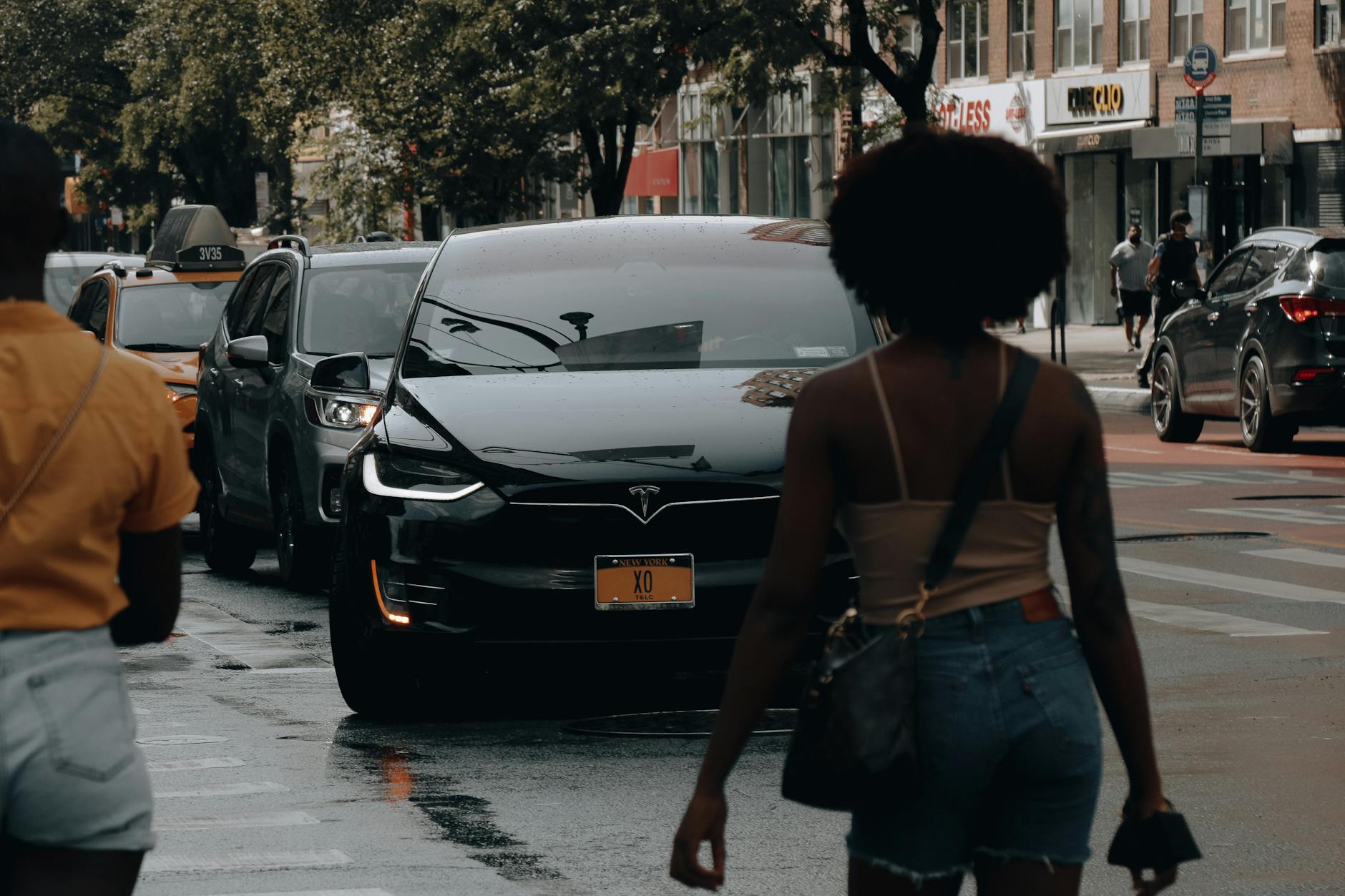
Many have noticed Tesla's Robotaxi fleet isn't expanding as quickly as expected, but CEO Elon Musk has clarified the strategy. During a recent earnings call, Musk emphasized the company's paramount commitment to safety, aiming to prevent any harm to people or even pets. He noted that while conventional car accidents often go unnoticed, a single incident involving a Robotaxi would draw global scrutiny and regulatory backlash. This cautious approach, supported by an impressive safety record of 380,000 unsupervised miles without incident, also allows Tesla to prove its software works broadly across many cities, not just one. Despite calls for faster growth, Tesla prioritizes methodical expansion to ensure trust and reliability for this significant leap in sustainable transportation.
Tesla’s much-anticipated Robotaxi service isn’t growing as fast as some might expect, but CEO Elon Musk has a clear reason why. During a recent earnings call, Musk explained that the company is moving slowly and carefully to prevent any accidents, even minor ones involving pets. He highlighted that while thousands of traditional car accidents happen daily without much notice, a single incident with a Robotaxi would instantly become a global headline, inviting intense regulatory scrutiny and potentially halting their progress. This cautious strategy prioritizes public safety above all else.
Musk stressed that Tesla does not want to cause harm to anyone. The company understands the immense pressure and public interest surrounding autonomous driving. To date, Tesla's internal data shows an impressive safety record, with its Robotaxi fleet driving over 380,000 miles without direct human supervision or any incidents. This exemplary performance underscores their commitment to making sure the technology is truly ready.
Furthermore, Tesla's AI Vice President, Ashok Elluswamy, shed light on another reason for the strategic rollout. Instead of saturating one city with hundreds of vehicles, Tesla is intentionally expanding its service to several cities across different states. This approach aims to prove that their autonomous driving software is universally capable and adaptable to various environments, rather than just being optimized for a single location. It’s about building a robust and reliable foundation for a future where clean, automated transport is commonplace.
Despite investor eagerness for rapid expansion, Tesla maintains that there’s no price on safety or the long-term reliability of this innovative, electric transportation solution. This deliberate, step-by-step method is essential for ensuring that the future of self-driving cars is safe, trustworthy, and ultimately beneficial for everyone, contributing to greener cities and less traffic.