Rome's Tiber Reveals a Hidden Past Amidst Water Crisis

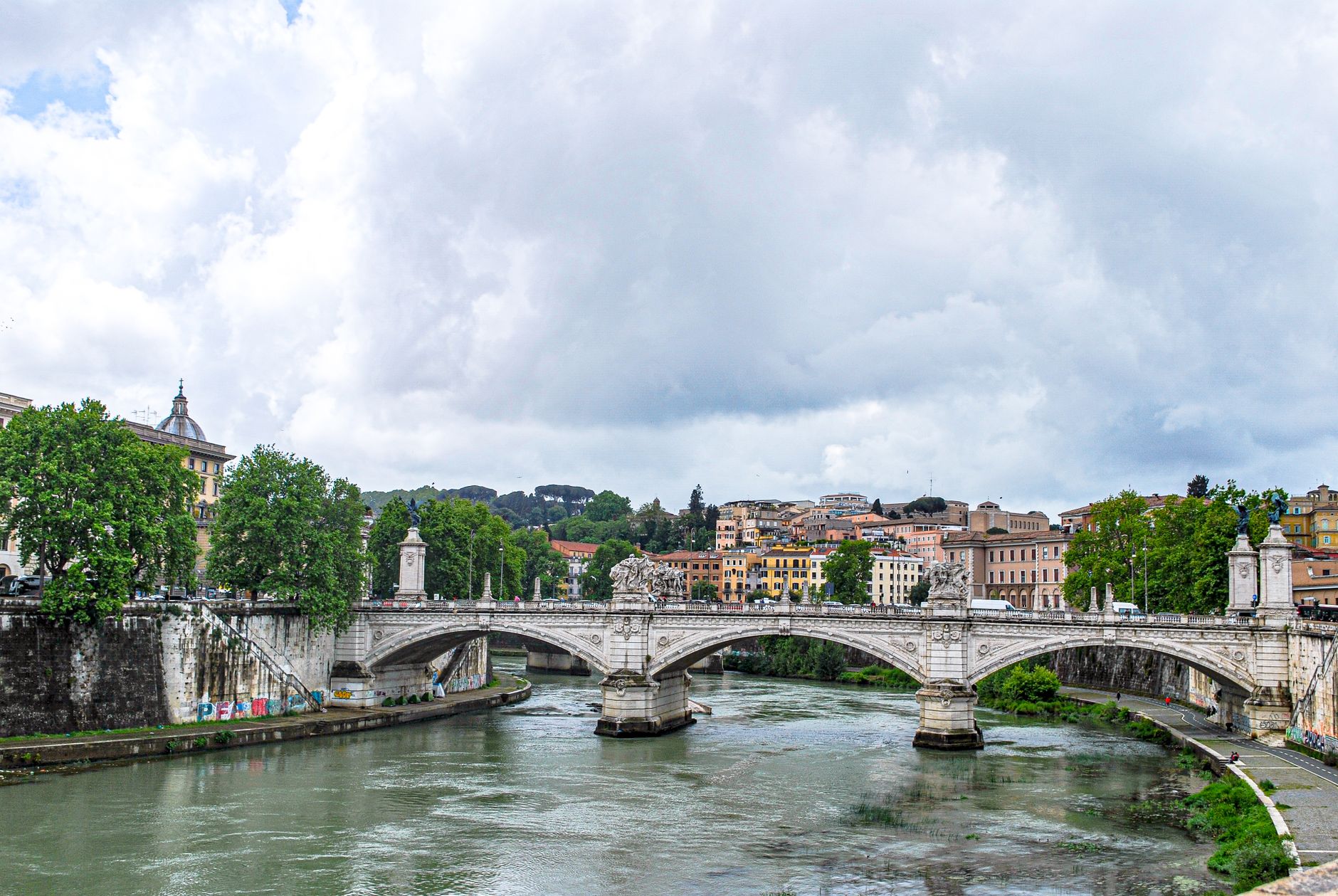
Rome is grappling with a severe water crisis, as weeks of minimal rainfall have caused the Tiber River to recede dramatically. This unusual dry spell has unveiled the ancient remains of Nero's Bridge, a centuries-old structure near St. Peter's Basilica that once connected the city center. The emergence of this historical artifact highlights the growing urgency of global warming, as extreme weather patterns directly impact essential resources and expose vulnerabilities. This event serves as a stark reminder of how climate change is reshaping our world, revealing the past while challenging our future.
The sight of Nero's Bridge, believed to be even older than the emperor himself—possibly built by Caligula around 39 AD—has captivated onlookers. It stands as a testament to Rome's rich history, now exposed due to remarkably low water levels in the Tiber. The river's flow has dropped to about half its typical July average, a significant concern for the city.
Experts like Giovanni Giganti from Rome's civil protection service confirm the city is in a "major water crisis." While Rome saw abundant rainfall last winter, the subsequent long dry periods have been devastating. This pattern of intense, short rainfall followed by prolonged drought is increasingly common and is a clear sign of our changing climate.
Such events underscore the critical need for immediate environmental action and sustainable solutions. Preserving our planet's natural balance is not just about protecting ecosystems; it's about safeguarding essential resources like fresh water for communities worldwide. Electrification and other clean technologies offer a path forward, helping us reduce our reliance on fossil fuels that drive these destructive weather changes. Protecting our environment ensures a more stable and secure future for everyone, reminding us that every drop of water, and every step towards sustainability, truly matters.