Sacramento River's salmon eggs face a dire [survival test].

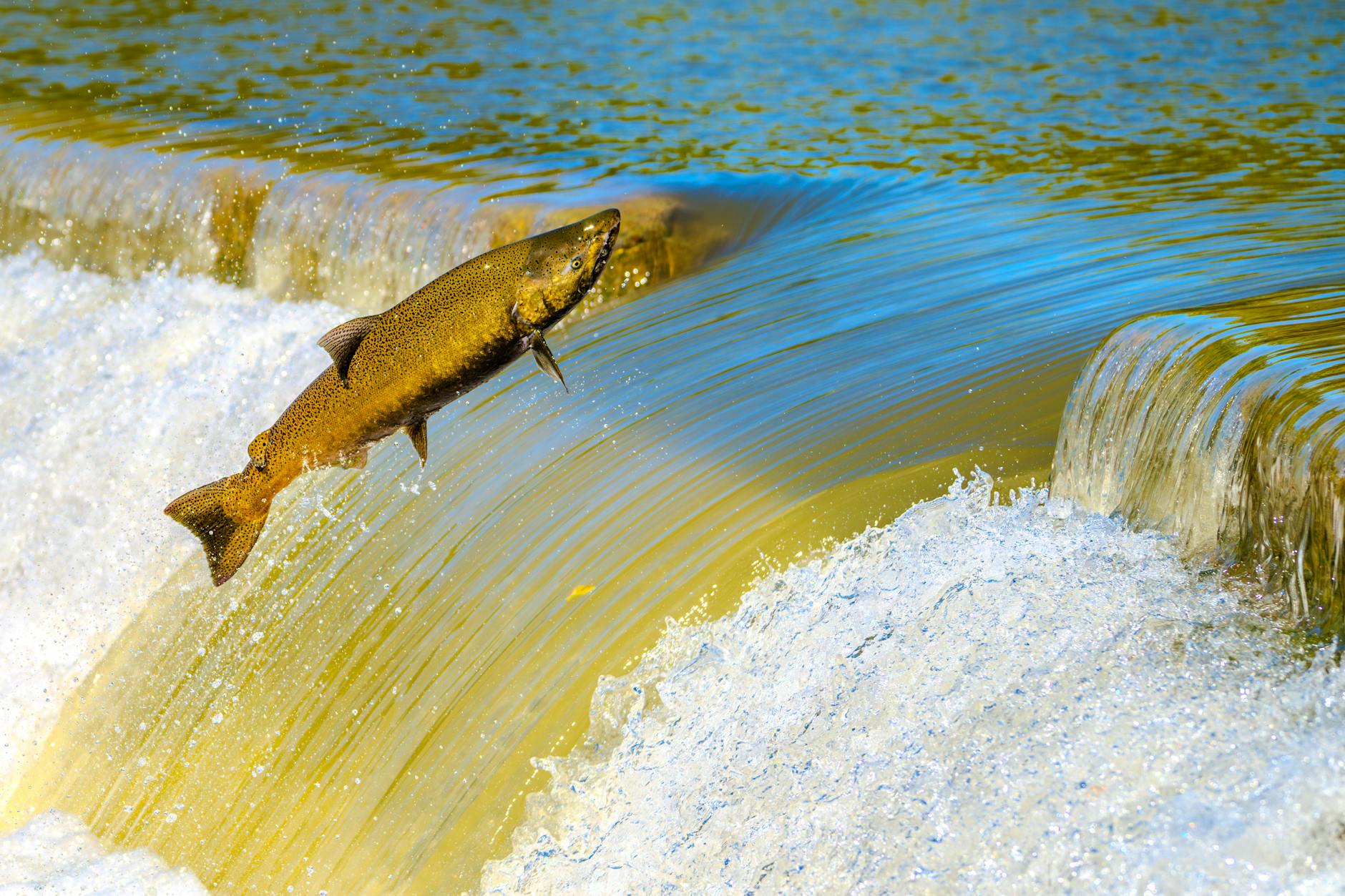
California's vital Sacramento River, a millennia-old spawning ground for Chinook salmon, is now dangerously warm, threatening the survival of countless salmon eggs. Biologists estimate a significant portion may not hatch, a grim sign for these iconic fish. Environmental groups point to controversial water management decisions, accusing federal authorities of prioritizing agricultural needs over the salmon's need for cold water. This critical situation highlights the urgent need for careful environmental action and sustainable water management practices, especially as climate change intensifies warming trends and droughts across the region.
For generations, Chinook salmon have relied on the cool, gravelly depths of the Sacramento River to lay their eggs. Today, that tradition is under threat as the river's temperature climbs above the lethal 53.5 degrees Fahrenheit mark required for egg survival. Environmental advocates, like Jon Rosenfield of San Francisco Baykeeper, are raising alarms, stating “those eggs are getting cooked” due to decisions made by the federal government. They claim too much water was drawn from Shasta Lake this spring and summer for Central Valley farms, leaving less cold water available for the river downstream from Shasta Dam.
The U.S. Bureau of Reclamation, which manages Shasta Dam, defends its operations, stating it follows a temperature management plan developed with state and federal fishery agencies and complies with the Endangered Species Act. However, state officials have also voiced concerns about the federal government's push to pump more water to Central Valley farmlands, a policy they argue exacerbates the problem. Jackie Carpenter of the State Water Resources Control Board noted that climate change-driven snowpack losses reduce the cold water supply in Shasta, intensifying the challenge of protecting salmon.
The decline in salmon numbers is a stark reminder of how global warming intensifies droughts and heats rivers, pushing species to the brink. Previous warm periods have had devastating effects; during a drought from 2020 to 2022, most salmon eggs and young fish died in the Sacramento River, leading to commercial fishing bans for the fall-run Chinook, which are typically the most abundant. Environmental and fishing groups even accused agencies of “sterilizing” the river in the past.
While recent wet winters from 2023 to 2025 offered some relief, allowing for a limited return to commercial fishing this year, the current warming trend renews fears of another collapse. Barry Nelson of the Golden State Salmon Assn. warns, “It’s too early to know how bad the mortality is going to be this year, but we’re off to a terrible start.” Environmental groups, including San Francisco Baykeeper, are taking legal action, suing the federal administration for alleged violations of the Endangered Species Act amidst concerns that protections for endangered fish are being weakened. This dire situation underscores the urgent need for stronger, climate-resilient water management strategies to protect vital ecosystems and the biodiversity they support.