Salesforce Invests in Indian Rice Farming: What’s the Big Goal?

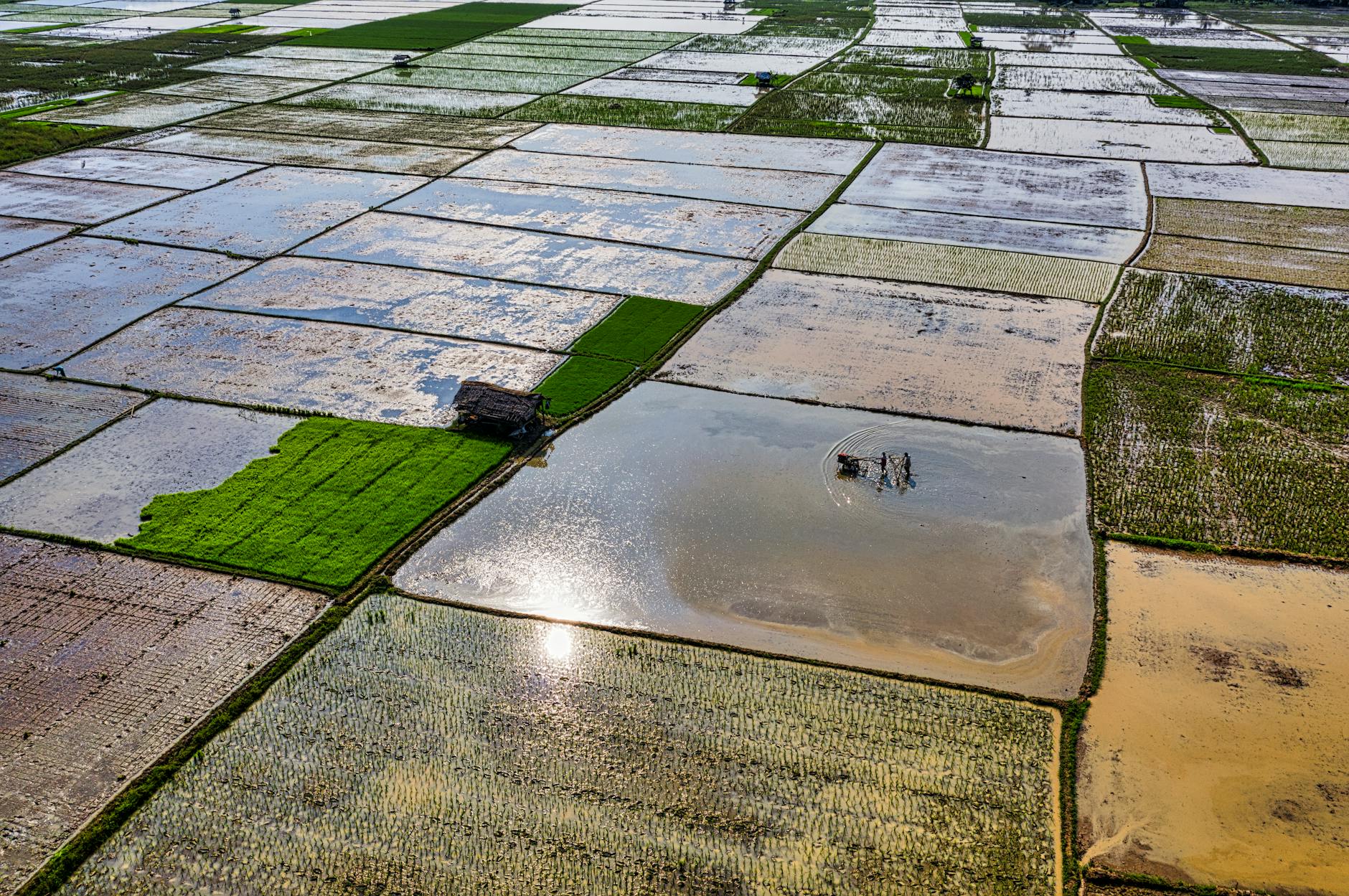
Salesforce is partnering with India's Mitti Labs to tackle a significant source of global warming: methane emissions from rice paddies. Through a new five-year agreement, Salesforce will buy 500,000 methane reduction carbon credits by 2030, supporting climate-smart rice farming across thousands of smallholder farms. This initiative not only helps farmers reduce potent greenhouse gases but also conserves vital water resources in a region facing increasing scarcity, showcasing a practical path to a more sustainable future.
A major deal between Salesforce and Mitti Labs is set to transform how rice is grown in India, with big implications for our planet. The agreement will expand a farming method that cuts down on methane, a powerful greenhouse gas, while also saving huge amounts of water.
Rice is a staple for billions, but traditional farming methods, where fields are constantly flooded, create ideal conditions for methane-producing microbes. This process makes rice cultivation a substantial contributor to agricultural methane, which accounts for about 10% of global methane emissions. Methane traps much more heat than carbon dioxide in the short term, making its reduction crucial for slowing near-term global warming.
The solution is a practice called Alternate Wetting and Drying (AWD). Instead of continuous flooding, farmers let their fields dry out periodically before re-irrigating. This simple change can slash methane emissions by up to 50% and cut water use by up to 40% without compromising yields. It’s a win-win for both the environment and farmers, especially as water becomes scarcer.
Mitti Labs uses advanced technology, including AI and satellite imagery, developed with support from NASA, to monitor these practices across thousands of small farms. Their GeoAI platform verifies that farmers are following the new irrigation patterns, ensuring the carbon credits sold are based on real, measurable emission reductions. This rigorous verification is vital, especially given past concerns about the quality of some rice methane credits in the carbon market. New, stronger standards like Verra's updated VM0051 methodology are now helping to rebuild confidence in these important environmental projects.
This partnership builds on Mitti Labs' existing commitment with Google to deliver 1 million carbon credits, showing a growing corporate demand for credible agricultural carbon reductions. By supporting these efforts, companies like Salesforce are investing in sustainable food systems and directly contributing to climate action. For instance, the Salesforce partnership alone is projected to save 700 billion liters of water by 2030—a staggering amount that could significantly ease water stress in regions like Bengaluru.
As the world races to address climate change, solutions that integrate technology with traditional practices, like those from Mitti Labs, become incredibly important. They offer a tangible way to reduce emissions from vital sectors like agriculture and protect our precious natural resources for future generations.