San Antonio's Secret Weapon Against Extreme Summer Heat

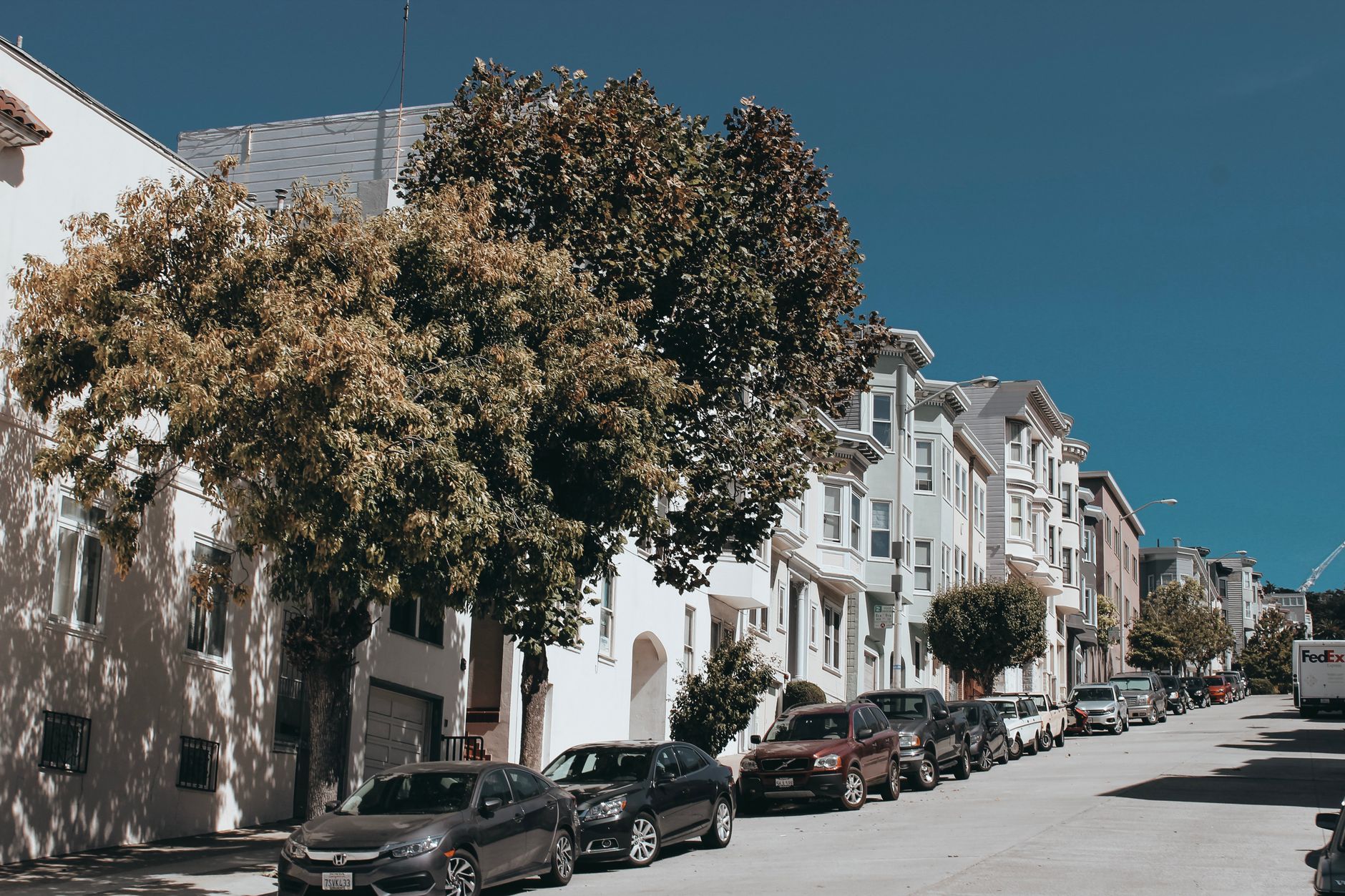
Summer in San Antonio, Texas, is becoming dangerously hot, with 2023 seeing 75 days over 100 degrees. This extreme heat strains residents' wallets with high AC costs and poses serious health risks, especially in underserved areas with less natural shade. In response, the city has launched its 'Cool Neighborhoods' program. This vital initiative aims to lower temperatures and protect vulnerable communities by implementing innovative, sustainable solutions to combat the growing impacts of climate change.
The rising heat in San Antonio isn't just uncomfortable; it's a critical issue impacting daily life and health. Kate Jaceldo, the city’s climate adaptation manager, points out that while Texas summers are always warm, recent years have brought a new level of extreme heat. This translates to more expensive electricity bills for air conditioning and increased risks of heat-related illnesses like heat stroke for residents.
Alarmingly, the burden of this extreme heat isn't shared equally. Neighborhoods that have historically been underinvested, often characterized by more concrete surfaces and fewer trees, experience significantly higher temperatures both outdoors and inside homes. These areas are at the forefront of climate vulnerability, making targeted action essential.
San Antonio's Cool Neighborhoods program is stepping up to address this challenge head-on. The program is actively working to cool down these heat-stressed communities through a variety of practical and environmentally friendly methods. Streets are being coated with special materials that absorb less heat, helping to reduce ambient temperatures. New trees are being planted to provide much-needed natural shade, and bus shelters are being constructed to offer respite from the sun.
Beyond public spaces, the program also supports residents in making their homes more resilient to heat. Through weatherization projects, homes become more energy-efficient, keeping them cooler while reducing utility costs. Additionally, grants are available to help homeowners install reflective roof materials that bounce the sun's heat away, rather than absorbing it. As our planet warms and extreme weather becomes more common, these efforts in San Antonio are a powerful example of how communities can adapt, protect their residents, and build a more sustainable future.