São Paulo reveals Brazil's next climate frontier: What's changing?

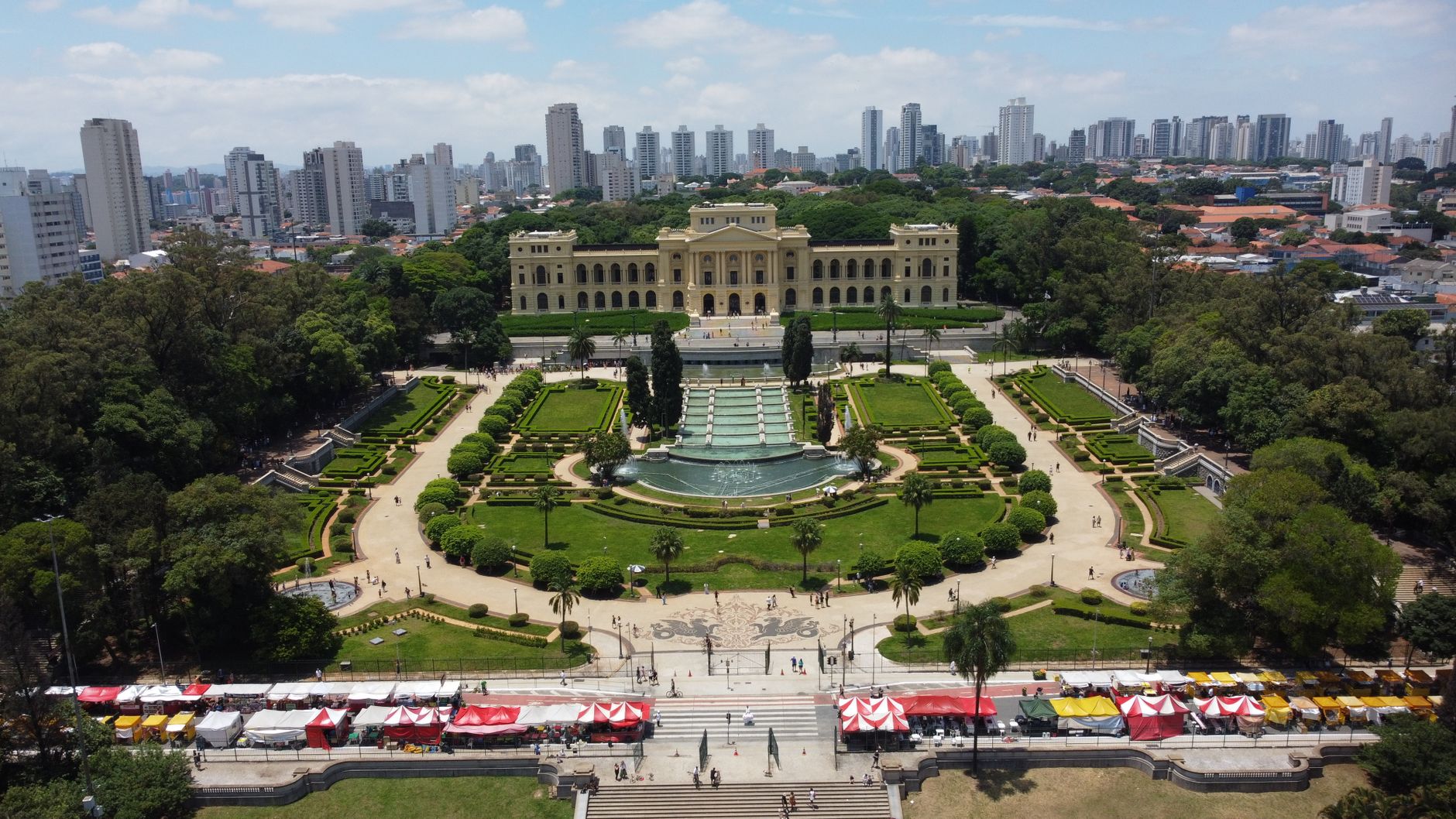
São Paulo Climate Week 2026 brought together leaders from business, government, and finance to tackle pressing environmental challenges. Discussions at AMCHAM focused on Brazil's role in COP31, emphasizing the shift from climate agreements to concrete implementation by the private sector and leveraging carbon markets. Simultaneously, the MASP event highlighted the critical role of the insurance industry in addressing escalating climate risks, such as those amplified by events like El Niño, stressing the need for better adaptation strategies and public-private partnerships. The overarching message was clear: urgent action, strong collaboration, and innovative financing are crucial for building a sustainable, resilient future in the face of global warming.
São Paulo Climate Week 2026 served as a crucial platform, underscoring that climate action is no longer a niche topic but a core part of global competitiveness and societal well-being. At the AMCHAM event, experts like José Fernandes and Ana Tony highlighted the need to move beyond pilot projects to robust climate solutions, emphasizing that global climate agreements, like the upcoming COP31, will be judged by their real-world impact. The discussions touched on scaling up efforts in areas like deforestation reduction and phasing out fossil fuels, with a specific focus on ambitious goals for electrification and waste management.
The private sector's role was central, with Dan Iochepe pointing to initiatives like the NAZCA platform and SBCOP as key drivers for implementation. He argued that now is the prime time for businesses to capitalize on opportunities in sustainable solutions, such as Sustainable Aviation Fuel (SAF), where Brazil could lead, much like its success with ethanol. Financing for these green transitions was also a major theme, with Rafael Dubeaux from the Ministry of Finance detailing Brazil's sustainable sovereign bonds and plans for a "super taxonomy" to prevent greenwashing.
Meanwhile, at MASP, the focus shifted to the escalating threat of climate risks and the vital role of the insurance sector. Speakers like Maria Netto stressed that climate change incurs not just private costs, but significant social costs, making insurance a key tool for pricing risks and fostering resilience. Thelma Krug, with her extensive IPCC experience, warned that the speed of recent phenomena like the 2023 El Niño demands urgent action, even as scientific models continue to evolve. She emphasized that uncertainty is no excuse for inaction, especially for vulnerable communities most affected by disasters.
Experts discussed the urgent need for integrating science, government, and insurance companies to move from reactive measures to proactive prevention. Patrícia Chacon from Porto insurance highlighted that less than 20% of homes and businesses have flood coverage, emphasizing the need for affordable solutions and stronger public-private collaboration. Erika Medici from AXA reinforced this, noting that every dollar invested in prevention can save five to seven dollars in repair costs. The discussions also covered challenges for small and medium-sized businesses and the agricultural sector, underscoring the critical importance of tailored rural insurance and robust data to manage climate-related financial risks, ultimately protecting livelihoods and ensuring a stable future.