SC Coastline's Secret Weapon Against Erosion Revealed

A unique natural defense is taking shape in Laurel Bay, South Carolina, where coastal erosion threatens homes and a beloved park near Port Royal Sound. With rising water levels and intensifying storms due to climate change, this vital coastline faces growing risks. Local efforts, spearheaded by partners like The Nature Conservancy, are deploying "oyster castles" – a living solution designed to halt erosion and naturally adapt to environmental shifts. This innovative approach not only protects the land but also restores crucial marine habitat, showcasing a sustainable path forward for vulnerable communities.
In Laurel Bay, a South Carolina community home to many military families, the ongoing battle against coastal erosion has found a natural champion. Homes and a popular park right by Port Royal Sound have seen significant land loss over time. Experts warn that global warming, bringing higher sea levels and stronger storm events, will only worsen this critical situation, highlighting the urgent need for effective, sustainable solutions.
That's where "oyster castles" come in. These unique structures are blocks stacked to create a protective wall along the shoreline. This wall effectively breaks up powerful waves, significantly reducing erosion. The project, led by organizations like The Nature Conservancy alongside federal agencies, is building a nearly 2,000-foot-long barrier to safeguard the community.
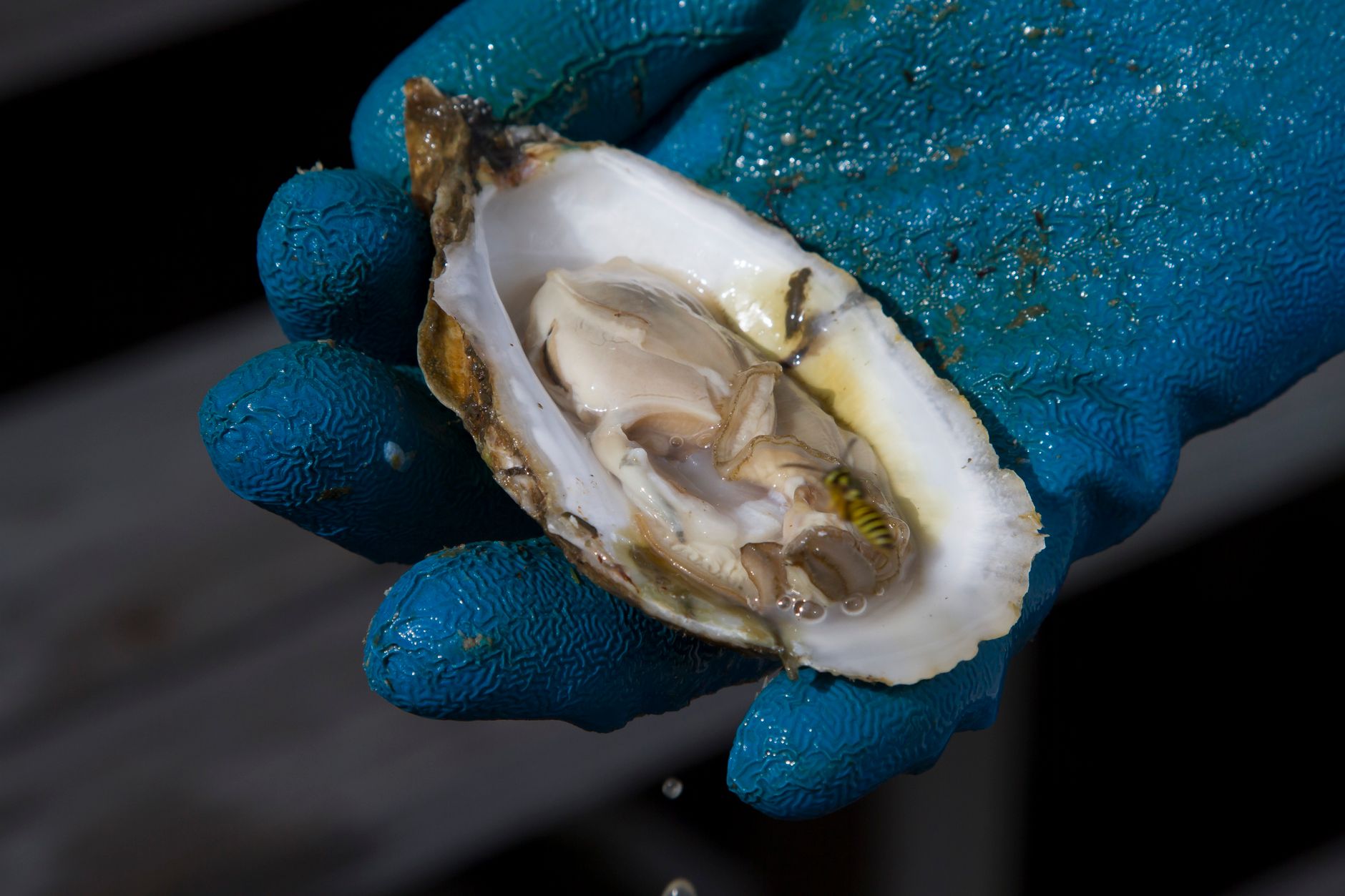
But these aren't just inanimate walls; they are living structures. The oyster castles provide a perfect home for oysters, a vital species for coastal health. As these remarkable animals attach and grow, they transform the wall into a living reef that can naturally build itself higher, keeping pace with rising sea levels. This self-sustaining defense demonstrates a powerful synergy between human ingenuity and nature’s resilience. Early results from older sections of the wall are incredibly promising, showing sediment refilling, new grass growth, and thriving oyster populations, proving the tangible benefits of investing in nature-based climate solutions to protect our precious coastlines.