Schools' Climate Education: What Crucial Piece Is Still Missing?

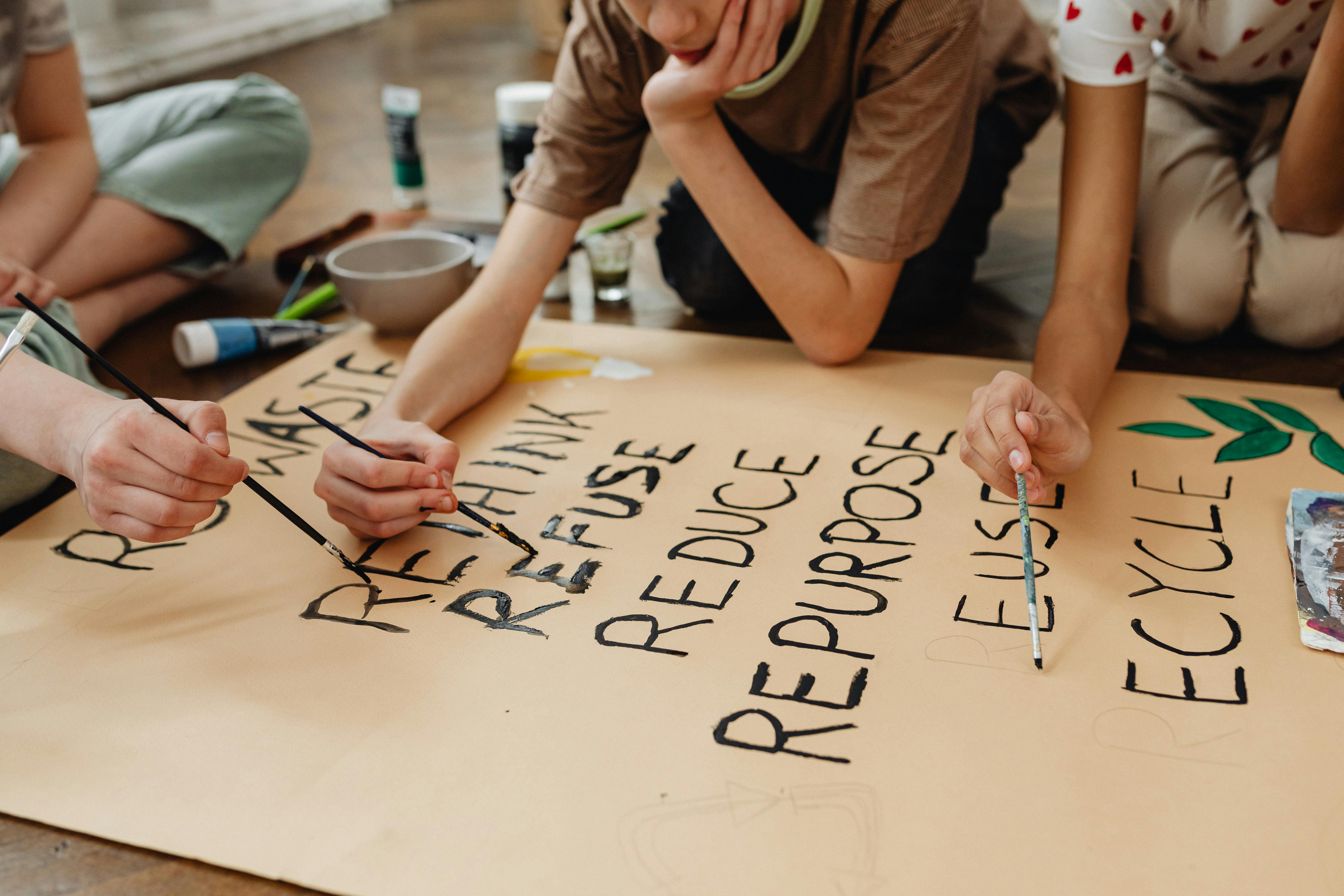
The UK Department for Education's recent Curriculum and Assessment Review acknowledges the importance of climate science and sustainability teaching in schools, sparking optimism. However, critics argue the recommendations fall short of adequately embedding climate education across all Key Stages. Despite recognizing climate understanding as vital for future green jobs and the economy, the current approach relies heavily on Science and Geography, neglecting a holistic integration. There is a pressing call for immediate, statutory guidance, robust teacher training, and clear timelines to meet the demands of the escalating climate emergency.
The UK Department for Education’s long-awaited Curriculum and Assessment Review, published on November 5th, provides conclusions and recommendations for England’s education system. While the inclusion of climate science and teaching for sustainability offers a glimmer of hope, questions remain whether it goes far enough in truly embedding climate education across all Key Stages. The situation demands immediate attention to avoid further delays in preparing young people for the climate crisis.
This review confirms a widely acknowledged reality among educators: climate education within the national curriculum is often limited and outdated. A 2022 poll by Public First highlighted that while teachers are eager to teach about climate change, they are severely hampered by insufficient time, inadequate training, and a lack of leadership support to do so effectively. Many commentators and school leaders had hoped for explicit recommendations on teacher training and new qualifications in this vital area, but the review's depth on these aspects is still under scrutiny.
Encouragingly, the report strongly connects climate education to the development of green skills and future employment opportunities, acknowledging its crucial role not just environmentally, but also economically. The report states, “Climate education is critically important to the economy and for providing learners with the knowledge they need for future work. The solutions to the climate crisis require the expansion of green technology, and this in turn is creating new industries and jobs, and affecting nearly all sectors of the economy. If young people are to make the most of these opportunities, it is crucial that they acquire the knowledge and skills necessary to do so.” This emphasis on economic outcomes could potentially unlock support from employers, colleges, and universities for schools.
However, despite mentions of sustainability and technologies in Design and Technology, and some reference to citizenship education, the primary responsibility for climate education largely remains confined to Science and Geography. To truly equip young people for the world they will inherit, every subject must adopt a comprehensive climate lens. This necessitates extensive upskilling for teachers and a deeper integration of sustainability into the entire school culture. Initiatives like Carbon Literacy training are designed to support this, with their Schools Toolkit empowering all staff members with essential knowledge and skills to champion decarbonisation and sustainability efforts.
While the review's recommendations are positive, they critically lack the rapid pace and decisive action demanded by the escalating climate emergency. Despite other pressures on schools, a slow, optional rollout of gradual curriculum changes is simply not acceptable. We desperately need clarity, dedicated resources, and unwavering commitment from policymakers—and we need it now. The urgency of the situation cannot be overstated; delays will have profound, irreversible consequences.
The review also underscores the importance of oracy, critical thinking, and the ability to recognize misinformation—skills inherently practiced within every Carbon Literacy course. Through discussion, reflection, case studies, and exploring diverse perspectives, these courses not only build understanding but also inspire participants to make concrete pledges to reduce emissions individually and collectively. Carbon Literacy courses continuously reflect the latest policy changes and showcase inspirational case studies from other schools, empowering staff and students alike to grasp the science, act confidently, and drive meaningful change in their communities.
To translate these good intentions into impactful action, several critical steps are immediately required: statutory guidance for schools, dedicated funding for teacher training, comprehensive curriculum changes across all Key Stages, and clear targets with ambitious timelines. The Carbon Literacy Project maintains a clear aim: for every pupil to leave school Carbon Literate. Understanding the problem is merely the initial step; truly empowering young people to become integral parts of the solution is what ultimately matters.