Scientists Push a Bold Plan: Give Wetlands Legal Rights
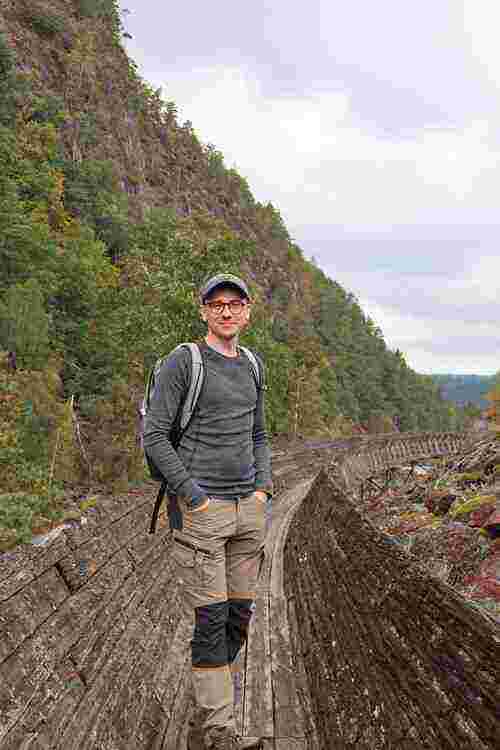
At a wetlands summit near Victoria Falls, U.S. ecologist Gillian T. Davies pressed a radical idea: give wetlands legal rights so courts can protect them before they’re damaged, a strategy gaining traction from Ecuador to Panama. Despite decades of pledges, wetlands keep disappearing—faster than forests—eroding natural flood buffers and carbon stores. Indigenous leaders have long framed nature as a living community; now more Western scientists are joining, bringing data to craft laws and win cases. Politics still slow progress: a Sri Lankan push to encourage “rights of wetlands” was sidelined, and diplomatic squabbles dominated the meeting. Yet momentum is building, as reported by Inside Climate News: The Scientists Making the Case for Nature’s Rights.
Armed rangers, a crash of white rhinos and a scientist on a break-day hike set the scene for a debate with global stakes: how to stop the world’s fastest-shrinking ecosystems from slipping away. At a Ramsar Convention gathering in Zimbabwe, ecologist Gillian T. Davies urged delegates and peers to consider a sharper legal tool—recognizing wetlands’ own rights—because traditional protections have not kept pace with loss.
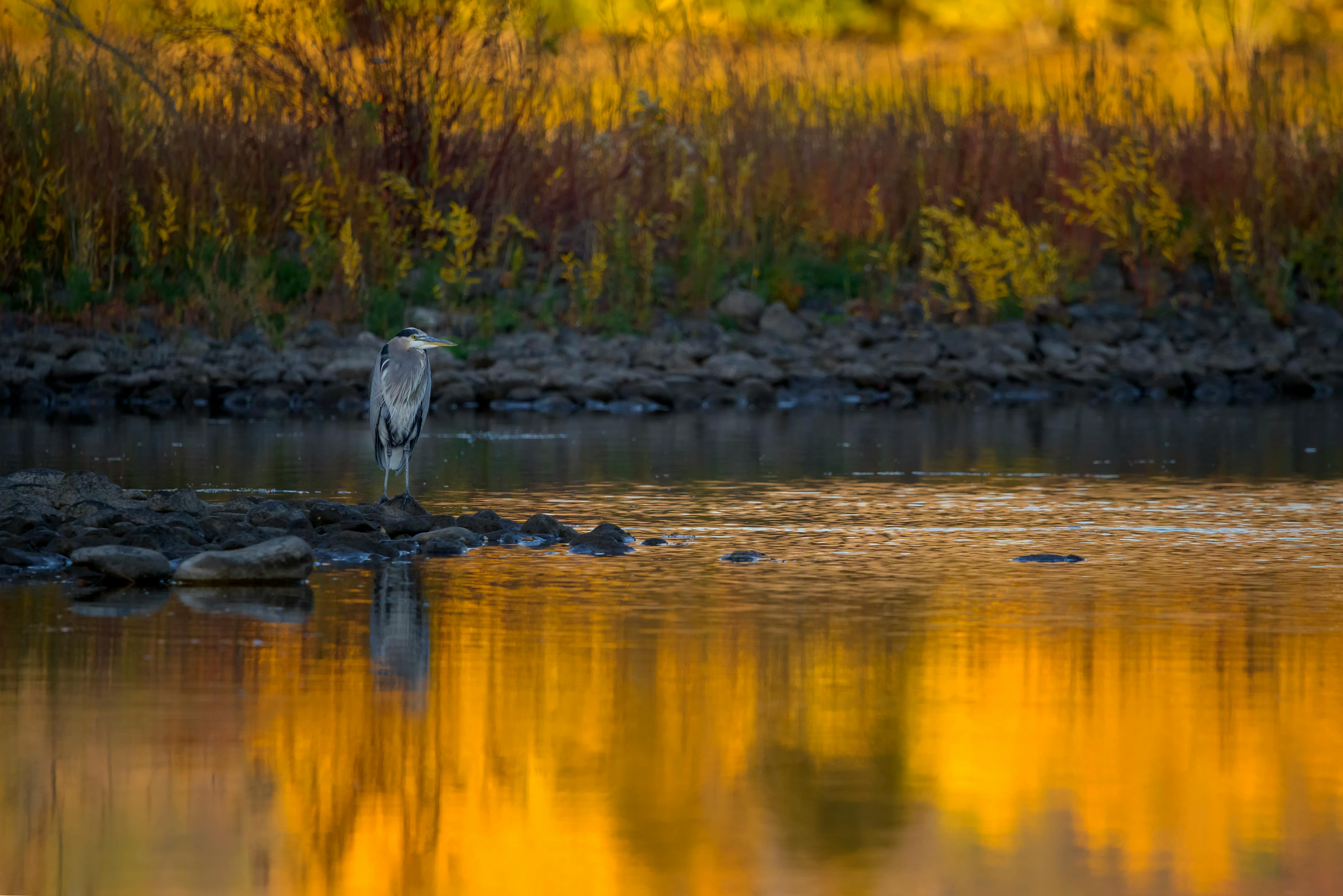
Wetlands have long been written off as “wastelands,” yet they quietly stabilize climate and daily life. Per area, many store more carbon than forests. They act like giant kidneys, filtering pollution, recharging water supplies and buffering storms and floods. Still, around a fifth are already gone and about a quarter of what remains is in distress. Globally, wetlands are disappearing roughly three times faster than forests, and with them the freshwater species that depend on these habitats.
The movement Davies joined—rights of nature—has been led for decades by Indigenous peoples who view rivers, marshes and forests as living relatives, not objects. Western scientists are increasingly partnering rather than lecturing: documenting ecological networks, tracking species, and translating that evidence into statutes and courtroom arguments. The approach has teeth. Ecuador wrote nature’s rights into its 2008 constitution; courts have since cited those rights to block projects that would disrupt ecosystems’ “life cycles and functions.” Panama followed with national laws that spell out nature’s rights using scientific criteria, even adopting a sea-turtle statute built on tagging and migration data.
These alliances are reshaping how cases are built. Paraecologists trained by researchers now gather long-term field evidence—species maps, habitat baselines, seasonal changes—often beating the thin environmental assessments filed by developers. The result: communities arrive in court with a fuller picture of what’s at stake and what would be lost.
Politics remain a headwind. At the Victoria Falls meeting, a Sri Lankan bid to encourage recognition of wetlands’ rights stalled before debate began. Russia announced a withdrawal amid war-related disputes, and the U.S. delegation arrived late and pushed to strip climate language from documents. The final communiqués nodded to “living in harmony with nature,” but left the hardest questions for later.
The case for rights has as much to do with culture as with law. Histories of drained peat fens and sunken fields show how short-term gains can trigger generations of damage. Modern science echoes Indigenous knowledge about interdependence: soils, fungi, plants, animals and people exchange water, nutrients and information in webs we’re only starting to quantify. If corporations and ships can hold legal rights, advocates ask, why not the ecosystems that sustain us?
Back at the falls, visitors watched rainbows arc through spray while warthogs trotted in the understory. That everyday connection, campaigners argue, is the first step: once people see wetlands as living systems with their own integrity—and not merely land to be “improved”—it becomes easier to write laws that prevent harm rather than tally it after the fact. Whether governments move quickly enough is uncertain, but more scientists are adding their names, data and methods to a movement that treats nature as a rights-bearing neighbor, not a resource storehouse, as reported by Inside Climate News.