Secret Data Center Plans Threaten Corpus Christi's Water Supply?

Corpus Christi, a bustling Texas metro area of half a million people, is facing a dire water crisis, with reservoirs potentially drying up next year. The city's urgent plan for an emergency groundwater supply is being stalled by the nearby town of Sinton. Corpus Christi leaders now suggest Sinton's resistance isn't about local concerns, but rather a hidden agenda to secure water for massive, new data centers that consume enormous amounts of this precious resource. This conflict highlights the growing challenges communities face as demand for water rises amidst ongoing drought conditions, emphasizing the critical need for sustainable water management.
Corpus Christi is in a desperate race against time to secure its water future. With its main reservoirs nearing critically low levels due to a five-year drought, the city is fast-tracking a project to tap into the Evangeline Aquifer near Sinton, even laying pipeline before obtaining all necessary permits. However, Sinton, a town of 5,500 residents, is actively challenging these permits in court, raising concerns about its own water supply.
Corpus Christi officials believe Sinton's delays stem from a secret plan to host large, water-hungry data centers. They point to recent land deals, new well permits, and a rezoning of 1,000 acres of agricultural land to industrial use in Sinton as compelling evidence. While Sinton officials remain tight-lipped, an attorney for the San Patricio Groundwater Conservation District found the rumors "very believable," and a former Sinton city engineer suggested a multi-billion dollar project could require over three million gallons of water daily—far more than Sinton currently uses.
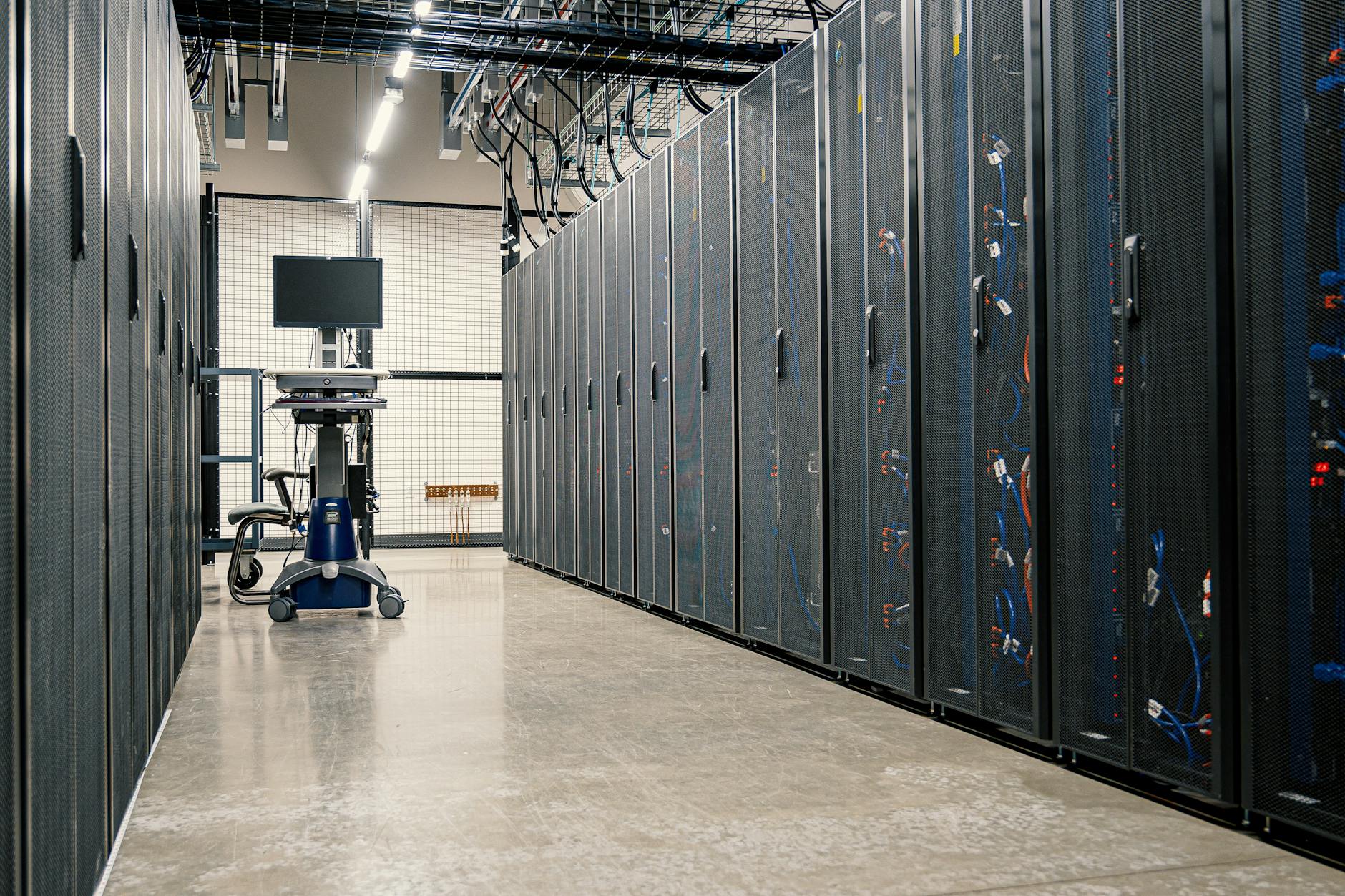
These data centers, crucial for artificial intelligence and internet services, require significant water, primarily for cooling their constantly running servers. Texas is seeing an unprecedented boom in these facilities, with hundreds more planned across the state. This rapid expansion is set to dramatically increase statewide water demand, potentially rivaling or even exceeding that of traditional industries. A report from the Bureau of Economic Geology at the University of Texas estimates data center water use could surge from 120 million gallons a day in 2025 to 640 million gallons a day by 2030, putting immense pressure on already strained water resources, especially in drought-prone regions.
This conflict underscores a growing environmental challenge: how communities manage vital resources like water in the face of new, intensive industrial demands. As Corpus Christi grapples with an impending emergency, the alleged pursuit of economically attractive but resource-intensive projects like data centers by neighboring towns highlights the urgent need for regional cooperation and sustainable planning to ensure water security for everyone. The delay in Corpus Christi's emergency project means half a million people, and local industries, continue to careen towards potential water restrictions, making the implications of such decisions profoundly impactful on daily life and the environment.