Self-Driving EVs: Emissions Win or Trap?

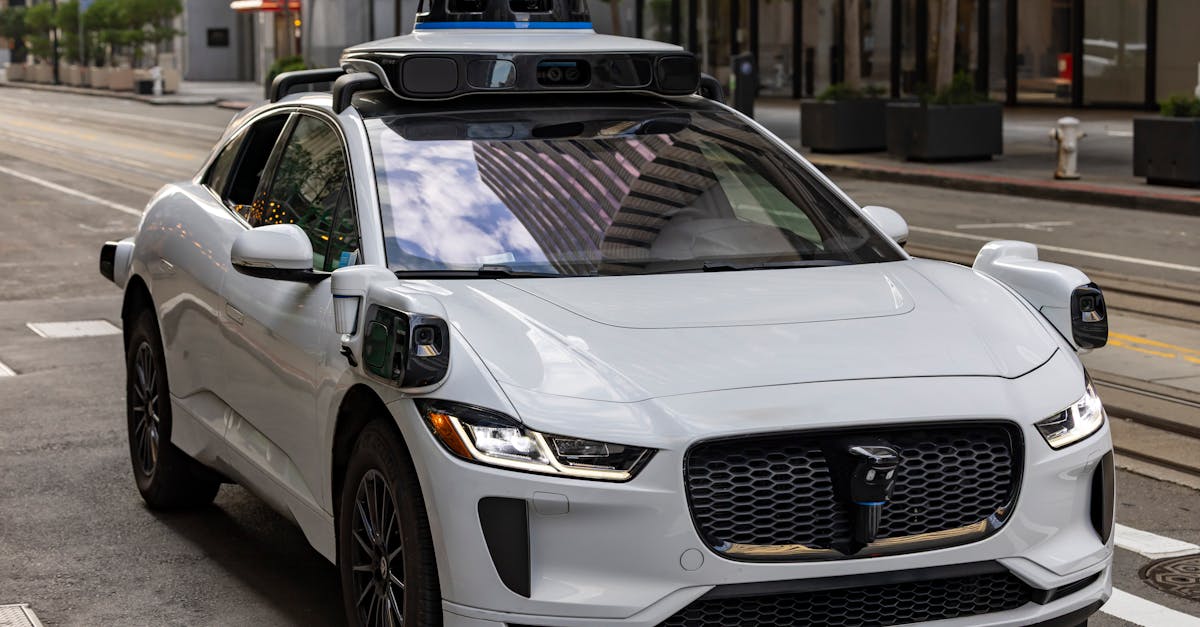
Waymo's driverless electric taxis are exploding across U.S. cities like Austin and Atlanta, with 14 million trips this year and plans for even more in 2026. These all-electric vehicles from Waymo, Zoox, and Tesla could swap out gas-guzzling rides, hitting transportation—the nation's top source of greenhouse gases. Studies show even modest EV adoption cuts air pollution and asthma visits, like a USC medical school report linking 20 zero-emission vehicles per 1,000 people to fewer ER trips. Yet experts warn of rising traffic and power demands that might offset gains amid urgent climate needs.
Self-driving cars are here, and they're all electric. Waymo's fleet is growing fast, aiming for a million rides weekly soon. This shift from gas cars to batteries promises cleaner air right away. Replacing just 17% of vehicles with EVs could widely reduce smog and particles, per research. Electric rides beat fossil fuels by slashing tailpipe pollution and boosting health—fewer asthma attacks mean real lives improved.
But it's not all smooth. More autonomous vehicles might mean more trips overall, jamming roads and spiking electricity use. As grids green up, this could still help fight global warming. The urgency is clear: transportation emissions fuel climate crises, so scaling electric robotaxis smartly is key to sustainable wins. Collective action now—like pushing clean power—ensures these tech leaps protect our planet.