Senator's Pipeline Push: Who Really Benefits?

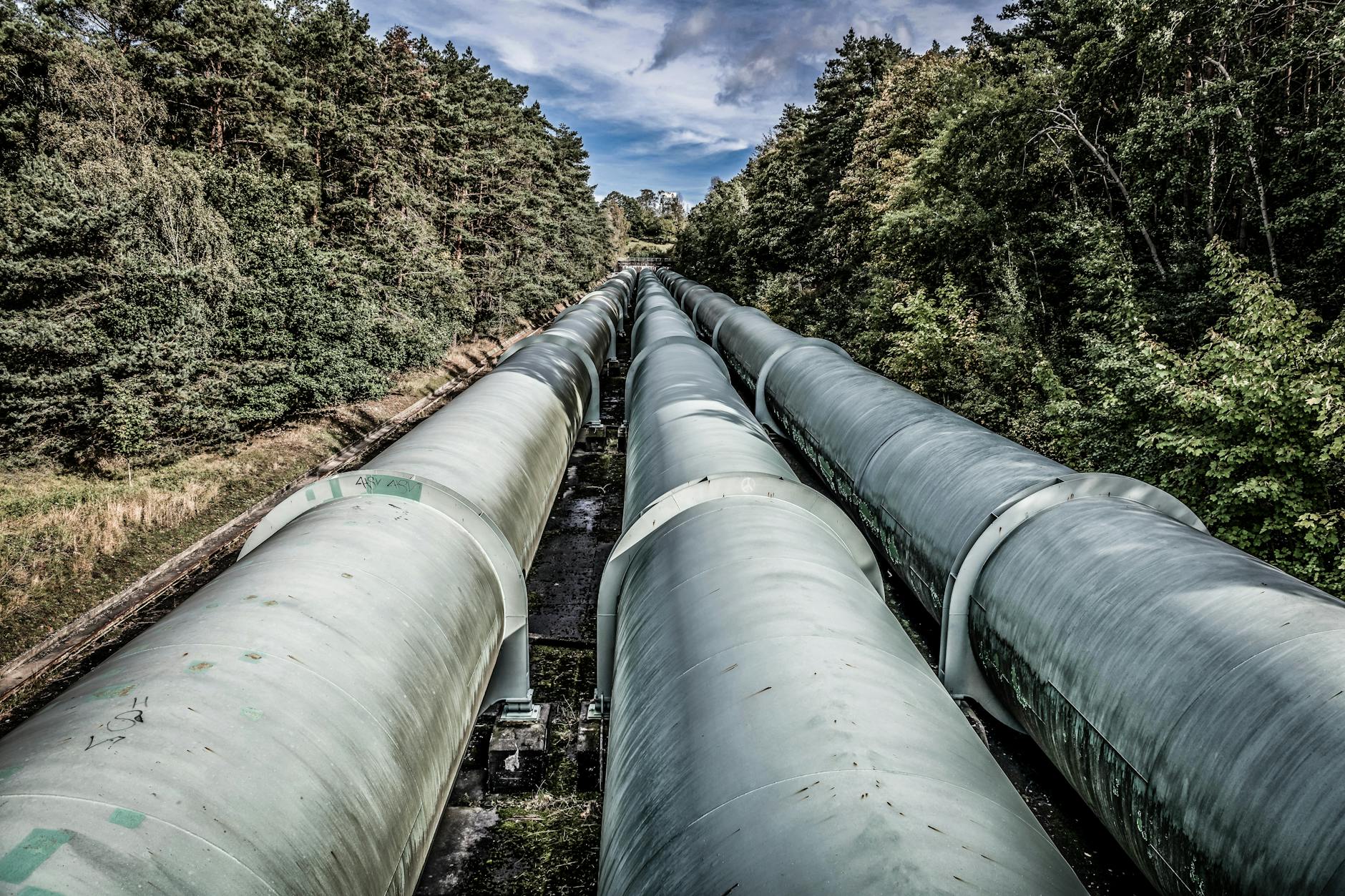
A new bipartisan permitting bill, spearheaded by Senator Alan Armstrong, is poised to reshape how infrastructure projects, especially pipelines, are approved. The legislation, set for a vote next week, contains provisions that could significantly benefit Williams Companies, the natural gas giant Armstrong led for 15 years. This move directly challenges states' ability to protect crucial waterways, raising environmental concerns and ethical questions about the senator's financial ties to his former employer, highlighting the ongoing tension between economic development and environmental stewardship.
Senator Alan Armstrong of Oklahoma is pushing for a bipartisan bill that would dramatically change how infrastructure projects get built across the nation. His goal, he says, is to streamline regulations. However, critics point out that key parts of this bill could especially help Williams Companies, his former employer, push through a long-disputed natural gas pipeline in New York. The senator continues to hold millions of dollars in Williams stock and has appointed former company colleagues to his staff.
The heart of the controversy lies in provisions that would limit states’ power to deny water quality permits, a crucial safeguard under the federal Clean Water Act. New York regulators famously blocked the Constitution pipeline in 2016, citing threats to 251 streams, many of which provide vital trout habitat. Construction would involve digging across these waterways, potentially causing sediment to pollute clear waters and damaging sensitive ecosystems. This new bill would weaken state protections by focusing only on direct discharges and shifting the burden of proof onto regulators, making it much harder to protect local environments.
These changes aren't just about one pipeline; they represent a significant rollback of environmental oversight that could impact countless natural resources. While proponents argue for efficiency, environmental advocates warn that such measures prioritize fossil fuel infrastructure over the health of our planet and the urgent need for sustainable solutions. Protecting our natural waterways is essential for ecological balance and public well-being, underscoring why strong environmental action and a shift away from fossil fuels are more critical than ever.
Government watchdog groups have also raised serious ethical questions, noting that Senator Armstrong was appointed, not elected, meaning voters didn't get to scrutinize his significant financial stake in Williams. While Senate ethics rules are famously lenient, critics argue that this situation, where a lawmaker champions legislation directly benefiting a company they previously led and still have financial ties to, undermines public trust and could allow industry interests to override environmental protections and public interest.