Sergeant's Brain Chip Lets Him Do What Seemed Impossible

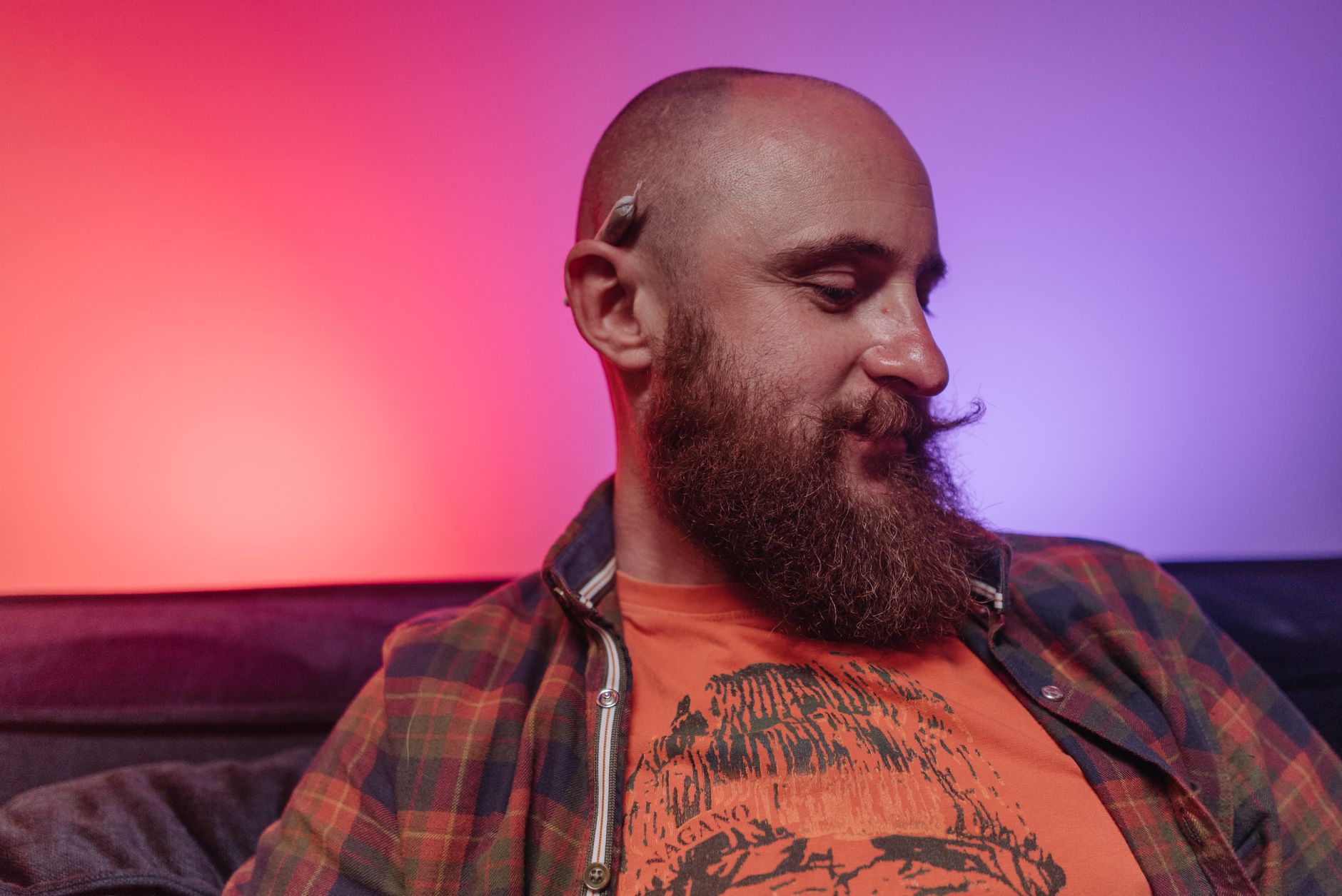
Lee Marten, a former Vancouver police sergeant, is sharing his remarkable journey as one of the first patients to receive Neuralink’s brain implant. Diagnosed with ALS, a devastating neurodegenerative disease, Marten faced a future without the ability to move or speak. This advanced wireless brain-computer interface technology has offered him a lifeline, allowing him to communicate and interact with the world using just his thoughts. His story highlights a significant leap in assistive technology, providing hope for many facing similar challenges.
Lee Marten was a healthy, active police sergeant until April 2022 when subtle muscle twitches and balance issues began. His life changed drastically after an ALS diagnosis in early 2025 at age 47. This disease, also known as Lou Gehrig’s disease, progressively strips patients of their ability to control voluntary movements, leading to a silent decline in communication and physical independence. With no cure, most patients face a short and difficult prognosis.
Searching for solutions, Marten connected with other young ALS patients and discovered a Neuralink clinical trial at Toronto Western Hospital. After a rigorous seven-month evaluation, he was accepted as the 26th recipient and the first Canadian ALS patient to receive the N1 implant. The surgery in May saw a robotic system delicately stitch 64 threads into his motor cortex. Waking up, Marten immediately put the technology to the test, sending his first message: “I’m texting you from my brain right now,” a testament to the implant’s immediate impact, as detailed in his personal account with Maclean’s.
Life with the Neuralink implant involves weekly "brain training" and charging the device with a special beanie. Through the "Link" app and a "Magic Box" device, Marten translates his neural signals into cursor control, enabling him to email, text, navigate social media, and even play games. This innovative technology restores a vital connection to the world, offering a powerful tool for communication that far surpasses traditional assistive methods. The advanced research behind this technology, which allows direct brain interaction, demonstrates an incredible step forward in leveraging technology to enhance human capabilities and overcome severe medical conditions, truly underscoring the benefits of exploring new, cutting-edge solutions.
Despite the challenges of his progressing condition, Marten has found a unique way to maintain his voice. He hopes that the data gathered from his experience will be instrumental in helping future ALS patients, even if a full cure isn't found in his lifetime. His journey provides invaluable insights into the practical applications and profound personal impact of such groundbreaking medical advancements. More information on the ongoing clinical trial can be found on Neuralink's updates page.