Shark lab's vital safety funding ends; what's next for beaches?

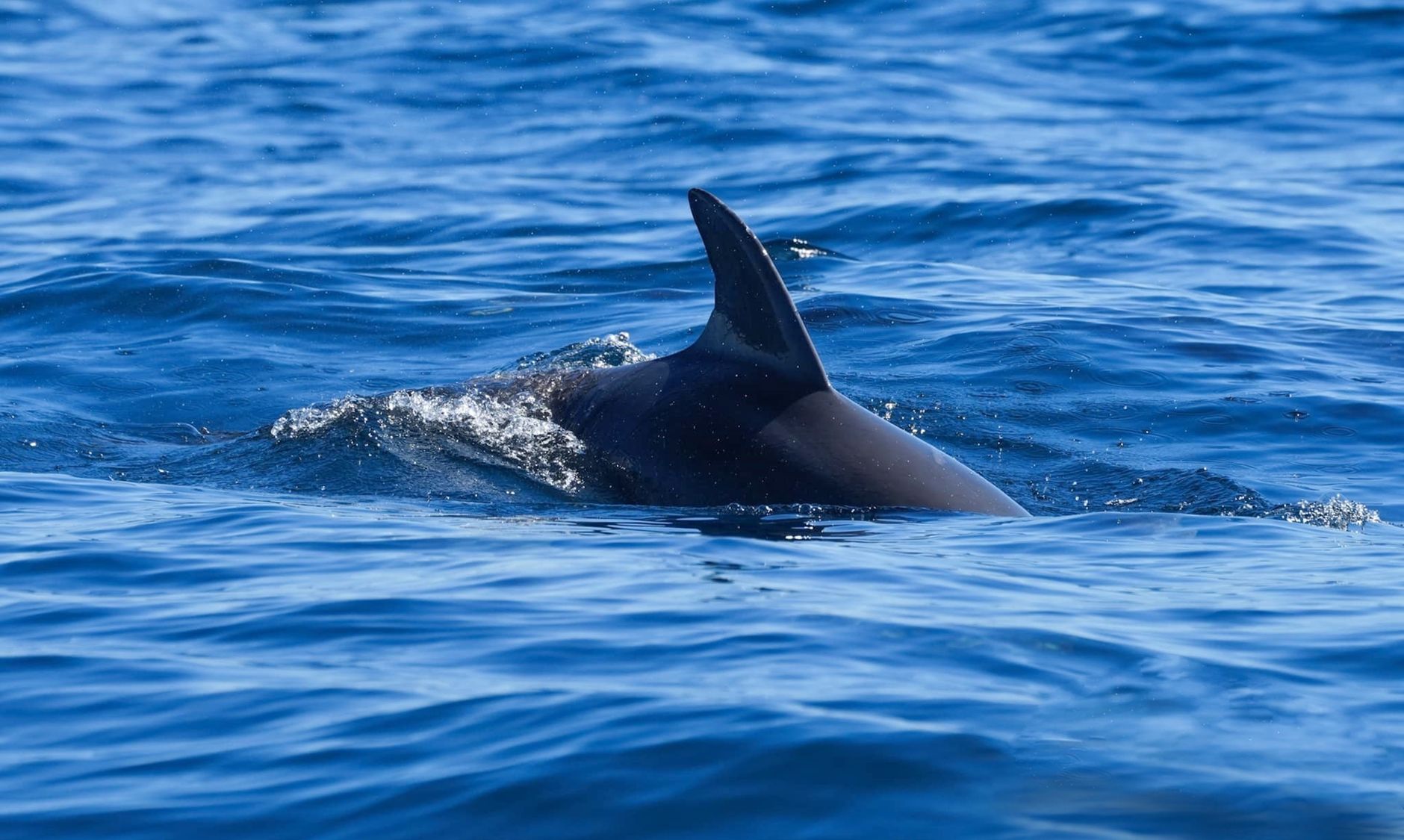
The California Beach Shark Safety program, a vital initiative tracking great white sharks, faces imminent closure due to a lack of funding. Operating since 2018, the program provides crucial data to lifeguards and educates the public, helping prevent costly beach closures. This comes as Southern California expects a “very sharky” summer, with juvenile great white numbers increasing, partly due to warming ocean waters. The program’s potential shutdown in September leaves coastal communities vulnerable, losing a key resource for managing shark encounters and ensuring public safety. Its survival is critical for both human well-being and understanding our marine environment.
The Cal State Long Beach Shark Lab's safety program is designed to monitor great white sharks along 500 miles of California coastline, from Morro Bay to the Mexican border. Researchers tag sharks and share real-time location data with lifeguards, helping them make informed decisions and avoid unnecessary beach closures that can cost millions. This proactive approach ensures public safety while also fostering a better understanding of these powerful marine animals.
However, this essential program, with an annual budget of about $1 million, will run out of funding in September. The number of young great whites along the Southern California coast has been on the rise, a trend scientists link partly to warming waters. A strong “super El Niño” cycle expected this year could further warm the ocean, potentially attracting even more sharks to local beaches. This highlights the urgent need for continued monitoring in a changing climate.
Without new funding, the program's equipment, including acoustic receivers and buoy systems that send live detection data, will be removed. As director Christopher Lowe explains, this would leave lifeguards “flying blind” when it comes to knowing shark locations, increasing risks for swimmers and surfers. The program also plays a crucial role in community outreach and education, working to change public perception and promote safe interactions with marine life. Preserving such efforts is vital for adapting to the environmental shifts affecting our oceans.