She Battled Malaria Mosquitoes—Then Lost It All
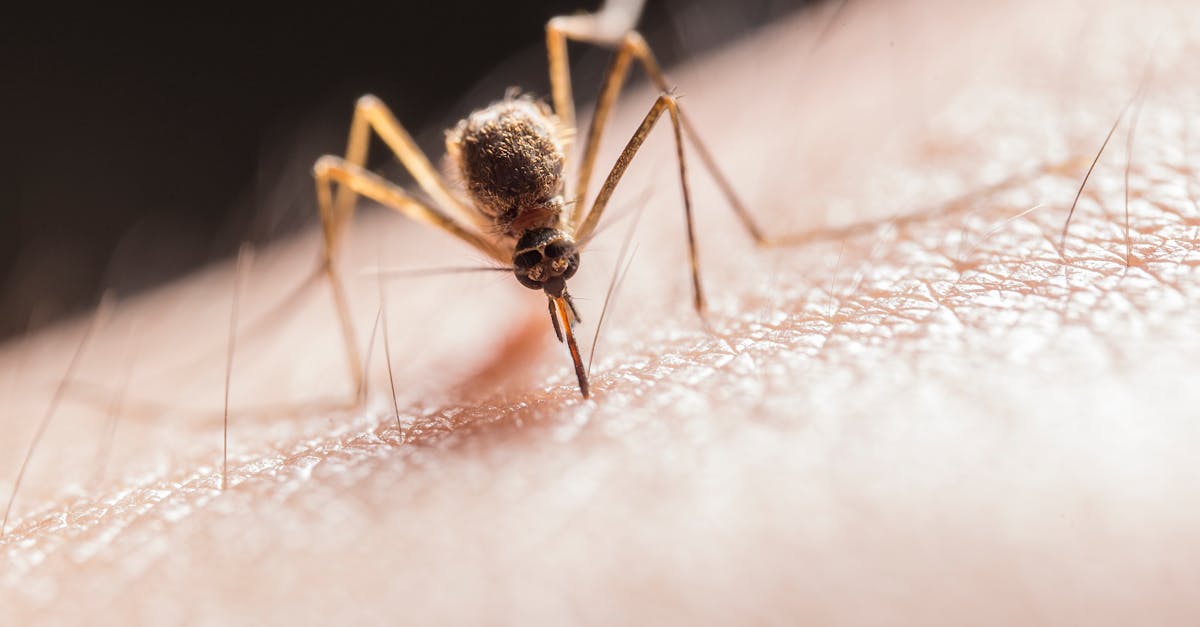
Jenny Carlson Donnelly spent years traveling to African countries like Ethiopia and Uganda, studying mosquitoes to curb malaria as part of USAID's President's Malaria Initiative. Her work focused on ensuring insecticide-treated nets and sprays remained effective against evolving mosquito species, training local teams, and sharing critical data with health officials. But funding cuts under the Trump administration ended her role abruptly, highlighting how U.S. science support impacts global health efforts in 27 countries. This loss threatens progress against a disease that kills hundreds of thousands yearly, underscoring the need for stable funding in vital research.
Jenny Carlson Donnelly was an entomologist with USAID, fighting malaria across Africa. She visited places like Mozambique and Sierra Leone, overseeing mosquito collection and testing.
Her team checked mosquito larvae in water sources and analyzed DNA to identify disease carriers. They also tested if insecticides still worked, as resistance could waste millions in aid.
Beyond labs, she trained locals and briefed health officials on the data to keep prevention strong—through bed nets and house sprays, the top tools against malaria.
Then came the cuts. USAID funding vanished first, and after paperwork delays, Jenny was out by July. It's part of a wave hitting scientists, stalling work that saves lives.