She Paid $58K for an EV. Lost $28K One Year Later!

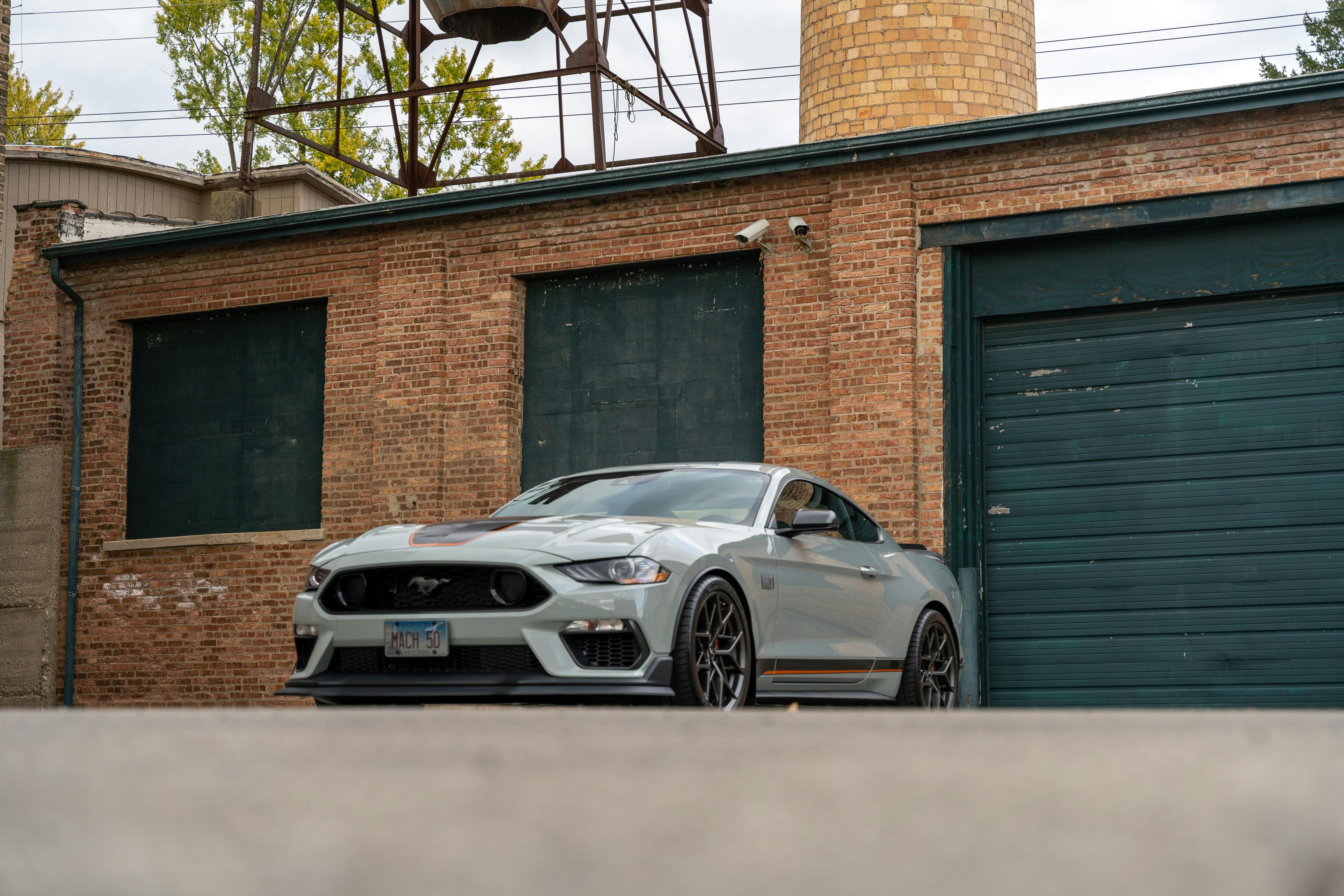
A Georgia nurse went viral after revealing that her 58,000 dollar Mustang Mach-E is now worth about 20,000 dollars. Many rushed to claim this proves electric cars are a financial trap. In reality, her loss comes from buying at the very peak of EV prices, rolling previous negative equity into the loan, and relying heavily on costly public fast charging. These factors would have created problems with a gasoline car as well.
According to reporting from InsideEVs, the Mach-E’s value drop was amplified when Tesla and other manufacturers cut prices across the board, which drove used EV values down sharply InsideEVs. Her situation also reflects a demanding driving pattern: long rural commutes, winter range loss, and limited home charging. Those conditions erase many of the cost advantages that most EV owners enjoy.
When you turn to the broader data instead of a single difficult case, the picture looks very different. The University of Michigan found that electric vehicles cost about 60 percent less to fuel each year compared with gasoline cars source. Consumer Reports shows that EV drivers spend roughly half as much on maintenance and repairs because there are fewer parts that wear out source. Studies from NRDC and Atlas Public Policy conclude that most mainstream EVs end up cheaper to own over several years, even before counting all available incentives source. Analyses using data from Argonne National Laboratory also show lifetime savings that can exceed 18,000 dollars when charging mainly at home source.
Her experience is genuine, but it does not reflect the economics of electric cars as a whole. It reflects a combination of high purchase price, bad timing in the market, a loan loaded with previous debt, and a driving pattern that depends on the most expensive type of charging. When buyers choose an EV that fits their needs, use available incentives, and charge mostly at home, electric cars remain among the cheapest vehicles to operate over their lifetime.