Shell Sells, TotalEnergies Buys: What’s Next for Europe’s Green Shift?

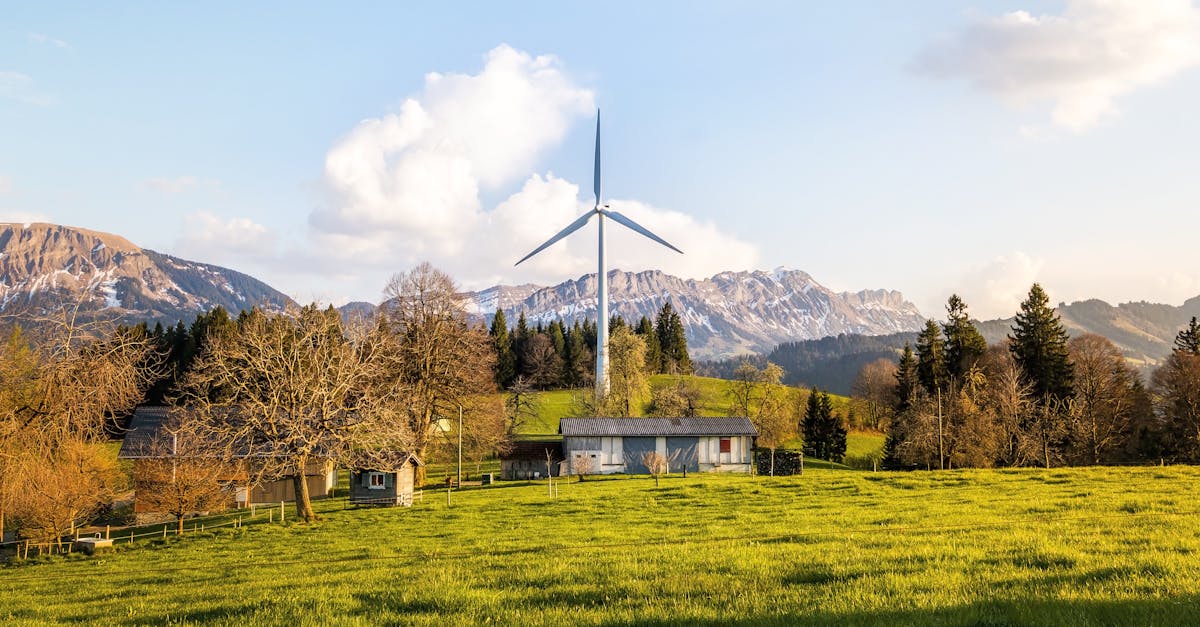
Two of Europe's largest energy companies, TotalEnergies and Shell, are making major moves that highlight their different approaches to the clean energy transition. TotalEnergies is acquiring Shell’s entire onshore renewable power portfolio in Europe, a deal that includes hundreds of megawatts of operational capacity and a large pipeline of future projects across several European countries. This significant transaction underscores the growing urgency for sustainable solutions and the rapid expansion of renewable energy to combat global warming, shaping Europe's path toward a greener future.
TotalEnergies will take over approximately 500 megawatts (MW) of solar and wind projects that are already running or under construction, plus a pipeline of over 3.5 gigawatts (GW) of future renewable projects. These assets are spread across key European countries including France, Spain, and the UK.
This acquisition significantly boosts TotalEnergies’ position as a leading renewable power producer in Europe. The company aims to build an integrated electricity business that combines renewable generation, battery storage, and power trading, demonstrating a strong commitment to electrification and sustainable growth.
Shell, on the other hand, is moving in a different direction. Instead of expanding its renewable generation, the company is focusing on businesses it expects will yield higher financial returns, such as liquefied natural gas (LNG), biofuels, electric vehicle charging, and power trading. This decision is part of Shell’s strategy to simplify its renewable power operations and allocate capital more efficiently. The company has also sold parts of its renewable portfolios in India and South Africa recently.
Both companies remain committed to reaching net-zero emissions by 2050, but their paths to get there are clearly diverging. TotalEnergies' strategy emphasizes rapid growth in renewable electricity, with a goal of over 100 terawatt-hours (TWh) of annual net electricity production by 2030, and up to 75 GW by 2050. The company’s recent financial results show a 15% increase in electricity generation from new solar and wind projects, proving that clean energy is a powerful driver of progress.
This deal comes as Europe pushes hard to expand renewable electricity, driven by the need for energy security and ambitious climate goals. The International Energy Agency (IEA) predicts that renewable energy will meet almost all global electricity demand growth through 2028. The European Commission’s REPowerEU plan sets a binding target for at least 42.5% of the EU’s final energy to come from renewable sources by 2030. Such policies create a strong and urgent demand for electrification and sustainable solutions.
For companies like TotalEnergies, these targets signal long-term opportunities in renewable electricity. For Shell, they mean a focus on supporting its overall energy transition strategy through specific, high-return ventures. The varying approaches show that the energy transition is not just about *if* companies invest in clean energy, but *how* they choose to compete and contribute to a sustainable future.