Shipyard-built reactors: A new dawn for clean power?

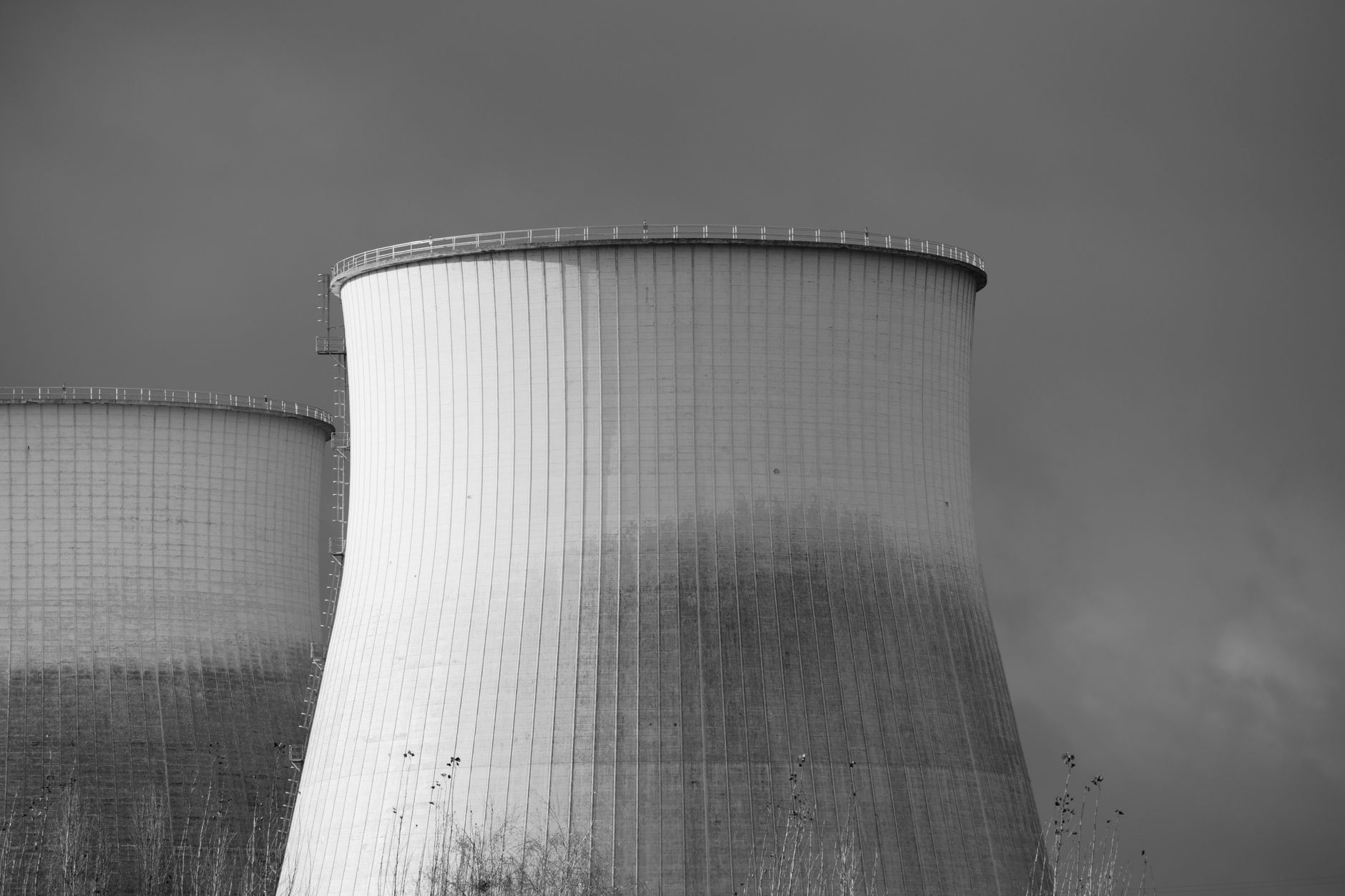
Constellation, a major U.S. carbon-free energy producer, has strategically invested in Texas-based Blue Energy. This partnership aims to fast-track the deployment of advanced small modular reactors (SMRs) across the nation. With electricity demand soaring due to artificial intelligence and industrial growth, SMRs offer a crucial solution. They provide a reliable source of clean power, helping to reduce our reliance on fossil fuels and accelerate the transition to a sustainable, electrified future, ensuring the U.S. can meet its energy needs while fighting climate change.
The push for new nuclear power in the U.S. is gaining speed, driven by increasing electricity needs from artificial intelligence (AI), data centers, and industrial electrification. Blue Energy, a startup focused on prefabricated nuclear plants, recently received a significant investment from Constellation Technology Ventures, the venture capital arm of Constellation Energy. This support highlights a growing belief in small modular reactors (SMRs) as a key to providing dependable, carbon-free electricity more quickly than traditional large-scale nuclear plants.
Blue Energy plans to deploy the GE Vernova Hitachi BWRX-300, a highly advanced SMR design. Instead of building most of the plant on-site, which often causes delays, Blue Energy will manufacture large sections in shipyards using robotic techniques. These sections are then transported for final assembly. This innovative method aims to cut down construction risks, shorten project timelines, and make nuclear projects more attractive to investors. The BWRX-300 can produce around 300 megawatts of carbon-free electricity, enough to power hundreds of thousands of homes, offering a cleaner path forward for our energy grid.
Constellation, as the largest producer of carbon-free energy in the U.S. with a vast nuclear fleet, sees expanding nuclear generation as essential. Electricity demand is rising at its fastest rate in decades, largely due to AI data centers. For instance, the U.S. Energy Information Administration (EIA) projects that data center electricity use alone could reach 818 billion kilowatt-hours by 2050 in some scenarios. Meeting this demand with clean, reliable energy sources like nuclear power is crucial for minimizing environmental impact and combating global warming.
One of Blue Energy's core goals is to tackle the traditional financing challenges of nuclear projects. By combining standardized reactor technology with modular manufacturing and financing models used in large infrastructure projects, they aim to improve cost predictability and reduce risks. This approach could significantly speed up deployment and lower the financing costs for future clean energy projects. This aligns with White House goals to expand U.S. nuclear capacity, supported by tax incentives and loan programs, pushing advanced nuclear into a new era of commercialization. This collective action is vital for a cleaner planet.
This partnership between Blue Energy and Constellation is a crucial step towards making carbon-free nuclear power faster to build, easier to finance, and more scalable. By embracing these sustainable solutions, the U.S. can meet its growing electricity demands while advancing environmental protection and contributing significantly to global climate action.