Shrinking Sea’s Hidden Cost: Kids’ Lungs Not Growing Right

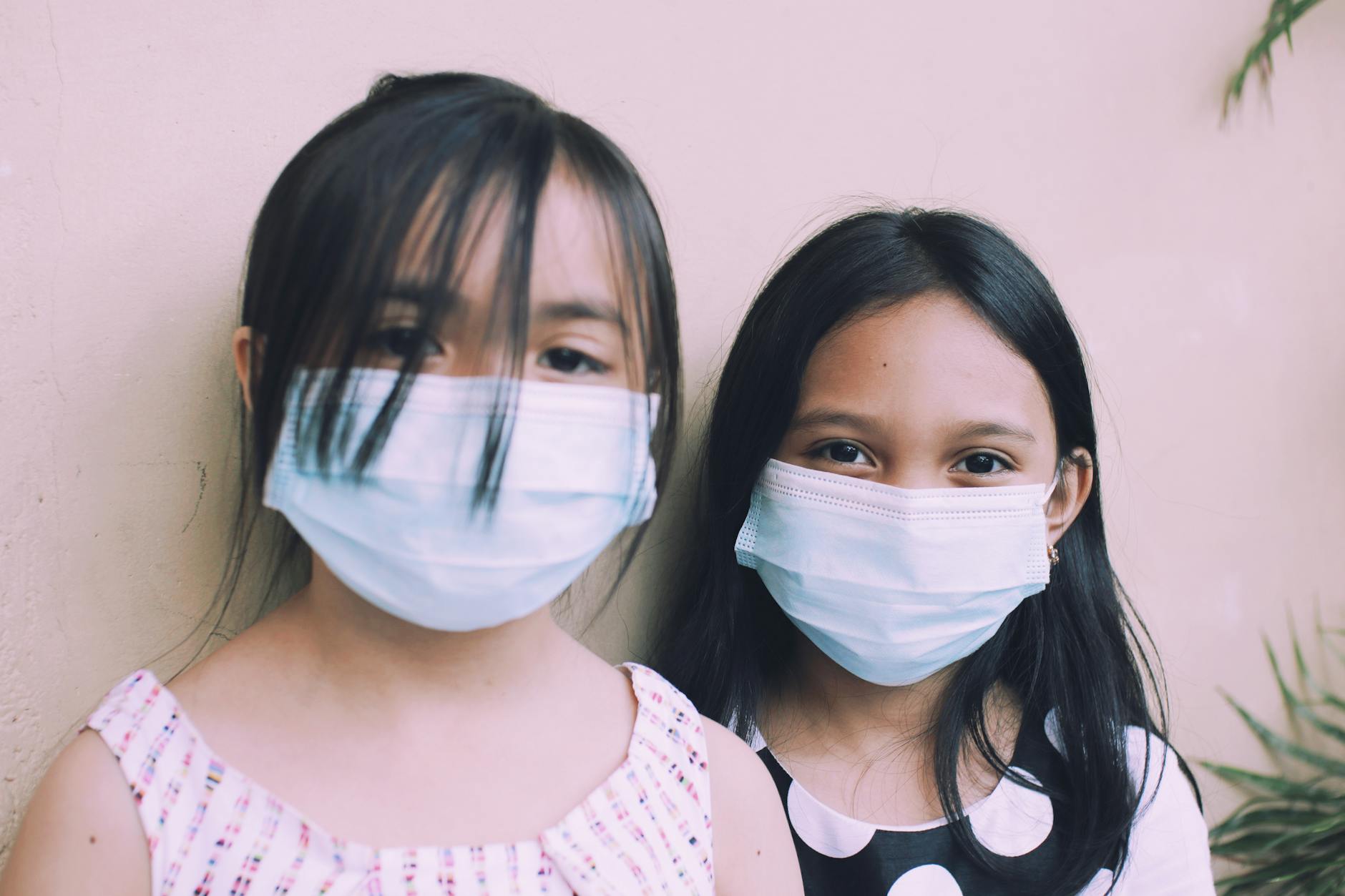
A recent study reveals a critical health crisis near California's shrinking Salton Sea: children living close to the lake are experiencing significantly diminished lung development. Toxic dust, stirred by winds from the exposed lakebed, poses a serious threat to their respiratory health, impacting their futures. This urgent situation highlights the severe environmental consequences of a drying lake, exacerbated by climate change and water management decisions, underscoring the need for immediate action to protect vulnerable communities.
Scientists from the University of Southern California discovered that children aged 10 to 12 living within 6.8 miles of the Salton Sea show slower lung development. This impaired growth is comparable to that seen in children who live very close to busy freeways, indicating a significant environmental health burden. Researchers, including Shohreh Farzan and Fangqi Guo, warn that hindered lung growth in adolescence can increase risks for serious respiratory, heart, and metabolic diseases later in life, making this a long-term concern for these young residents.
The Salton Sea, California’s largest lake, has been shrinking dramatically since the early 2000s due to water redirection. This rapid decline has exposed over 41,000 acres of lakebed. Years of agricultural chemicals and metals draining into the lake have made the dust from this exposed land toxic. Communities nearby, which are often low-income, already face alarmingly high rates of asthma among children, with about 1 in 5 suffering from the condition – nearly triple the national average.
Efforts are underway to combat the dust, such as creating new wetlands and placing straw bales to block windblown particles. However, experts like Farzan believe these actions are not progressing fast enough to adequately protect children’s health. While dust comes from various sources, the study clearly shows a direct link between proximity to the sea and detrimental health impacts. Researchers are keen to understand if the dust from the sea's exposed bed might be uniquely toxic compared to other sources.
The situation could worsen with looming water cutbacks on the Colorado River, which feeds the Salton Sea. The river’s flow has declined significantly due to a decades-long megadrought, intensified by climate change. This environmental challenge mirrors issues seen at other drying lakes globally, such as Utah’s Great Salt Lake and Central Asia’s Aral Sea. Addressing the Salton Sea crisis is not just a local issue but a vital part of a larger global effort to contend with the health impacts of climate-driven environmental changes.