Silent Struggle: What's Hitting Wasp Populations Hard?

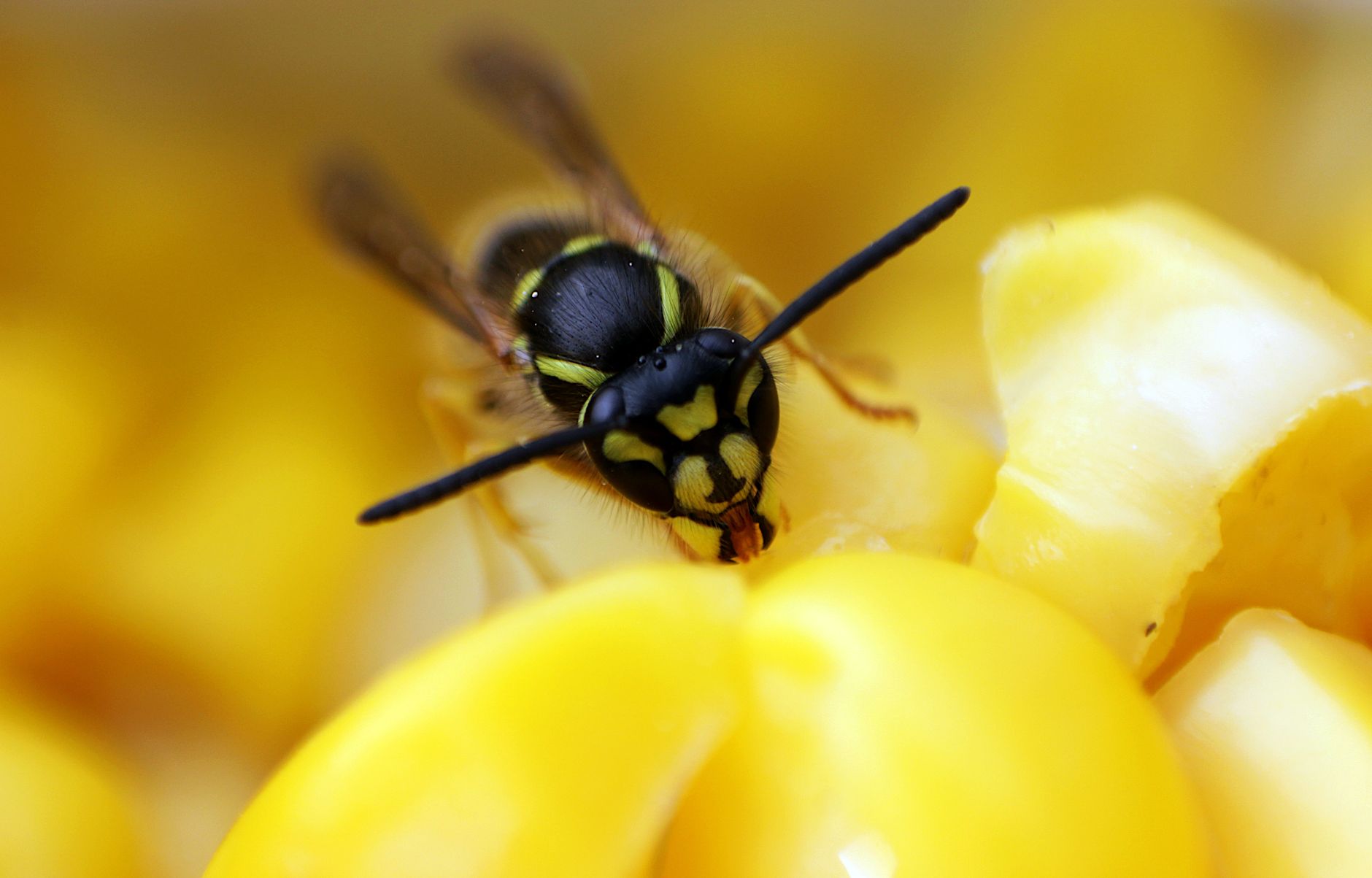
Extreme weather, from sudden heatwaves to sharp cold snaps, may be severely disrupting wasp populations. While wasps are usually resilient, these rapid, unpredictable changes could be overwhelming them, especially vulnerable young colonies. This situation is alarming because wasps play crucial roles as pollinators and natural pest controllers, roles often overlooked in favor of more popular insects. We urgently need more dedicated research to understand this developing threat, which is made worse by non-selective traps meant for invasive species.
The contrasting summers of 2025 and 2026 highlight a worrying trend for wasps. While 2025's steady warmth led to a good year for them, 2026 brought a mix of intense heat spikes and cold snaps. Wasps are quite tough, fanning their nests to cool them and using special waxy coatings to retain water. However, this whiplash effect of extreme weather, rather than a gradual change, might be too much for their young colonies in their fragile early weeks. This instability is a clear sign of climate change impacting even the most adaptable creatures.
Yet, we know surprisingly little about how badly wasps are truly affected. Research shows that media and public attention often unfairly portray wasps negatively, ignoring their critical roles as pollinators and natural pest controllers. Studies like a 2024 survey found that wasps receive far less positive coverage and research funding compared to bees, despite evidence that their pollination skills are comparable. A broader review confirms this bias, noting that research heavily focuses on a few charismatic bee species. What we do know from bee research, such as a trial showing bumblebee colonies struggled and workers abandoned nests at 35°C, suggests wasps, with similar vulnerabilities, are likely facing comparable challenges.
Adding to the climate pressure are non-selective traps used to control invasive Asian hornets. These traps often catch native wasp queens too, at a critical time in spring when the entire population depends on a small number of individuals. This means that efforts to protect one part of the ecosystem might inadvertently harm another, underscoring the need for more targeted solutions as climate challenges intensify.
Why does this matter to us? Wasps are nature’s unpaid pest controllers, feeding their young on flies, midges, and other insects throughout summer. Some entomologists have anecdotally linked quieter wasp years to increased problems with flies. To better understand this potential shift, a public project called the Ham or Jam Picnic Wasp Survey is collecting data on what wasps are foraging for and if people have noticed changes in their numbers. This vital information will help us determine if the unusual weather patterns of recent summers are isolated events or the start of a more volatile, climate-driven future for these essential insects.