Silver's Secret: A New Era Beyond Solar Power?

Silver, long recognized for its role in solar panels, is now facing a dramatic shift in demand. Emerging technologies like Artificial Intelligence, electric vehicles (EVs), and upgrades to power infrastructure are driving a new wave of industrial use. This change highlights silver's critical role in our increasingly digital and electrified world, underscoring its importance for advancing sustainable solutions and modernizing our global energy systems. The metal's unique electrical conductivity makes it indispensable for this technological transformation.
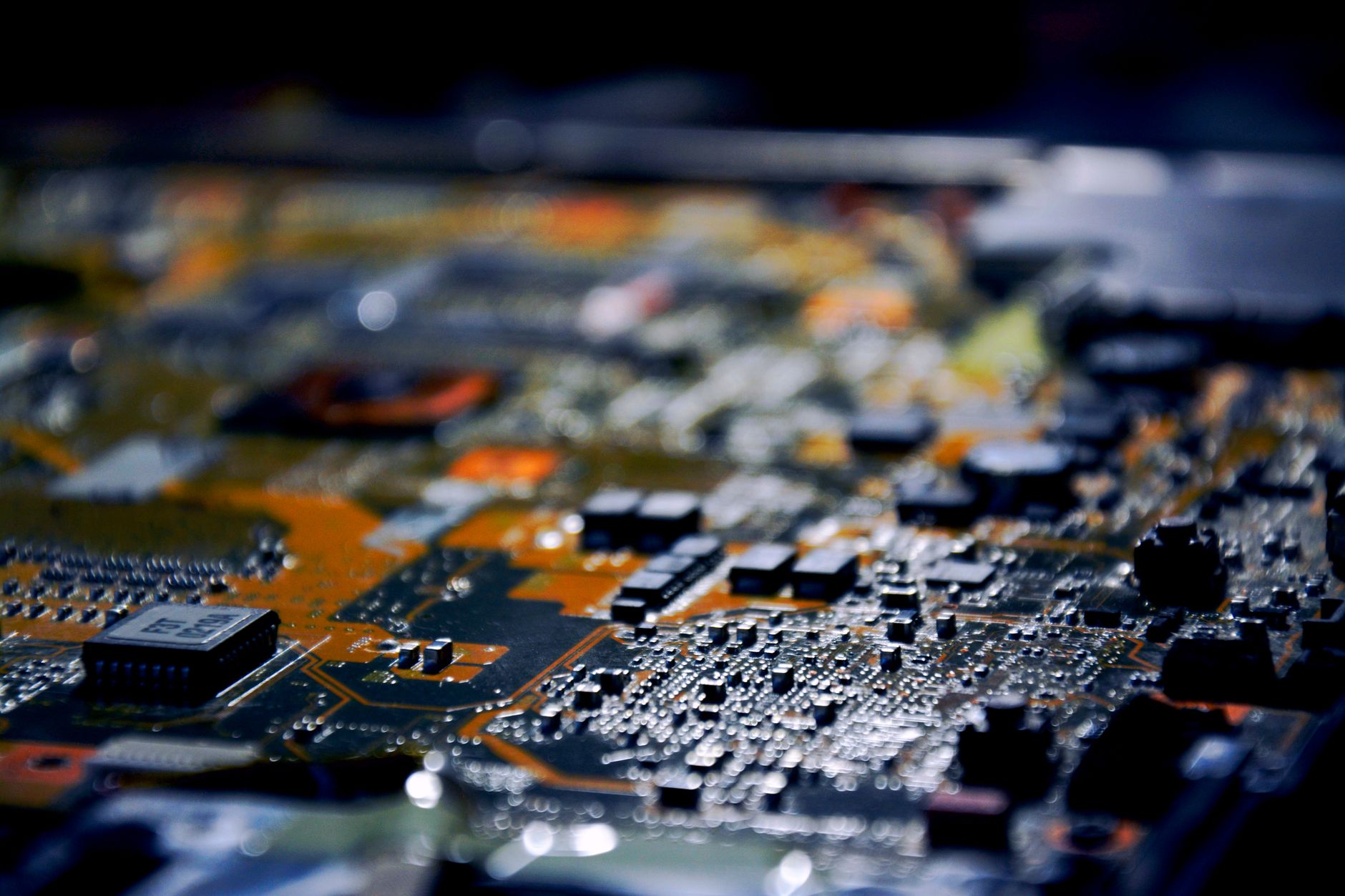
Silver is quickly becoming a foundational metal for modern technology. Its exceptional electrical conductivity makes it essential for components in everything from circuit boards to power electronics. As the world rapidly electrifies and becomes more digitally connected, silver's importance grows, driving its demand in diverse new sectors.
The rise of artificial intelligence (AI) is a prime example. AI requires massive computing power, relying on extensive infrastructure like servers, processors, and data centers. Silver is woven throughout the electrical and electronic equipment in these power-hungry systems. The global IT power capacity has soared, from less than one gigawatt in 2000 to nearly 50 GW in 2025, a trend the Silver Institute expects will continue driving industrial silver consumption through 2030, according to its 2025 tech report Silver_The-Next-Generation-Metal_DECEMBER-Release.pdf.
Electric vehicles (EVs) are another key driver. These clean transportation solutions are packed with more electrical parts than traditional gasoline cars, increasing the need for silver in contacts, power electronics, and battery management systems. A report from Oxford Economics, also cited by the Silver Institute, indicates that battery-electric vehicles use significantly more silver—up to 79% more—than internal combustion vehicles Silver_The-Next-Generation-Metal_DECEMBER-Release.pdf. As more EVs hit the roads, the demand for silver in both the vehicles themselves and the expanding charging infrastructure will continue to climb, showcasing the broad benefits of electrification.
Ultimately, the growth of AI and EVs depends on robust electrical grids. Data centers, EV charging stations, and widespread industrial electrification all require significant power generation and transmission capacity. Silver's superior conductivity makes it a vital material for switches, contacts, and other electrical components in these systems. Investment in modernizing power grids, identified by the Silver Institute as a key structural growth factor, creates a ripple effect, linking silver demand to essential infrastructure for a sustainable future.
While solar energy remains a major application for silver, the market is diversifying. Manufacturers have been working to reduce the amount of silver used per solar cell. This led to a 3% drop in overall industrial silver demand in 2025, mainly due to less demand from photovoltaics, even as AI, automotive, and grid applications showed gains. The Silver Institute projects a similar dip in 2026, yet these new technology sectors are expected to remain areas of strong growth. This shift means silver’s future demand is less dependent on a single market and more tied to the collective expansion of digital infrastructure, electrified transportation, and modernized electricity networks.
This evolving demand creates a challenge for silver supply. Global mine production, which reached 846.6 million ounces in 2025, struggles to keep pace, with the market expecting another deficit in 2026. This highlights the importance of existing mining operations and their ability to expand quickly, like Sierra Madre Gold & Silver's efforts to boost production at its La Guitarra and Del Toro sites. These expansions are crucial for meeting the growing global need for this essential metal, supporting our transition to cleaner technologies and a more sustainable economy.
Silver's journey from a primarily precious metal to a critical industrial and technology input reflects a broader global push towards electrification and digital transformation. As economies increasingly rely on advanced computing and clean energy, ensuring a steady supply of silver will be vital for supporting this progress.