Simple Solar Devices Bring Lifeline When the Grid Fails

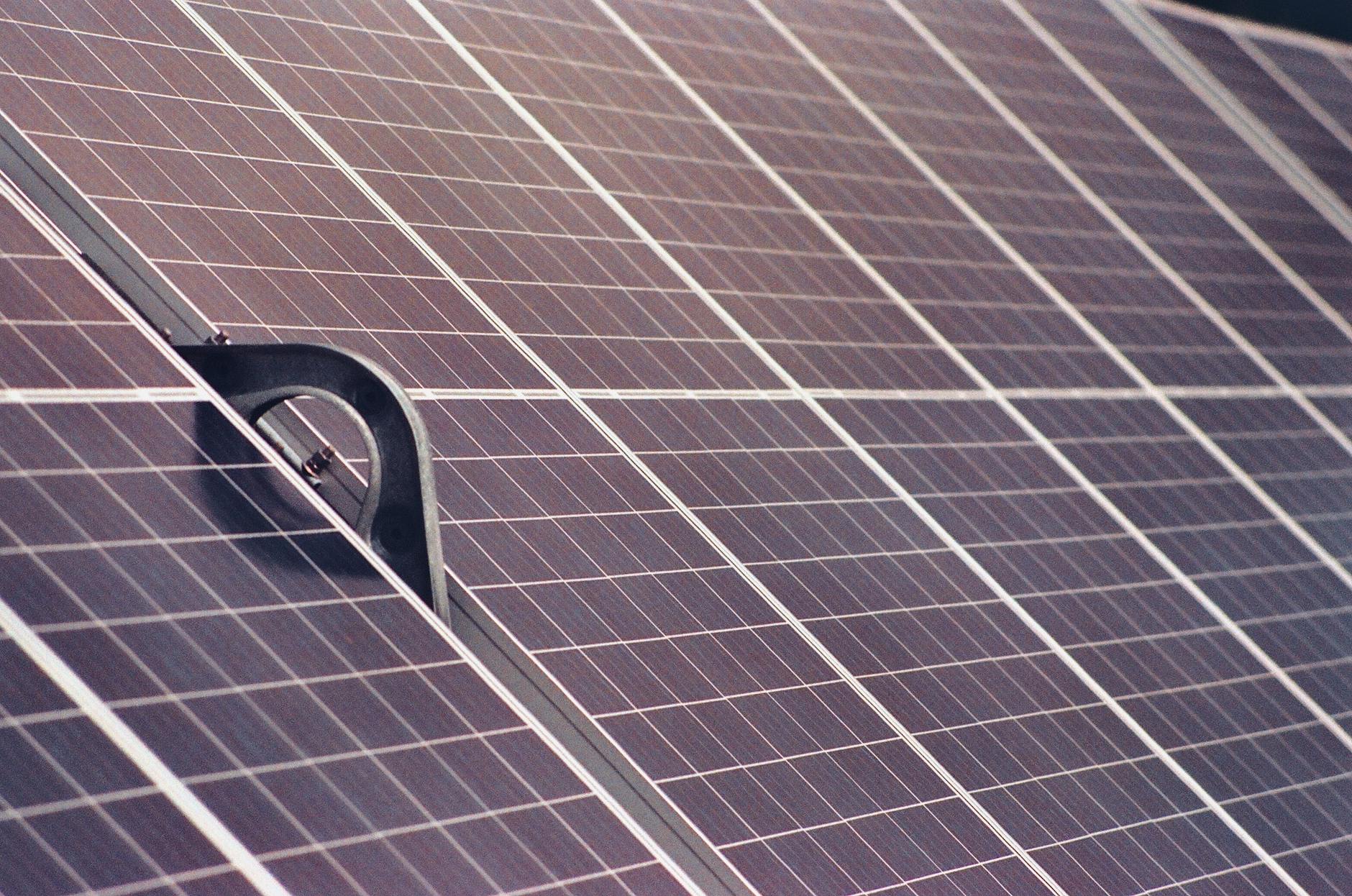
Power outages pose significant dangers, especially for people with disabilities who rely on electricity for crucial medical equipment, refrigeration of medicines, or mobility devices. Many lack emergency backup power due to cost and limited information, leaving them vulnerable during crises. In response, an Oregon-based nonprofit, Upstream Access, is stepping in by providing free, personalized solar-powered devices. This initiative offers a sustainable lifeline, ensuring people can stay safe and connected when extreme weather events disrupt the grid, highlighting the urgent need for resilient, clean energy solutions.
For many, a power outage is an inconvenience, but for people with disabilities, it can quickly become a life-threatening emergency. They often need constant power for essential medical equipment, to keep vital medicines refrigerated, or to charge mobility devices and phones for communication with caregivers. Tragically, a survey by the nonprofit Upstream Access revealed that most people in this vulnerable group don't have the backup power they need, often due to financial constraints or simply not knowing what to buy. As Erin Taylor from Upstream Access puts it, "Access to power is access to life."
Recognizing this critical gap, Upstream Access has taken action. Over the past two years, this Oregon-based organization has distributed more than 300 free solar-powered devices, ranging from lights and backup batteries to small solar panels and phone chargers. Their approach is deeply personal; they assess each individual's specific needs and existing assistive technology before providing a tailored device and comprehensive training. This ensures users feel confident and prepared long before a storm hits and the electricity fails.
This initiative is a powerful example of how sustainable, clean energy solutions like solar power can directly save lives and build community resilience. As extreme weather events become more frequent due to a changing climate, reliable access to power is not just about comfort; it's about survival. Embracing electrification and accessible solar technology ensures that our most vulnerable community members are not left in the dark, underscoring the vital role of environmental action in protecting everyone.