Singapore's Carbon Breakthrough: How One Project Changes Everything

Singapore is making significant strides in global climate action, expanding its carbon market network with two key announcements at COP31. The nation has authorized its first carbon credit project in Rwanda, which will distribute 300,000 ceramic water filters, significantly reducing carbon emissions and improving public health. Additionally, Singapore signed a new carbon trading agreement with Bangladesh, setting the stage for future sustainable development. These initiatives underscore Singapore's commitment to fostering a regional carbon market hub, channeling vital climate finance to developing countries, and accelerating the global fight against climate change.
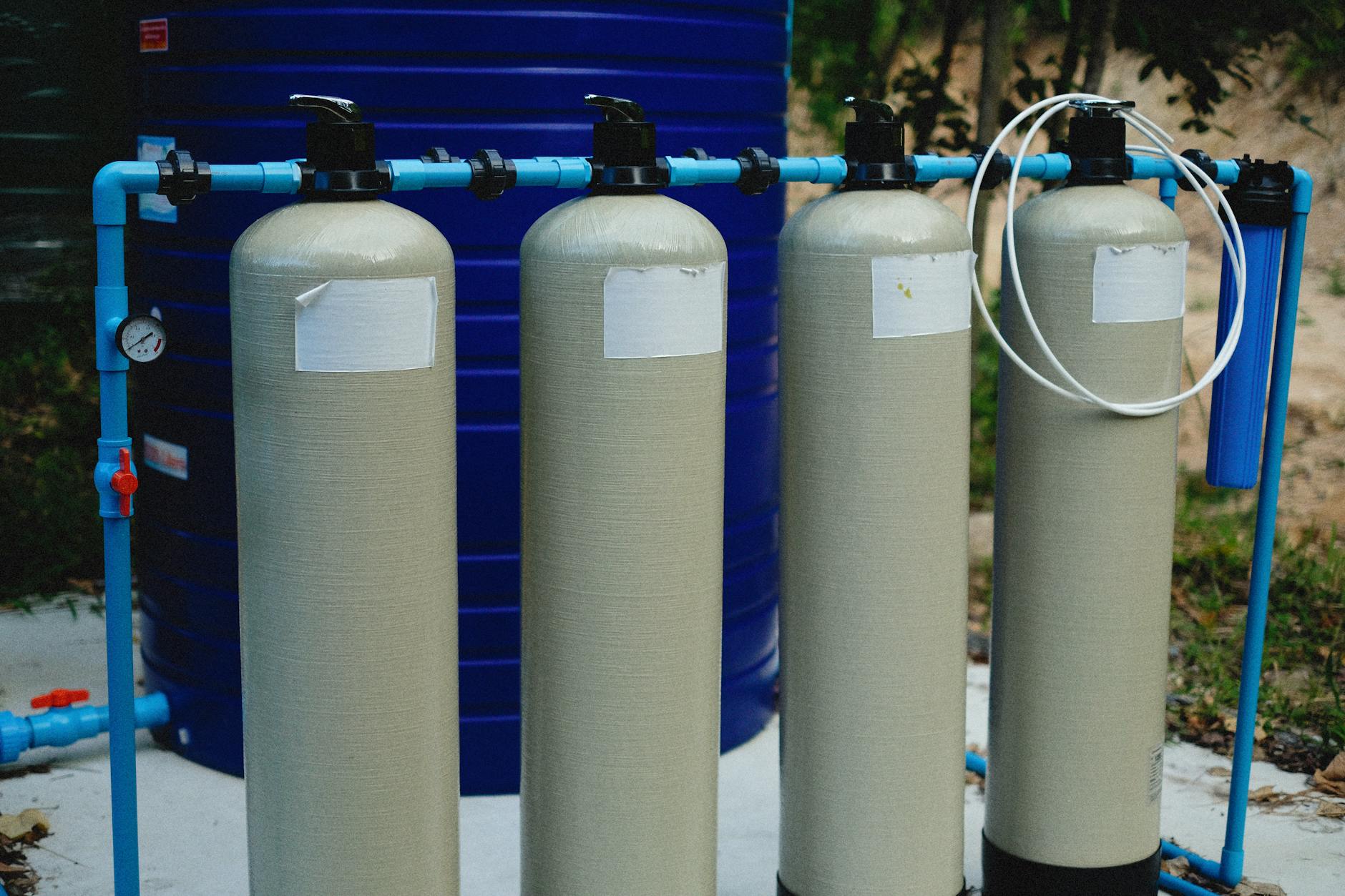
Singapore has authorized its first carbon credit project in Rwanda, a major step forward in its international climate partnerships. This initiative will provide 300,000 ceramic water filters to Rwandan households and early childhood centers, ensuring access to safe drinking water without the need for boiling. By reducing the reliance on firewood and charcoal, the project is expected to prevent about 780,000 tonnes of carbon dioxide equivalent emissions between 2026 and 2030, while also improving indoor air quality and public health. This demonstrates how practical, sustainable solutions can directly combat climate change and offer immediate community benefits.
Further bolstering its network, Singapore also signed a memorandum of understanding with Bangladesh at COP31. This agreement paves the way for future carbon trading, allowing Bangladesh to receive new funding for projects that cut emissions and support sustainable development. In return, Singapore gains access to a broader source of international credits, reinforcing its carbon tax system and encouraging its companies to reduce their environmental footprint. These partnerships are crucial for mobilizing resources where they are most needed and accelerating the transition to a cleaner economy.
Singapore's efforts are part of a larger vision to create a robust regional carbon market. The country is working alongside the World Bank to help developing nations build the necessary systems, such as carbon registries and digital platforms, to participate effectively. This collaboration aims to unlock project funding and provide technical support, ensuring that climate action is not only ambitious but also equitable and accessible to all.
Driving this demand for carbon credits is Singapore's increasing carbon tax, set to rise from S$45 per tonne of CO₂e in 2026 to S$50–S$80 by 2030. Companies can use eligible international carbon credits to offset a portion of their emissions, creating a strong financial incentive for emission reductions and supporting sustainable projects abroad. This economic mechanism directly translates into real-world environmental benefits, emphasizing the urgency and importance of climate action.
Ultimately, these new agreements and partnerships highlight Singapore's role in shaping a high-integrity global carbon market. By funding clean water initiatives, encouraging forest protection, and fostering sustainable solutions, Singapore aims to turn its commitments into measurable climate benefits. This proactive approach is vital for achieving global climate goals and ensuring a resilient future for everyone.