Sinking Farmland's Secret Weapon Against Climate Change [California]

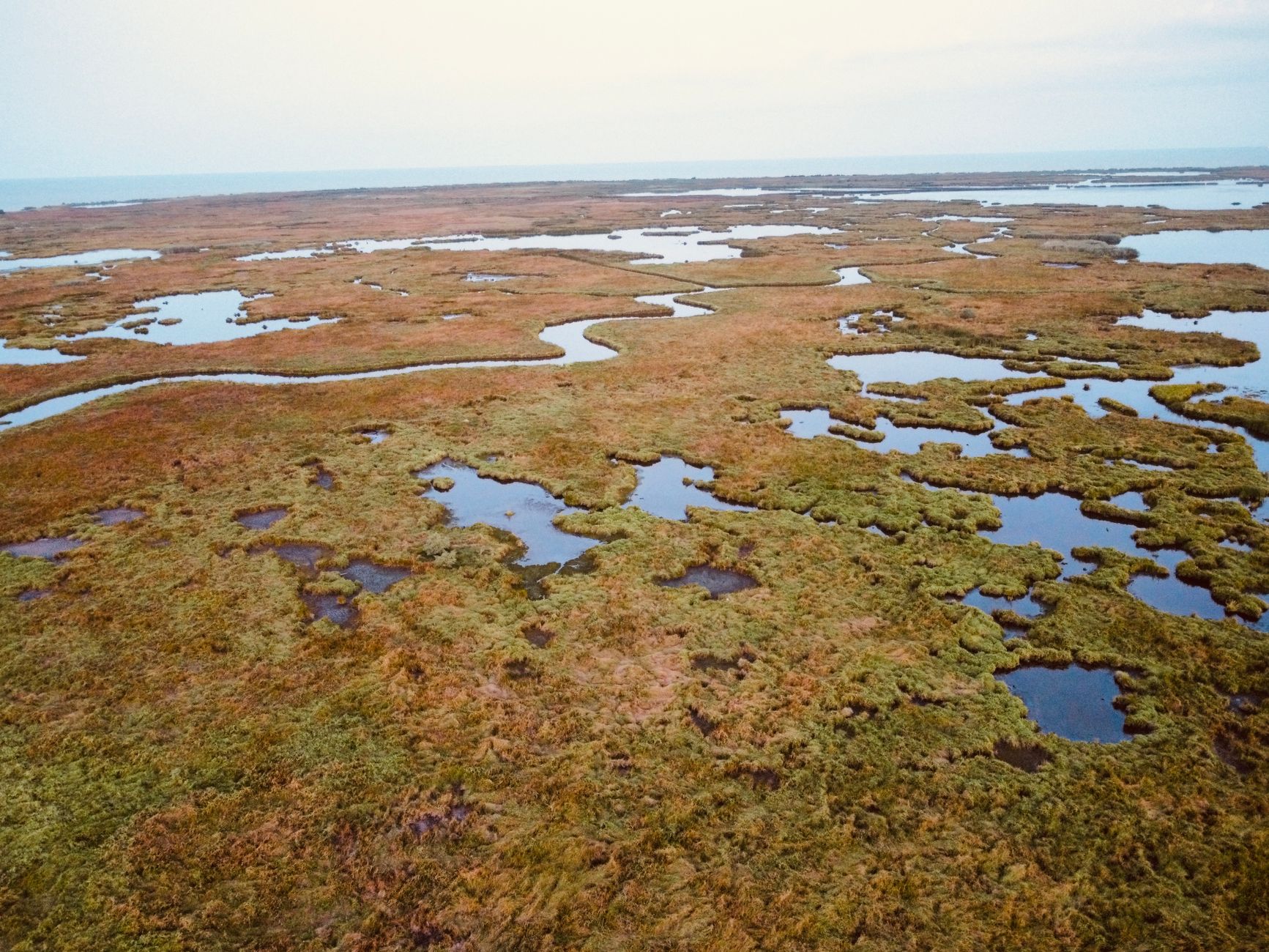
California's Sacramento-San Joaquin River Delta faces a critical environmental challenge as its agricultural lands are rapidly sinking and releasing significant climate-warming carbon dioxide. This issue stems from centuries of draining ancient peat wetlands for farming, which oxidizes the carbon-rich soil. In a vital step toward environmental restoration, The Nature Conservancy is transforming thousands of acres of this farmland back into wetlands and rice paddies. This innovative approach aims to halt land subsidence, capture carbon, and create crucial habitats for local wildlife, underscoring the urgency of climate action.
California's Sacramento-San Joaquin River Delta, once a vast expanse of waterlogged wetlands, underwent a dramatic transformation centuries ago. Early settlers built levees and drained these rich, carbon-dense peat soils to create fertile farmland. However, this agricultural conversion, while productive, inadvertently set the stage for a significant environmental problem: the land began to sink, and the exposed peat soils started releasing vast amounts of climate-warming carbon dioxide into the atmosphere. According to Sydney Chamberlin of The Nature Conservancy, parts of the Delta are now dangerously low, some 10 to 25 feet below sea level, intensifying the urgency for intervention to protect both the environment and local communities, as highlighted by USGS research.
Recognizing the critical need for change, The Nature Conservancy has stepped in. They've acquired land in the Delta, converting thousands of acres into a mix of flood-tolerant rice paddies and restored wetlands. This innovative "rewetting" strategy is a powerful counter to land subsidence and carbon emissions. By bringing water back to these soils, the project naturally slows the release of greenhouse gases and helps rebuild the land. Beyond its climate benefits, this initiative creates vital ecosystems, providing essential food and shelter for a diverse array of wildlife, demonstrating a sustainable path forward where human needs and environmental health can both thrive.