Ski Slopes Shrinking, But Why So Quiet on Climate Action?

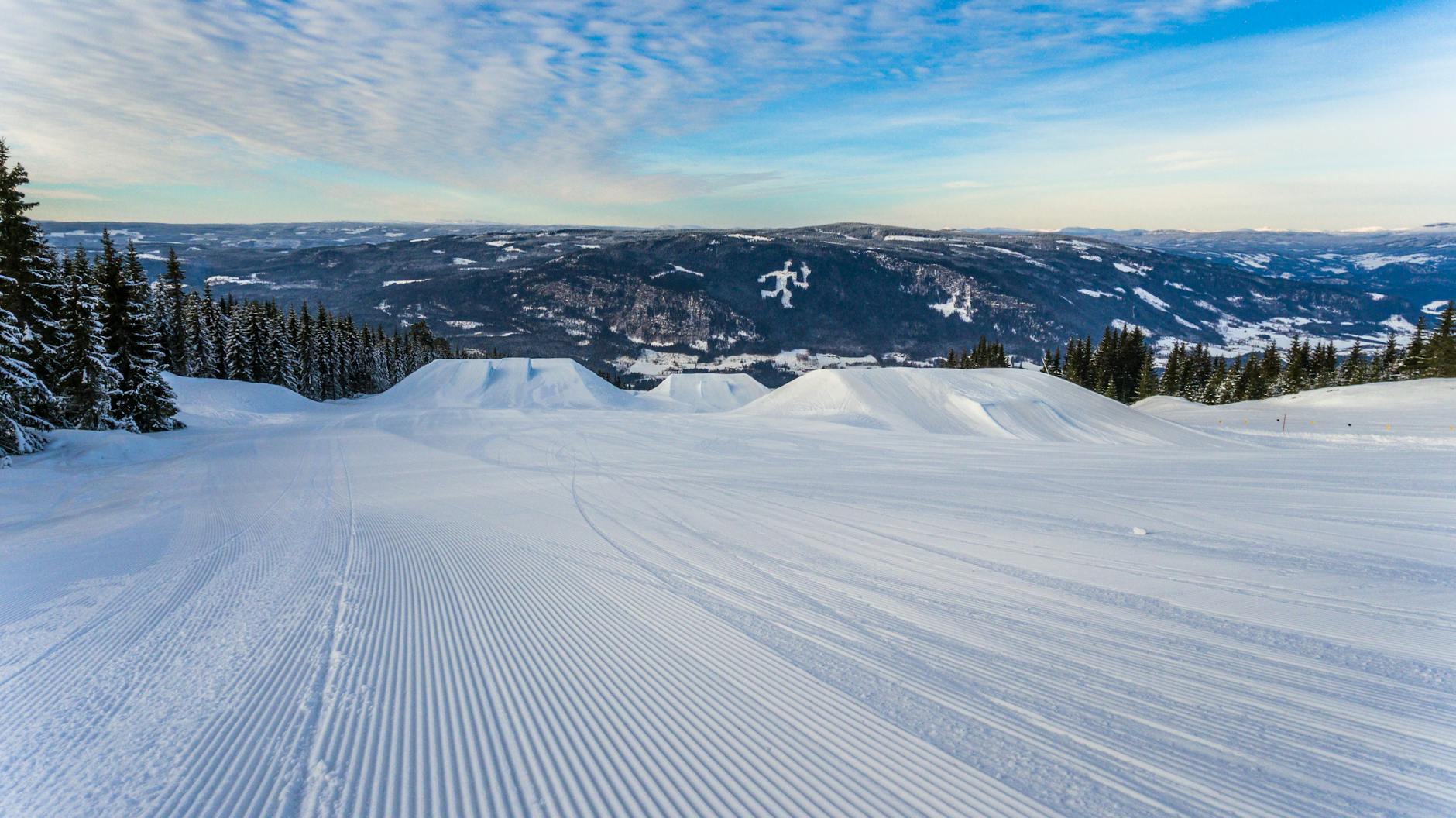
This winter, Western U.S. ski areas are experiencing alarmingly low snowpack, leading to early closures and reduced employee hours. This isn't just a bad year; it's a stark sign of how global warming is making snowy seasons shorter and less predictable. While mountain communities depend heavily on winter sports, the ski industry's collective response to this existential threat has been surprisingly muted, failing to match the urgency of the climate crisis. The economic and environmental implications are severe, demanding more forceful action.
Ski areas across the Western U.S., from Colorado to California, are facing a catastrophic year with snowpack at just 15 to 65% of average. This lack of snow has forced some resorts to close early and cut employee hours, painting a grim picture for an industry that relies entirely on a snowy winter. Experts like Auden Schendler, a long-time sustainability leader in the ski industry, warn that these extreme conditions are becoming more common in a climate-changed world.
This isn't just about fun on the slopes; it’s about the livelihoods of thousands and the health of mountain economies. Between 2000 and 2019, U.S. ski areas lost over 5 billion dollars due to shorter seasons and less snow. As the planet warms, snowstorms increasingly turn into rain, making the future of skiing and snowboarding uncertain.
While the National Ski Areas Association has a "Climate Challenge" program to encourage resorts to track emissions, a recent analysis highlights significant gaps. For example, the vast majority of resorts don't publicly track their emissions, and crucial pollution from guest transportation to and from the mountain isn't counted. Furthermore, many claims of renewable energy use rely on buying "renewable energy certificates," which critics argue may not always lead to truly new clean energy production.
Schendler criticizes many current "sustainability" efforts as merely good business management rather than true solutions to a global problem. He argues that installing efficient lighting, while helpful, doesn't address climate change on the scale needed to save the industry. What’s truly missing, he says, is a powerful, unified public voice from large companies, lobbying for systemic change.
Despite the clear threat, major ski companies and trade groups have been reluctant to speak publicly about climate advocacy. Yet, the outdoor recreation economy is a massive force, generating 1.3 trillion dollars in output in 2024. This collective economic power could be a strong voice for climate policy, but it requires more aggressive action and risk-taking from industry leaders.
The good news is that public opinion is on their side. Most Americans, 68%, believe corporations should do more about climate change, and 63% are worried about it. It's becoming less risky to speak out and more risky to stay silent.
For individuals passionate about the outdoors, the most impactful action isn't just carpooling. It's about joining advocacy groups like Protect Our Winters or Climate Voice, contacting your favorite resorts to demand more climate policy action, engaging with local and state policymakers, and supporting efforts to protect democracy. These collective efforts create the pressure needed for systemic change, which is essential to secure a snowy future.